How Switching To Plant-Based Home Essentials Supports A Circular Economy
The way we use products at home affects the planet deeply. Most household items follow a “use and throw” pattern. This creates waste and pollution. Switching to plant based home essentials supports a smarter system called the circular economy.
In simple words, a circular system reduces waste and keeps materials in use longer. That is the foundation of true sustainable living.
What Is A Circular Economy?
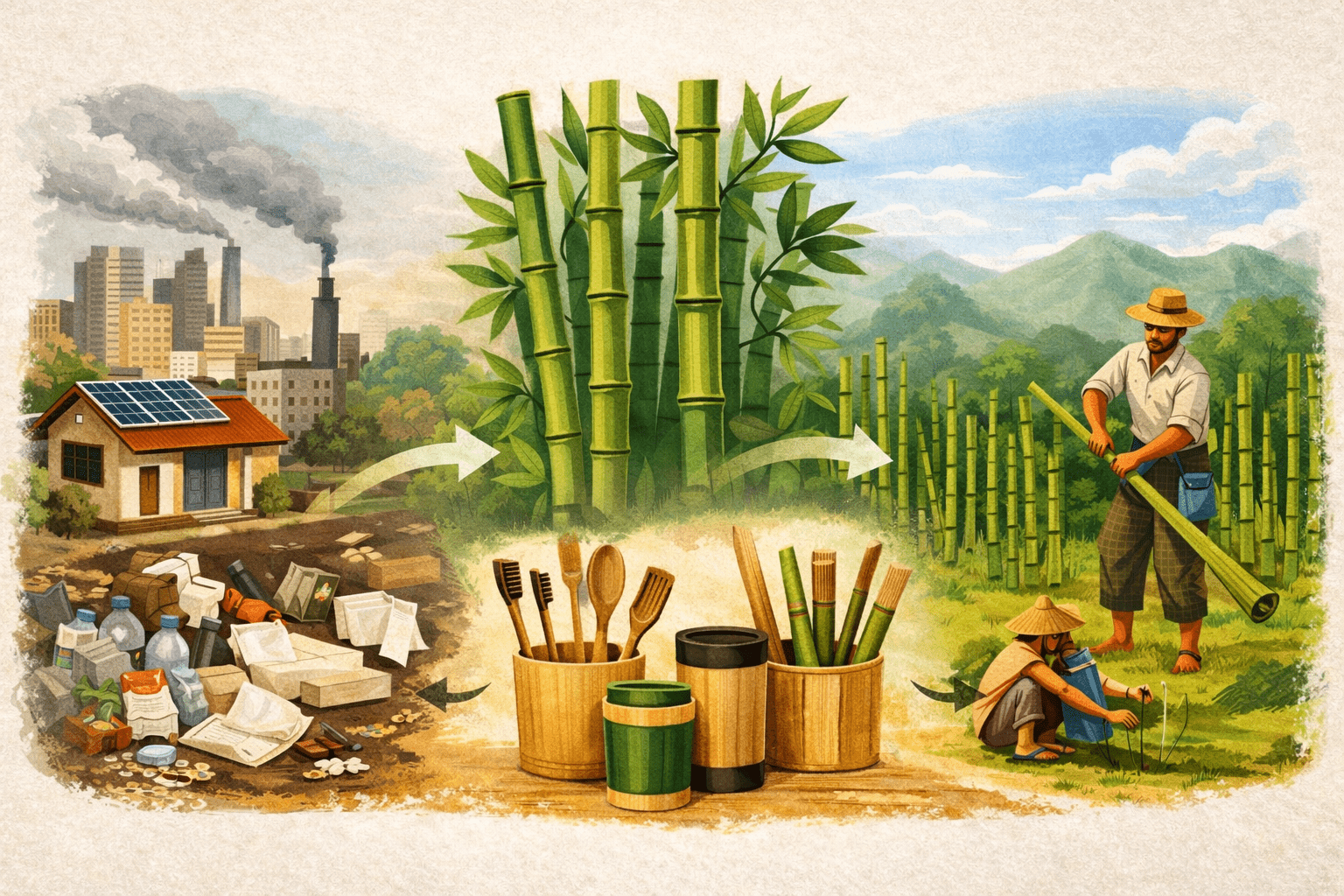
A circular economy is different from the traditional “take, make, dispose” model. Instead of throwing products away, materials are reused, recycled, or returned to nature safely.
It focuses on:
Reducing waste
Reusing materials
Recycling resources
Designing long-lasting products
Plant-based choices make this system possible.
The Problem With Linear Consumption
Most homes still follow a linear system. We buy products, use them once, and throw them away. Many are plastic-based and non-biodegradable.
This leads to:
Growing landfill waste
Rising carbon emissions
Resource depletion
Increased pollution
Switching to plant based products breaks this cycle.
How Plant-Based Products Fit Into A Circular Economy
Plant materials come from renewable sources. When managed responsibly, they grow back quickly. After use, many can decompose naturally.
This means:
Less dependence on fossil fuels
Lower carbon footprint
Natural biodegradation
Reduced long-term waste
That is how sustainable products close the loop.
Benefits Of Plant-Based Home Essentials
Using plant based home essentials offers both environmental and health advantages. They are designed for safer daily use.
Key benefits include:
Reduced plastic waste
Lower chemical exposure
Renewable raw materials
Support for responsible farming
These advantages strengthen sustainable living at home.
Examples Of Circular Plant-Based Swaps
You do not need to change everything at once. Start with everyday essentials.
Simple swaps include:
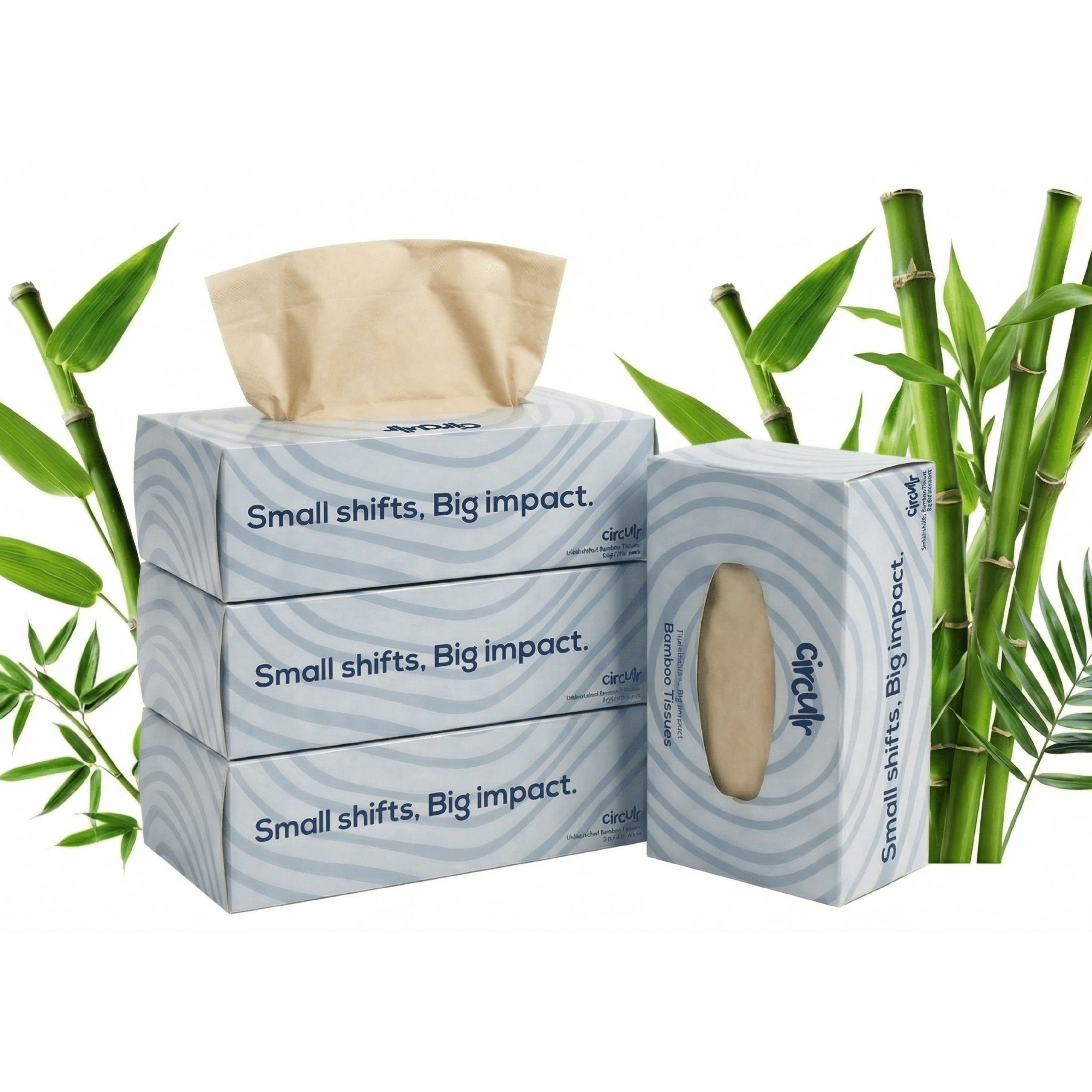
Bamboo kitchen towels instead of paper rolls
Compostable garbage bags instead of plastic ones
Natural fiber cleaning cloths
Refillable plant-based cleaners
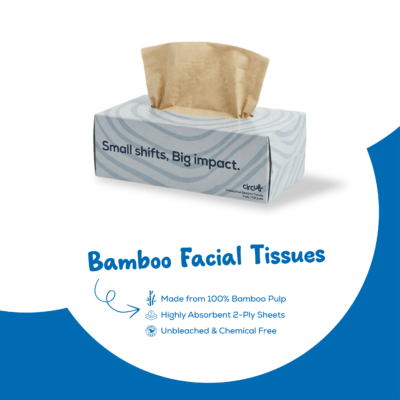
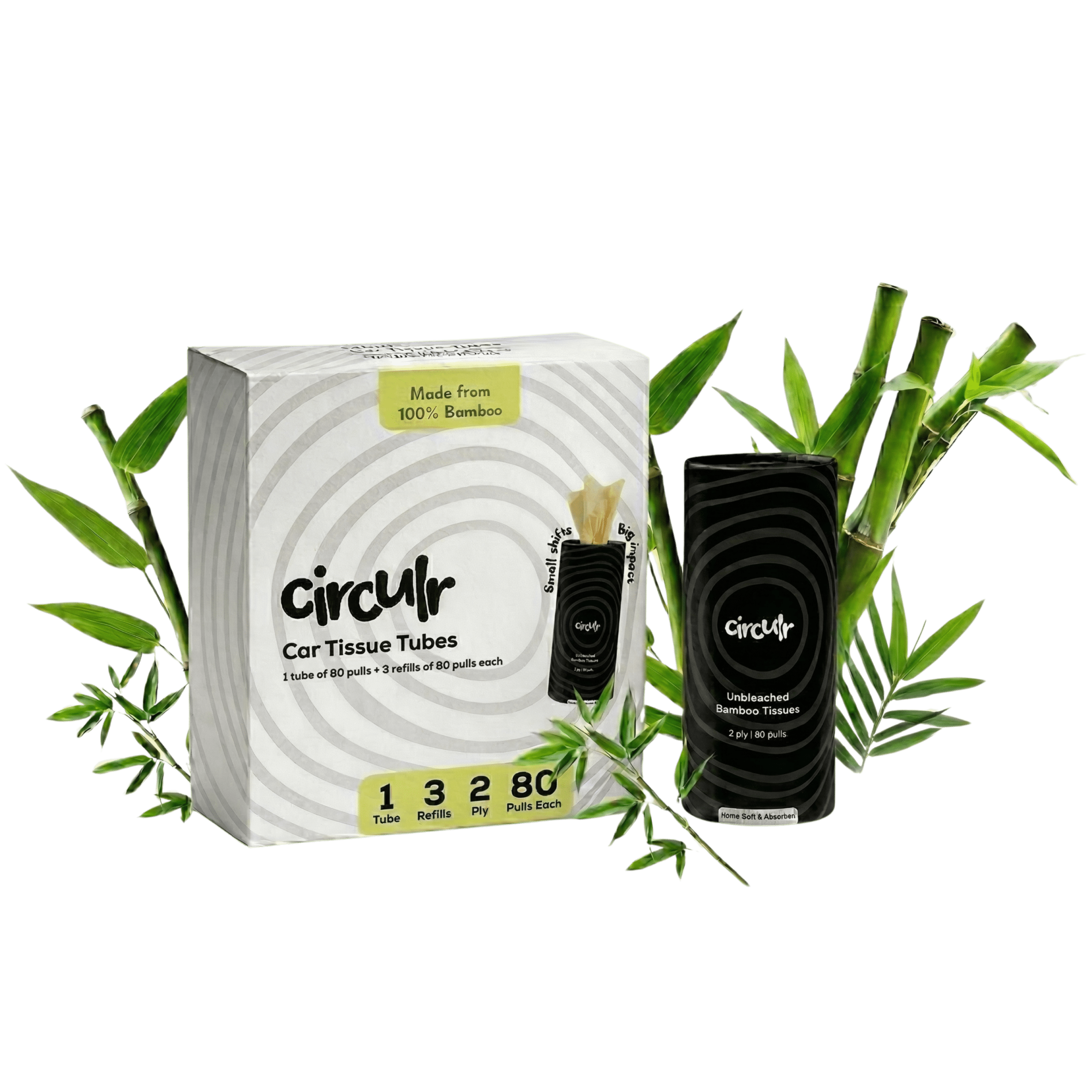
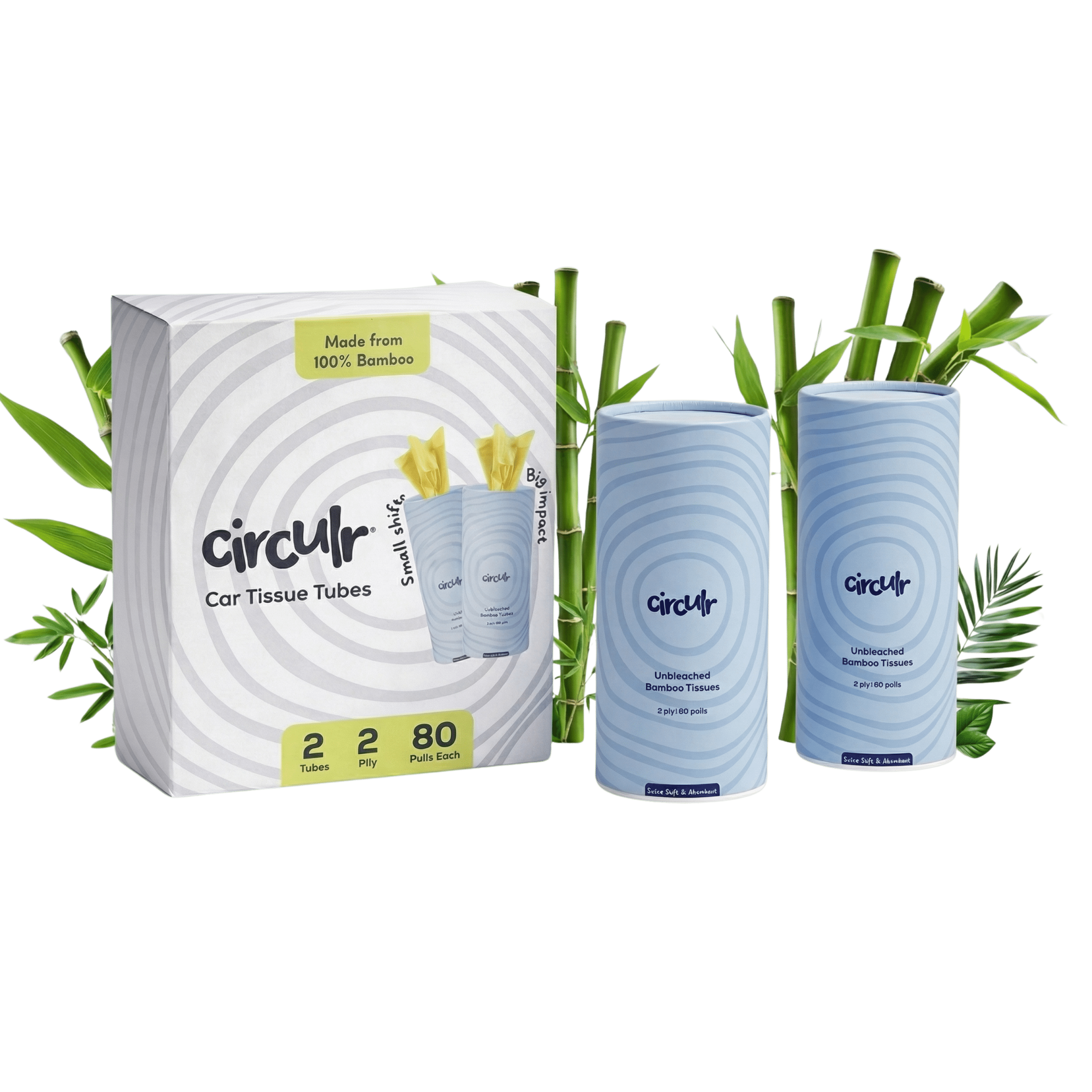
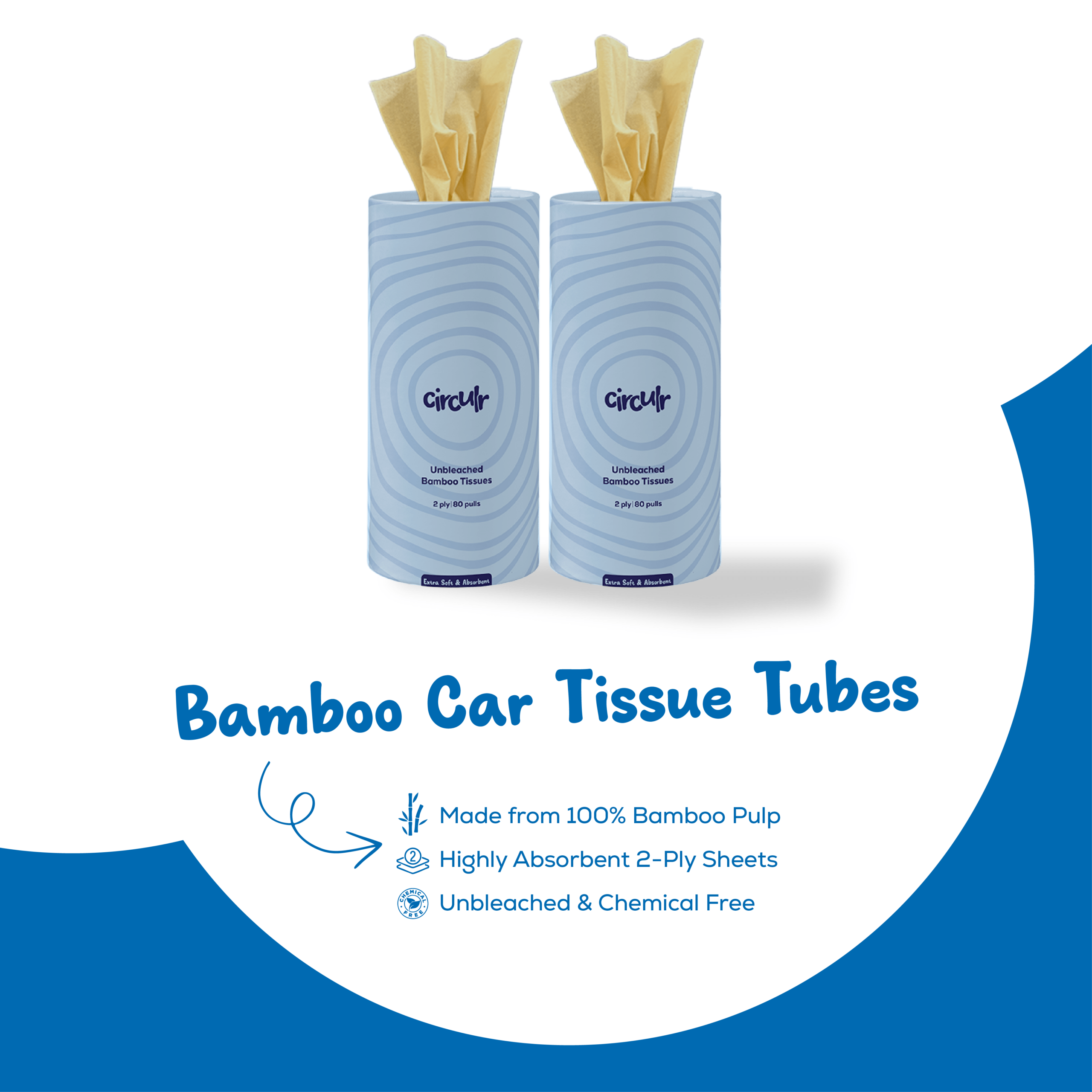
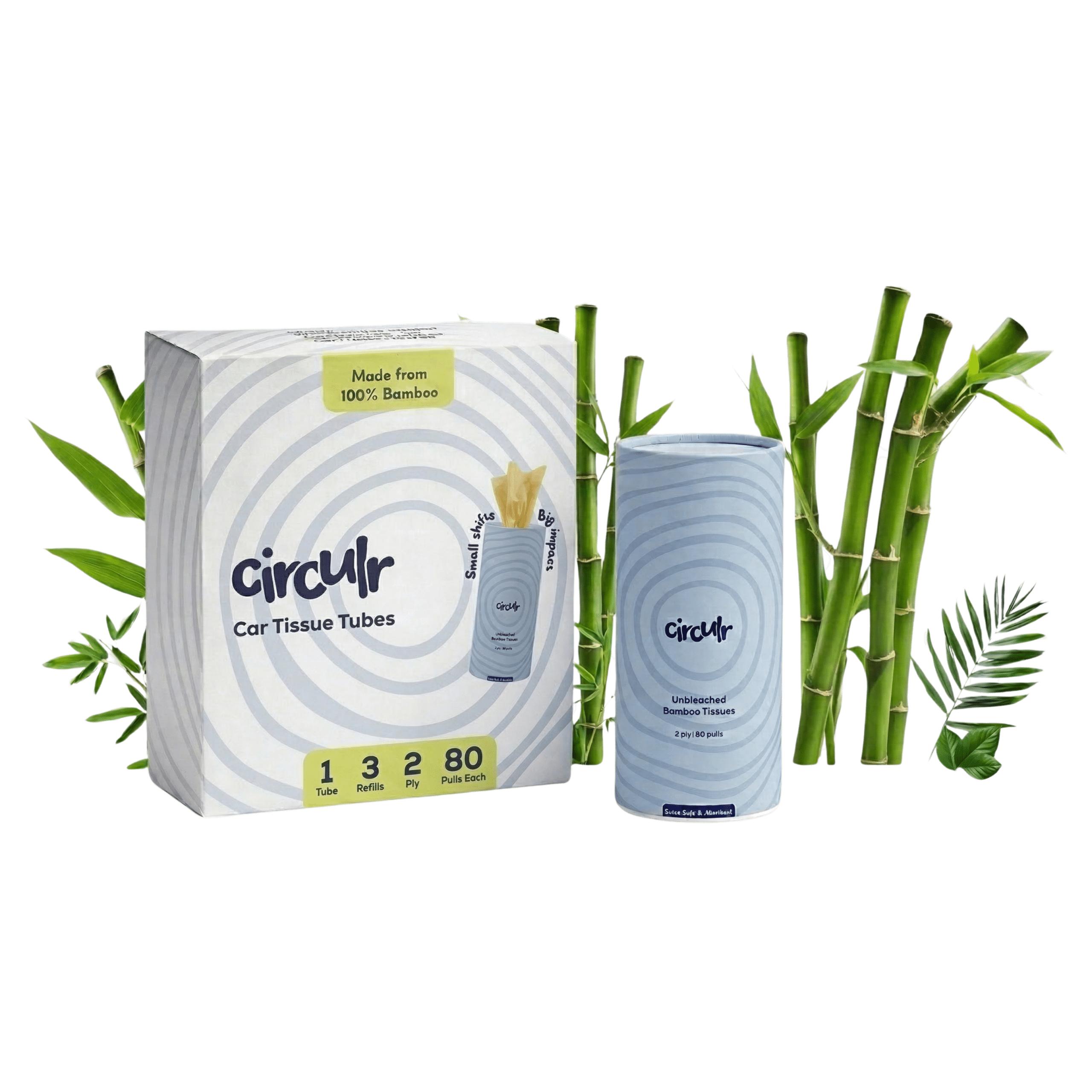
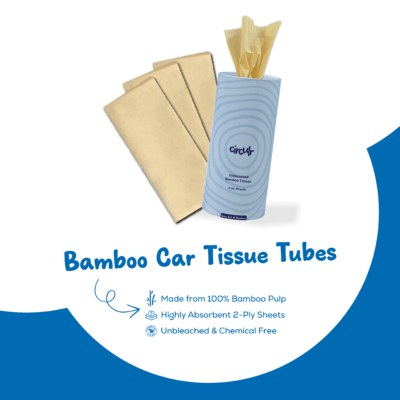
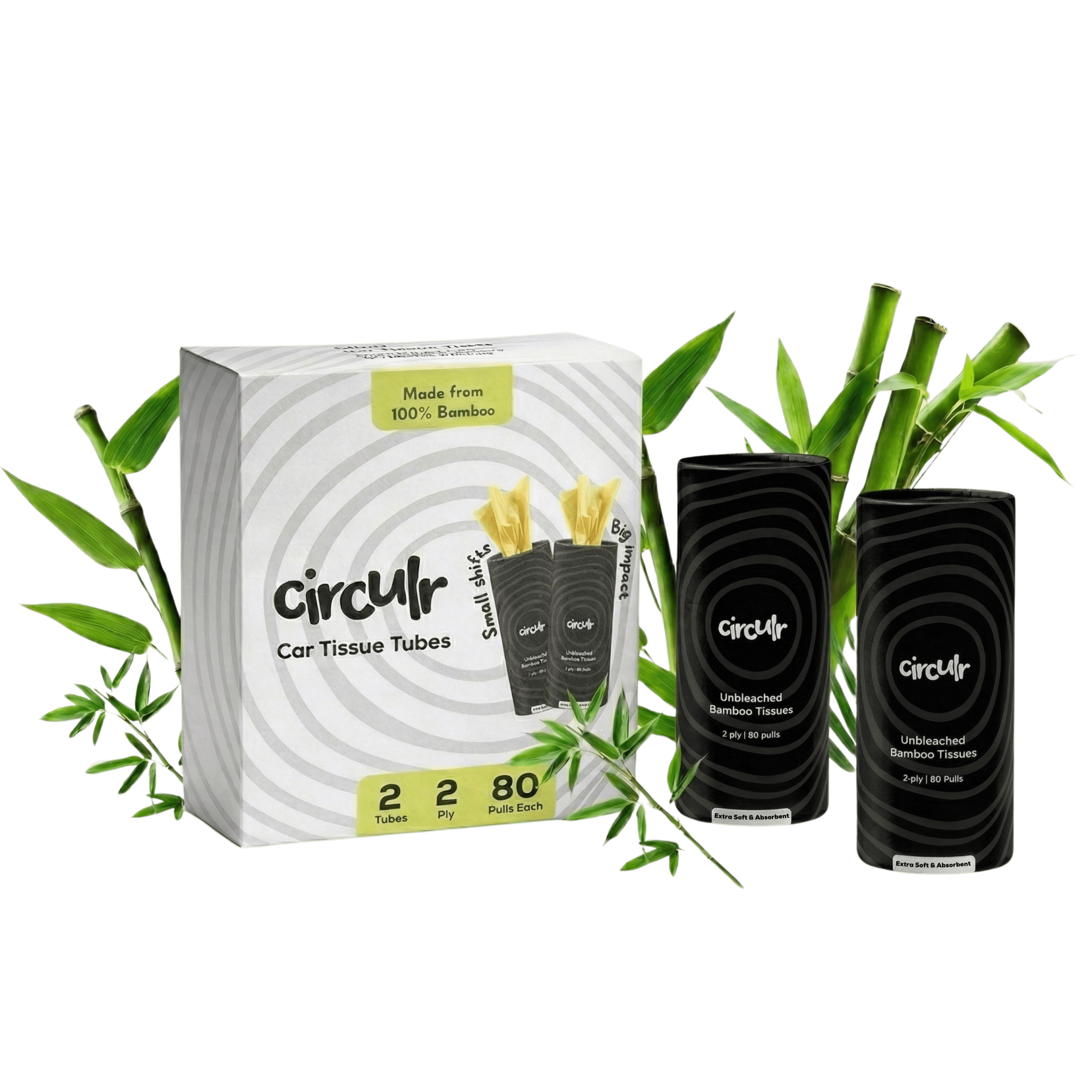
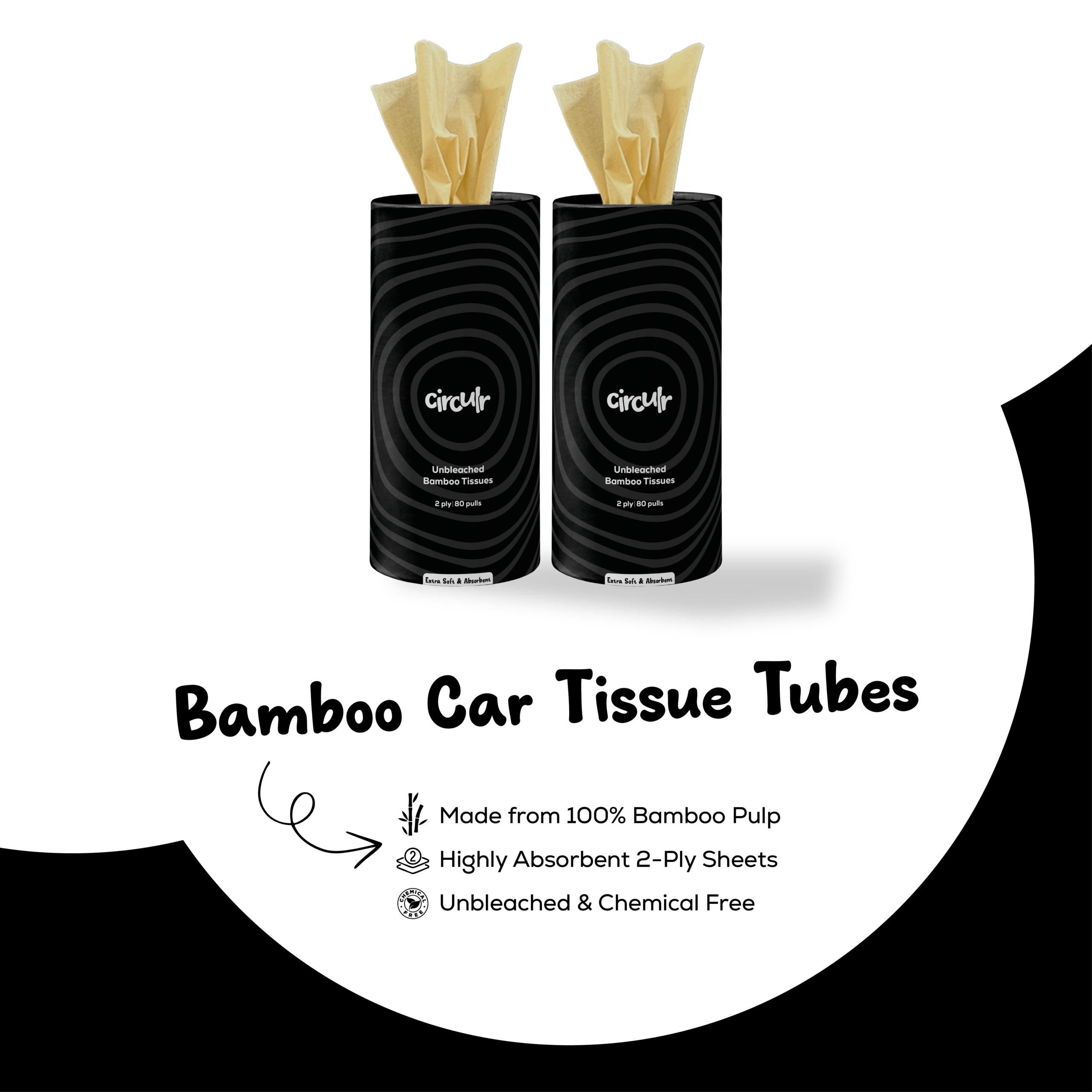
Brands like Circulr offer practical eco friendly products that support circular use.
Lower Carbon Emissions In Production
Plant-based materials often require less energy to produce compared to plastic. They also absorb carbon during growth.
Environmental impact highlights:
Lower manufacturing emissions
Reduced fossil fuel usage
Carbon absorption during plant growth
Easier waste management
These factors support the goals of a circular economy.
Designing Products For Reuse And Composting
Circular systems focus on durability and safe disposal. Many sustainable products are reusable or compostable.
Circular-friendly product traits:
Long lifespan
Easy repair or refill
Biodegradable materials
Minimal packaging
This reduces waste at every stage.
Economic Benefits Of Circular Choices
A circular economy is not only environmental. It also creates economic value. Plant-based industries support rural farming and green innovation.
Positive impacts include:
New job opportunities
Lower waste management costs
Stronger local supply chains
Increased consumer awareness
Responsible choices strengthen communities.
Building A Sustainable Lifestyle Through Daily Habits
Circular thinking begins with daily habits. Every purchase sends a signal to manufacturers.
Ask yourself:
Is this reusable or compostable?
Is it made from renewable materials?
Will it reduce long-term waste?
Can I refill instead of replace?
These questions build a mindful sustainable living routine.
Close The Loop At Home
Switching to plant based home essentials is more than a trend. It supports the core idea of a circular economy by reducing waste and keeping resources in use.
Choosing plant based products and other eco friendly products helps build long-term sustainable living habits. Start small, replace disposable items, and take one step closer to a circular future today.
Double the essentials. Zero extra cost.
Stock up on everyday sustainable swaps while the offer lasts. The more you buy, the more you get free.