How to Dump Plastic Bags Without Dumping on the Planet

Bamboo vs Cotton: Which Is Truly More Sustainable for Daily Essentials?
Choosing the right material matters more than we think. Towels, tissues, and cloths touch our skin daily. The debate around bamboo vs cotton is growing because people want safer and greener options. Both feel natural, but their impact on the planet is very different.
Understanding bamboo vs cotton sustainability helps you make better daily choices. Let’s break it down in a simple and honest way.
How Bamboo And Cotton Grow
The sustainability story starts at the farm. Bamboo and cotton grow very differently. These differences affect water use, chemicals, and land health.
Bamboo growth facts:
- Grows very fast
- Needs very little water
- Grows without pesticides
- Regrows after harvesting
Cotton growth facts:
- Needs large amounts of water
- Often uses pesticides
- Requires yearly replanting
- Damages soil over time
This gives bamboo an early advantage in bamboo cotton comparison.
Water Usage: A Major Difference
Water scarcity is a serious issue today. Cotton farming consumes a huge amount of freshwater. Bamboo, on the other hand, survives mostly on rainwater.
Water comparison highlights:
- Cotton needs up to 20,000 liters per kilogram
- Bamboo needs very little irrigation
- Cotton farming stresses water resources
- Bamboo supports sustainable living
This makes bamboo a smarter choice for daily essentials.
Chemical Use And Skin Safety
Cotton is often treated with pesticides and bleaches. These chemicals can remain in fabrics. Bamboo usually requires fewer chemicals during farming.
When comparing bamboo vs cotton fabric:
- Bamboo feels gentler on sensitive skin
- Cotton may contain chemical residues
- Bamboo products are often unbleached
- Fewer irritations with bamboo-based items
This matters for children and sensitive skin users.

Durability And Daily Performance
Daily essentials must last longer. Durable products reduce waste and replacement frequency. Bamboo fibers are naturally strong and flexible.
Performance comparison:
- Bamboo fabric lasts longer with proper care
- Cotton wears out faster over time
- Bamboo retains softness after washes
- Cotton may thin and tear earlier
This answers bamboo vs cotton which is better for long-term use.
Carbon Footprint And Climate Impact
Climate impact is a key part of bamboo vs cotton sustainability. Bamboo absorbs more carbon dioxide and releases more oxygen than many plants.
Environmental impact comparison:
- Bamboo absorbs more CO₂
- Cotton farming emits more greenhouse gases
- Bamboo processing uses less energy
- Cotton production increases carbon footprint
Lower emissions support a cleaner future.
Waste And End-Of-Life Impact
What happens after use also matters. Bamboo breaks down naturally faster than cotton, especially treated cotton.
End-of-life comparison:
- Bamboo biodegrades quickly
- Cotton may take longer if treated
- Bamboo reduces landfill waste
- Cotton waste adds to pollution
This makes bamboo better for eco-conscious homes.
Comfort And Feel In Daily Use
Comfort matters in everyday products. Many people now prefer bamboo for softness and breathability.
User experience comparison:
- Bamboo feels smoother on skin
- Cotton can feel rough after washes
- Bamboo absorbs moisture better
- Cotton may hold odors longer
This is why bamboo fabric vs cotton is trending.

Cost And Value Over Time
Cotton products often appear cheaper. However, durability and replacement costs change the real value.
Value comparison:
- Bamboo lasts longer
- Cotton needs frequent replacement
- Bamboo reduces long-term spending
- Cotton costs more over time
Long-lasting products support smarter consumption.
Best Uses For Bamboo And Cotton
Both materials have uses. The key is choosing the right one for daily essentials.
Bamboo works best for:
- Kitchen towels
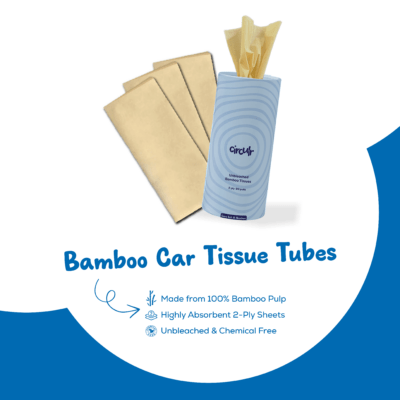
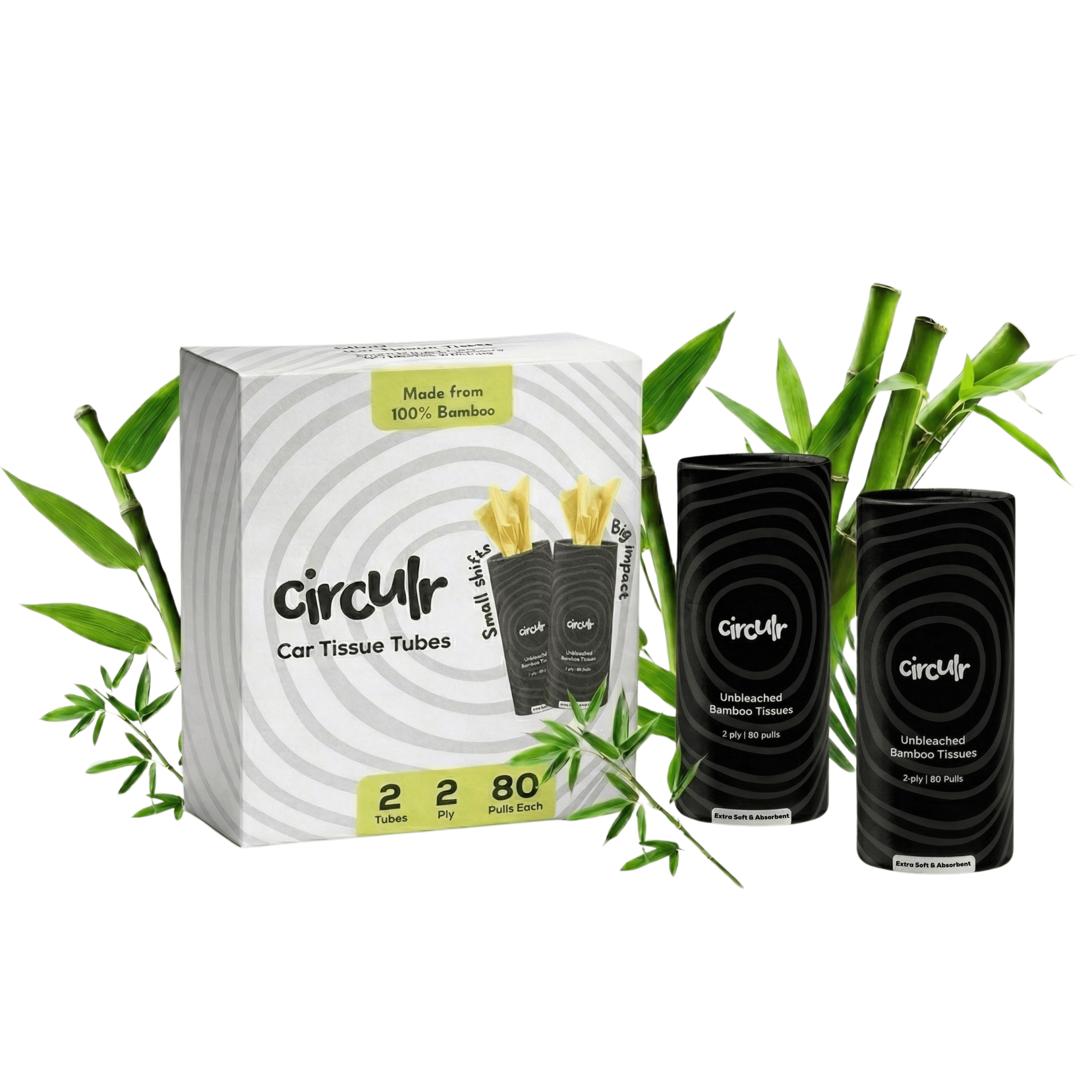
- Tissues and napkins
- Cleaning cloths
- Personal care essentials
Cotton works better for:
- Clothing basics
- Bedsheets
- Traditional textiles
Smart choice matters in bamboo cotton comparison.
Making The Sustainable Switch At Home
You do not need to replace everything at once. Start with items you use daily. These small swaps reduce waste quickly.
Easy bamboo swaps include:
- Bamboo kitchen towels
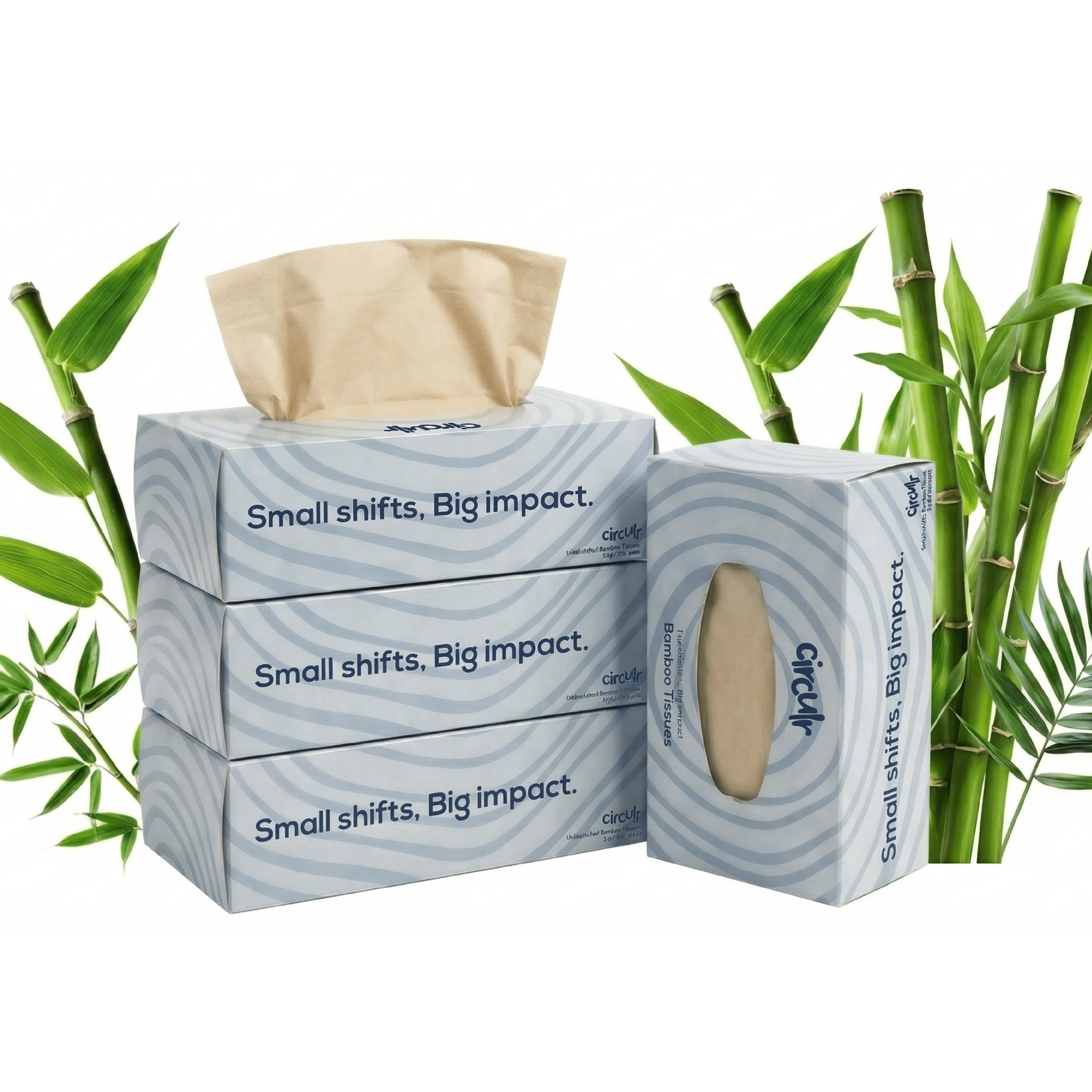
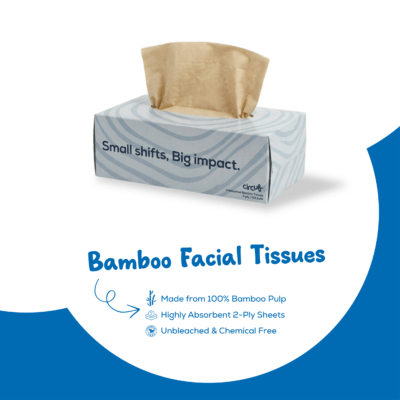
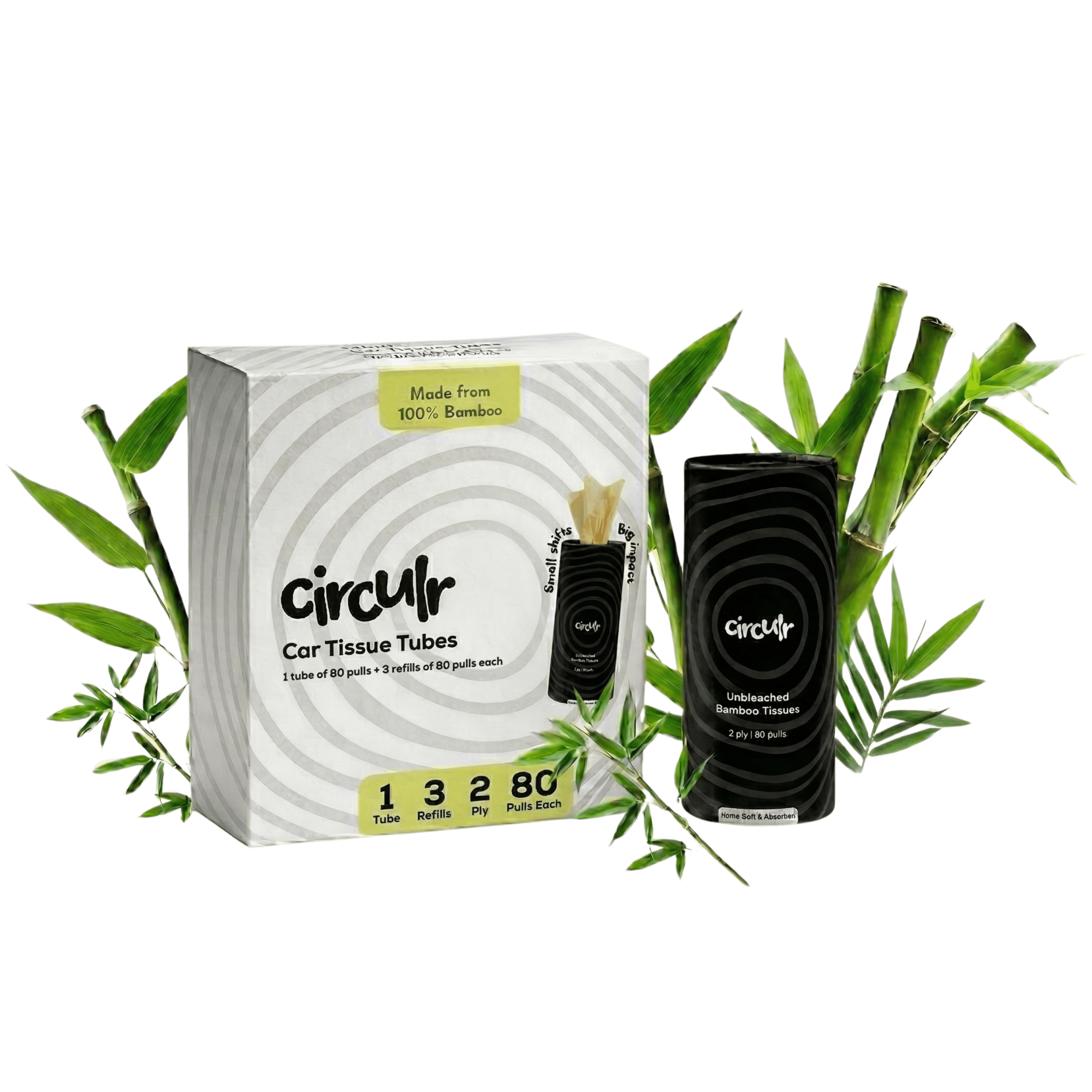
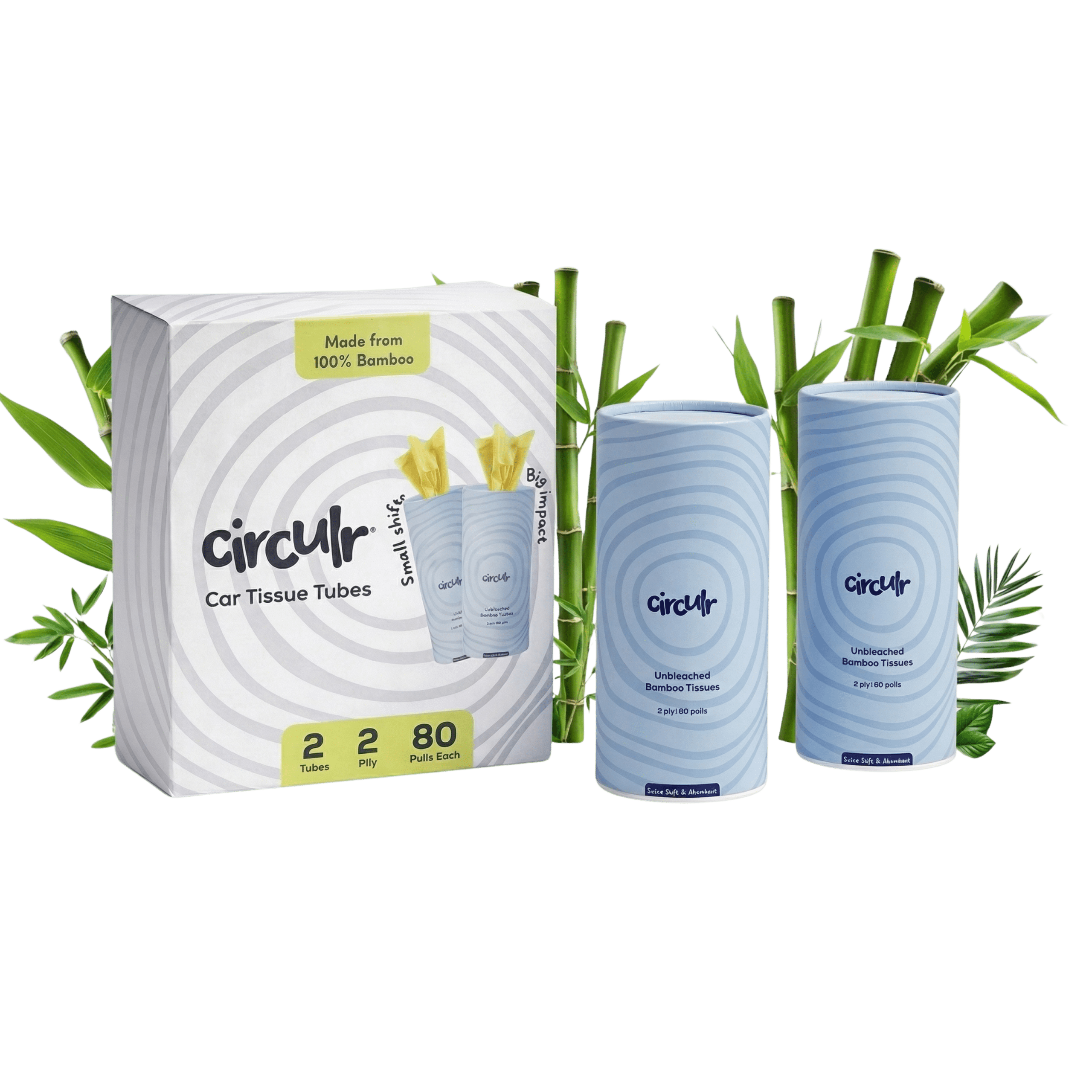
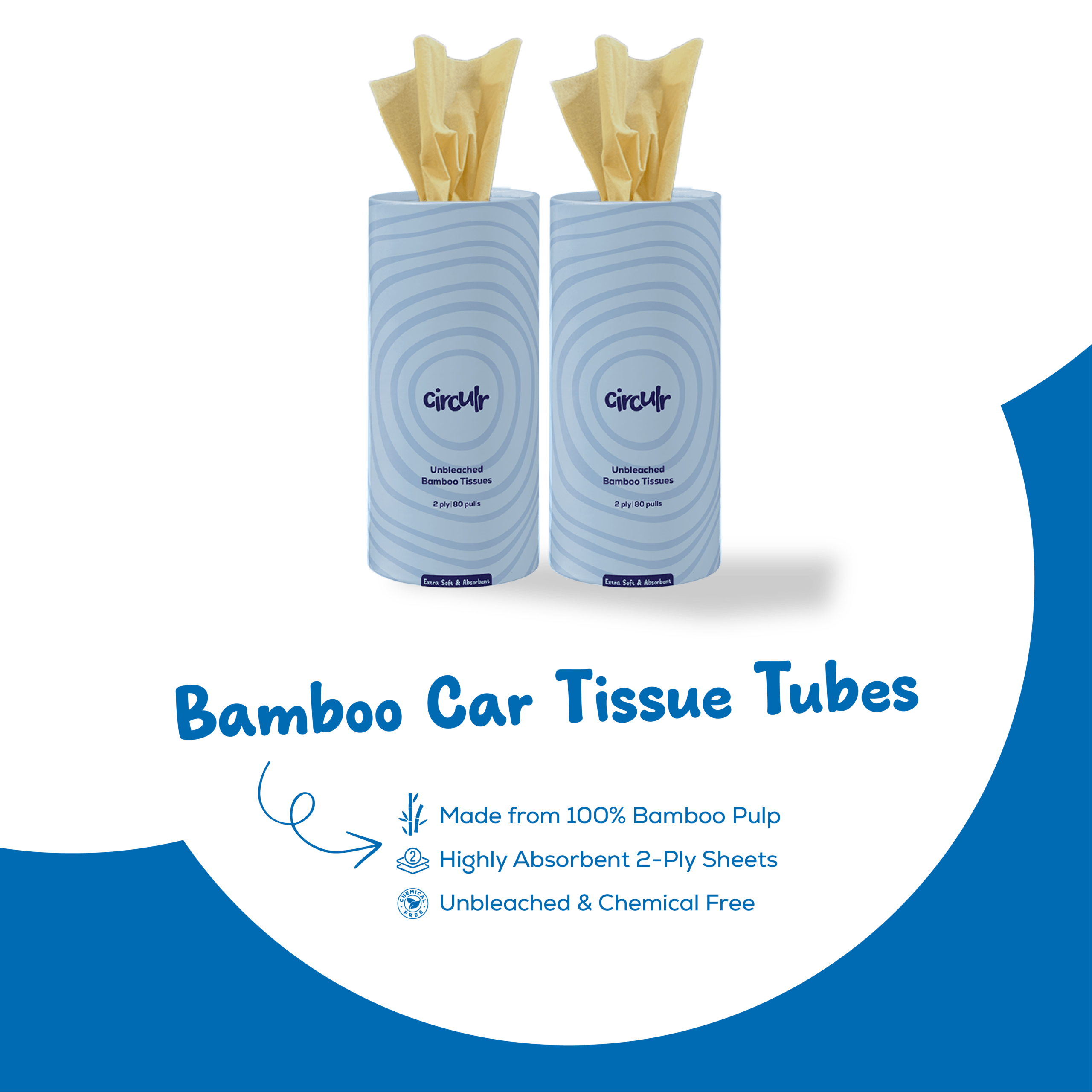
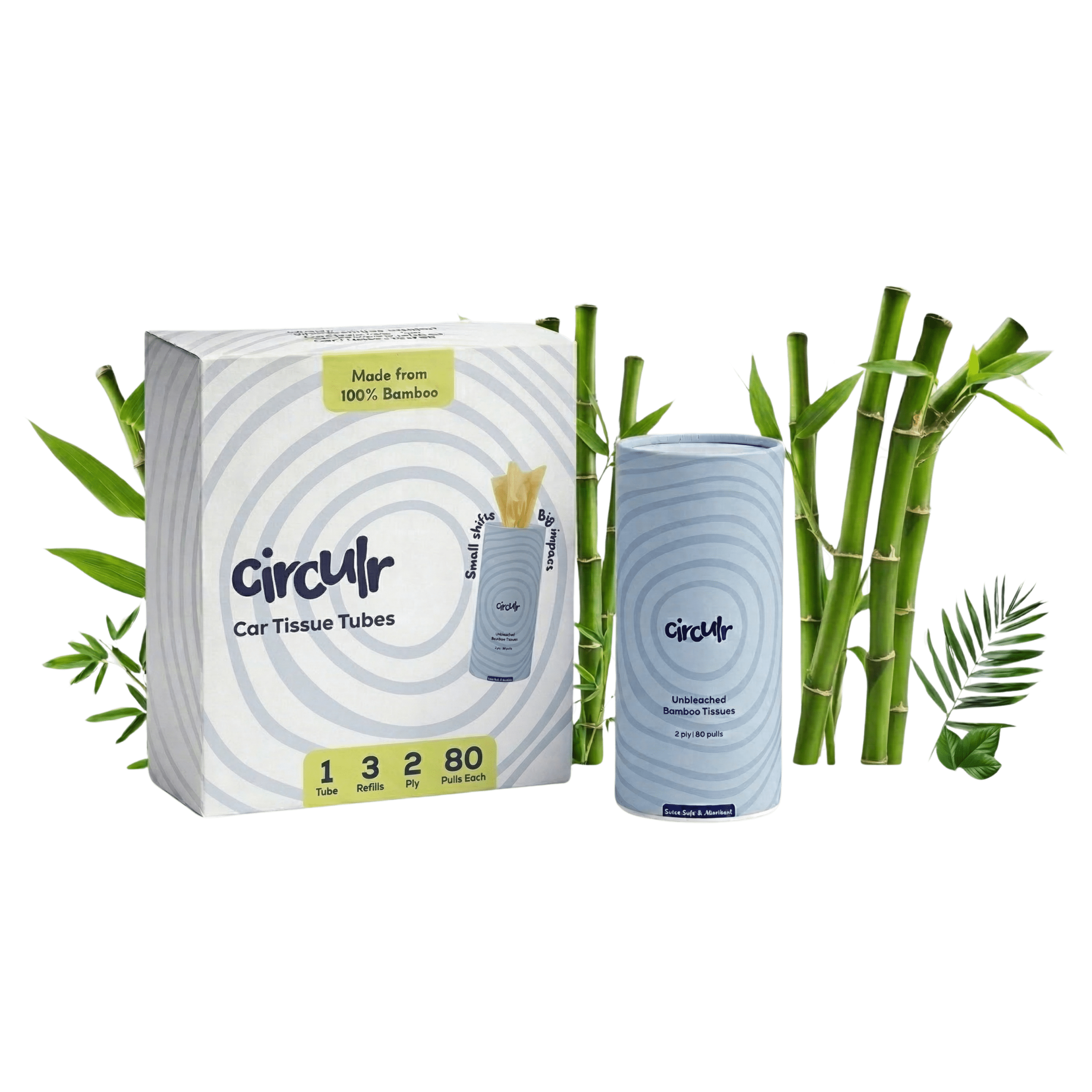
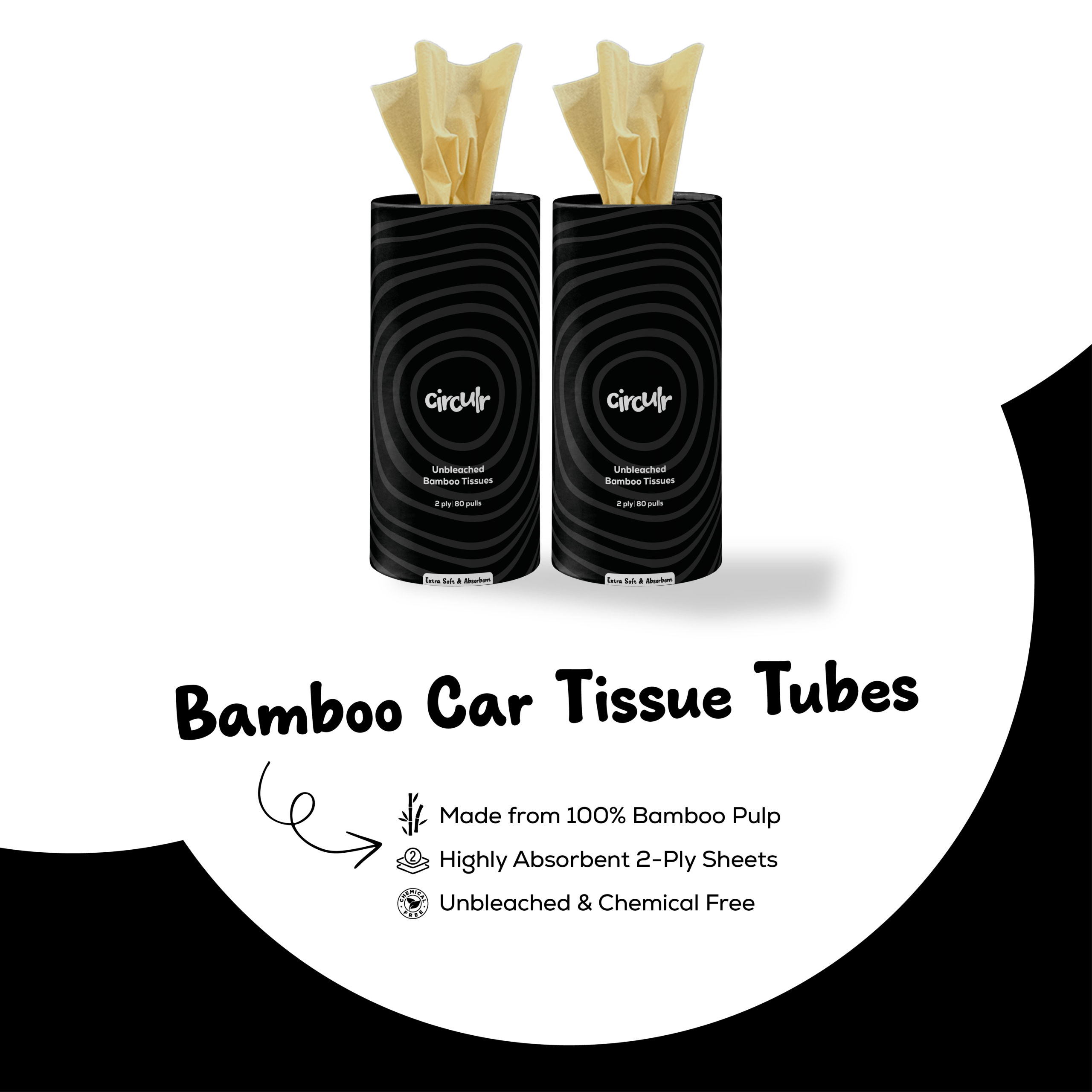
- Bamboo tissues
- Bamboo cleaning cloths
- Bamboo paper napkins
Brands like Circulr offer bamboo essentials made for everyday use.