Your cart is currently empty!.
You may check out all the available products and buy some in the shop.
Continue Shopping
Sustainability is one of those concepts that can feel enormous the moment you start taking it seriously. Reduce your carbon footprint. Eliminate plastic. Buy local. Compost. Change your diet. Audit your entire lifestyle.
For most people, that list doesn’t inspire action — it inspires paralysis.
The truth is that sustainable living doesn’t begin with a complete lifestyle overhaul. It begins with one decision, then another. And few first decisions are as accessible, impactful, and genuinely easy as switching to bamboo.
Bamboo products don’t require you to sacrifice convenience, quality, or budget in the name of the planet. They slot into your existing routine, replace things you already use, and deliver real environmental benefits without demanding anything dramatic from you. This blog explains exactly why bamboo is the ideal starting point for anyone stepping into sustainability — and how to make that first switch without overthinking it.
Before getting to bamboo specifically, it’s worth addressing the barrier that stops most people from starting at all: the belief that sustainable choices have to be difficult, expensive, or comprehensive to matter.
This belief is both common and counterproductive.
It leads people to delay action until they can “do it properly” — which often means they don’t start at all. It creates guilt around imperfect choices, which discourages continued effort. And it ignores the very real, cumulative power of small, consistent decisions made by large numbers of people.
The most effective entry point into sustainable living is not the most dramatic one. It’s the one that’s easy enough to actually do — and meaningful enough to build momentum from.
Bamboo is that entry point for a straightforward reason: it doesn’t ask you to change your habits. It asks you to change what your habits are made of.
The most immediate and impactful swap most households can make is bamboo for plastic — and the environmental case for doing so is unambiguous.
The problem with plastic:
Why bamboo is the better alternative:
The comparison isn’t close. Bamboo vs. plastic is one of the clearest material trade-offs in sustainable consumption. And it shows up in products you use every single day.
The benefits of bamboo products are most tangible when you see them in the context of specific replacements. Here are the switches that offer the highest impact for the lowest friction:
None of these switches require a dramatic change in behaviour. They require only a decision — made once — to choose differently the next time a product needs replacing.
Bamboo isn’t the only material being positioned as a sustainable alternative to plastic and conventional resources. Glass, stainless steel, recycled plastic, cork, and organic cotton are all part of the conversation. So why does bamboo stand out as a first step?
Compared to glass and stainless steel: Both are durable and recyclable, but they carry higher manufacturing energy costs and are not biodegradable. They’re excellent choices for long-lifespan products but less suited to high-turnover items like tissue, toothbrushes, and disposable packaging.
Compared to recycled plastic: Recycled plastic reduces virgin resource demand but still produces a non-biodegradable end product. It also depends on functioning recycling infrastructure — which remains inconsistent in much of India.
Compared to organic cotton: Organic cotton eliminates synthetic pesticides and fertilisers but remains one of the most water-intensive crops in the world. Bamboo uses dramatically less water at the cultivation stage.
Compared to cork: Cork is a genuinely sustainable material but limited in its range of applications. It doesn’t scale to the breadth of everyday products that bamboo can replace.
Bamboo’s combination of rapid renewability, biodegradability, low input requirements, versatility across product categories, and accessibility at mainstream price points makes it uniquely suited as an entry point for everyday sustainable consumption.
The biggest mistake first-time sustainable consumers make is trying to change everything at once. Here’s a simpler, more sustainable approach to starting with bamboo:
The replacement rule: Don’t throw out what you have. When a conventional product runs out or wears out, replace it with the bamboo equivalent. This approach is financially sensible, avoids unnecessary waste, and creates a natural transition timeline.
Start with the highest-turnover items: Toothbrushes, tissue, and cotton swabs are replaced regularly. Starting here means you’ll be buying the bamboo version soon regardless — you’re simply deciding what that next purchase looks like.
Buy quality, not quantity: Choose bamboo products that are certified, transparently made, and built to last. One good bamboo cutting board that lasts five years is better — economically and environmentally — than three cheap ones that don’t.
Use a curated platform: Navigating which bamboo products are genuinely sustainable versus greenwashed can be confusing. Platforms that vet products against real sustainability standards save you the research time and ensure your first bamboo purchases are the real thing.
Track the difference: Keep a loose count of the plastic items you’ve replaced. A family that switches toothbrushes, tissue, swabs, and one or two kitchen items in a year eliminates dozens of plastic products from their consumption footprint. That number, multiplied across households, becomes a genuinely significant shift.
You don’t have to be a sustainability expert to make a difference. You just have to make one better decision — and then another.
Bamboo is where many of those decisions can start. It’s available, affordable, functional, and backed by genuine environmental credentials. And once you’ve made the first switch, the next one becomes easier, then the one after that.
Sustainability isn’t a destination you arrive at all at once. It’s a direction you choose to move in — and bamboo is one of the clearest paths forward.
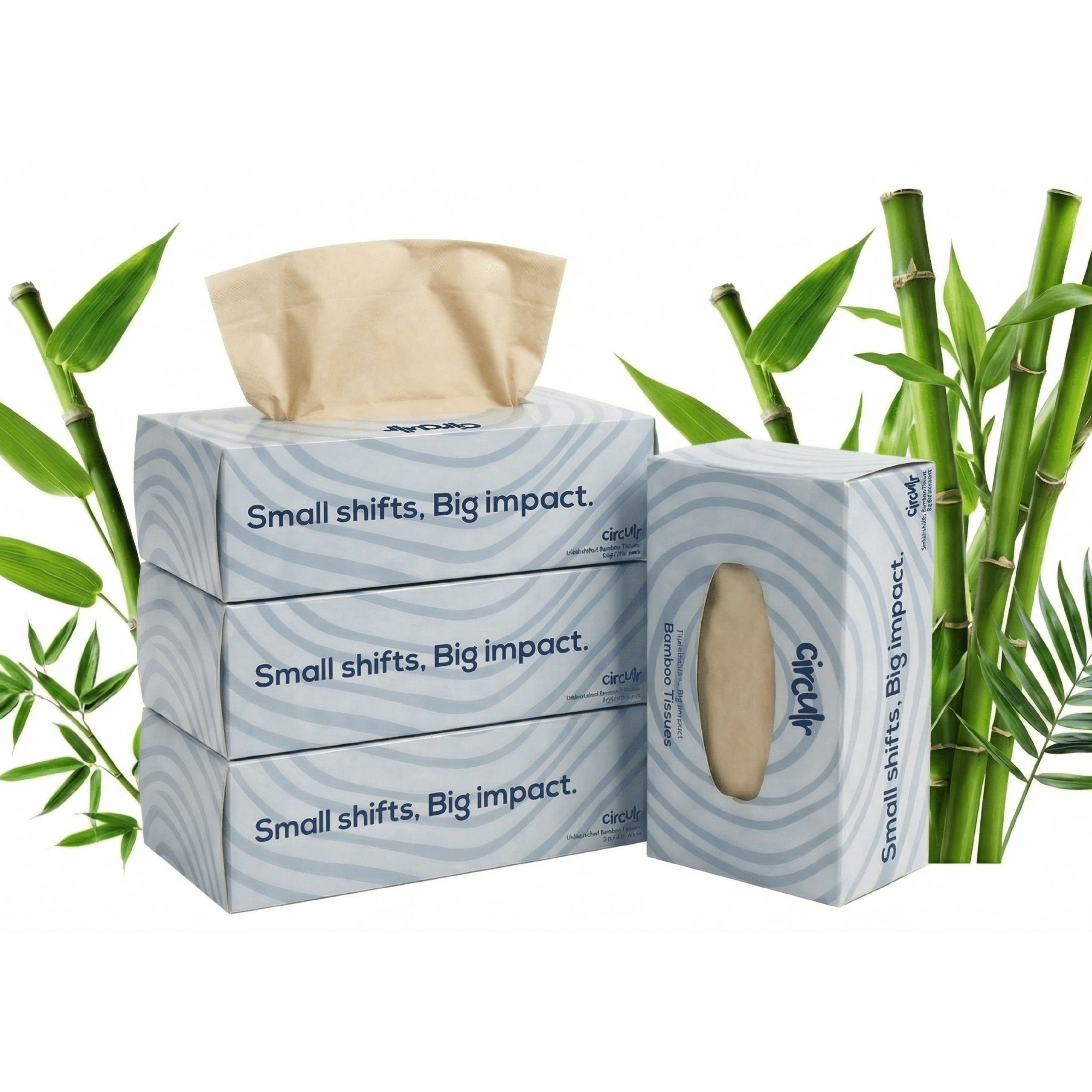
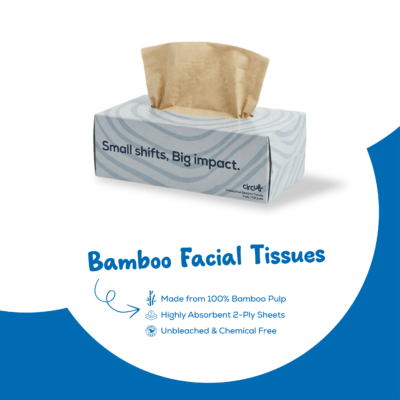
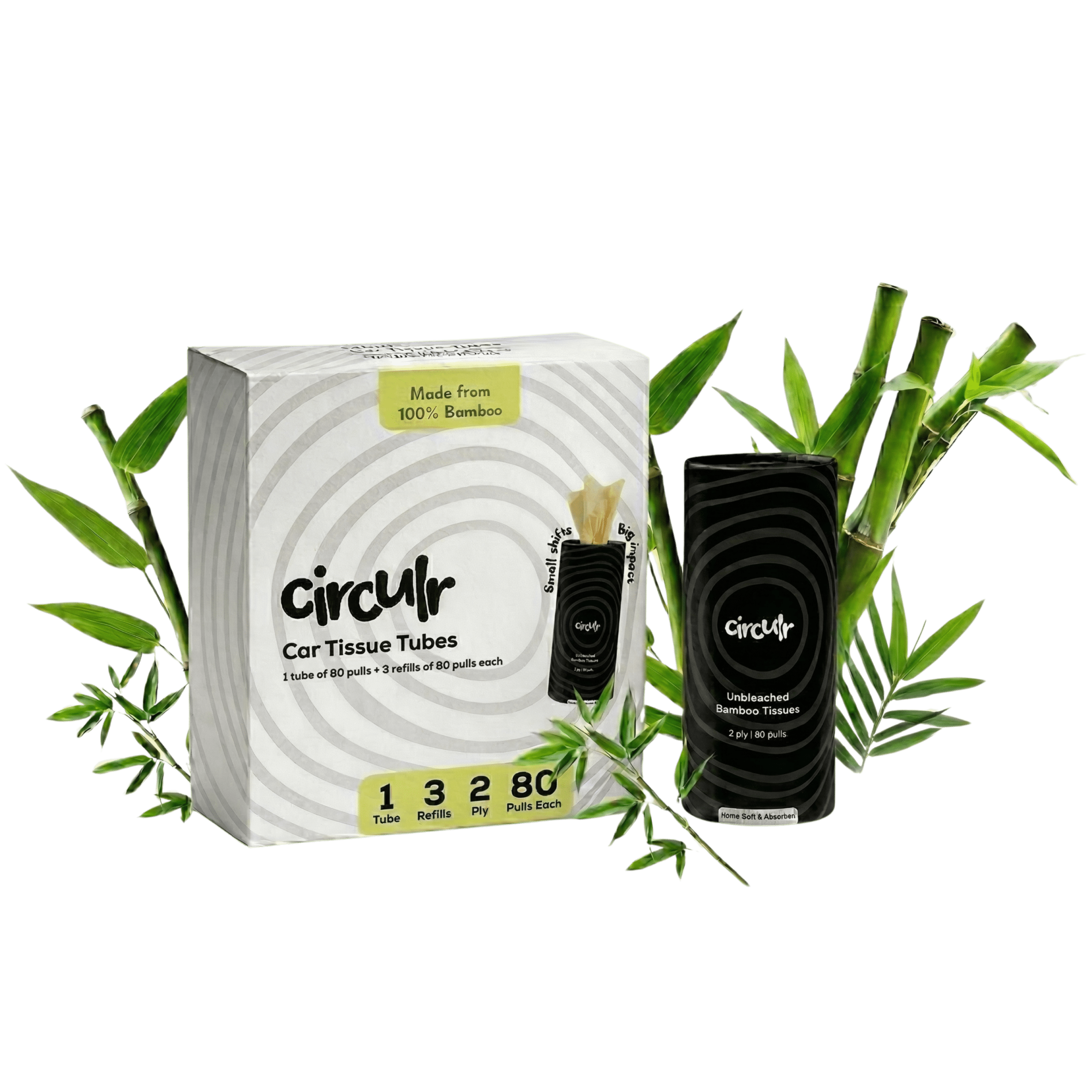
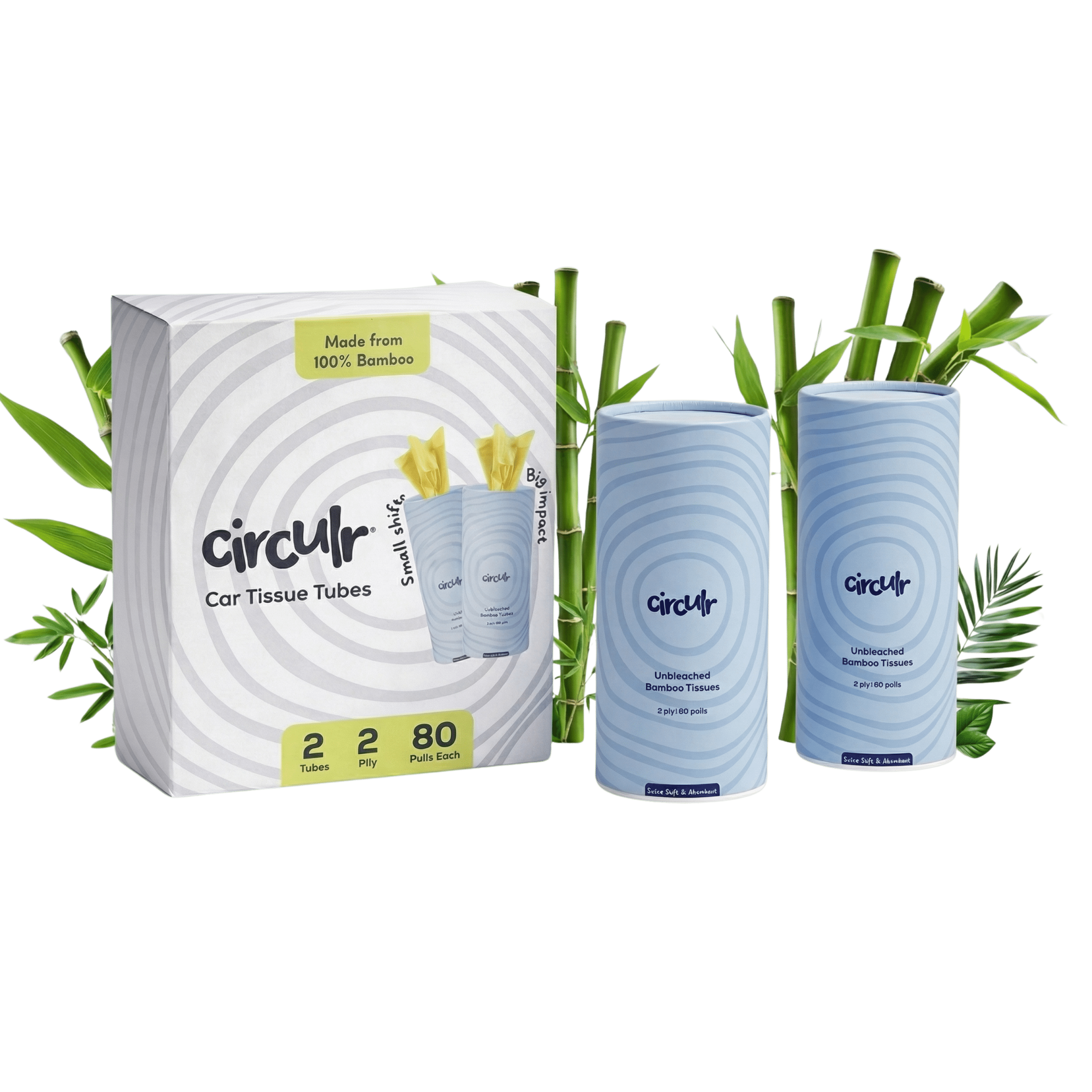
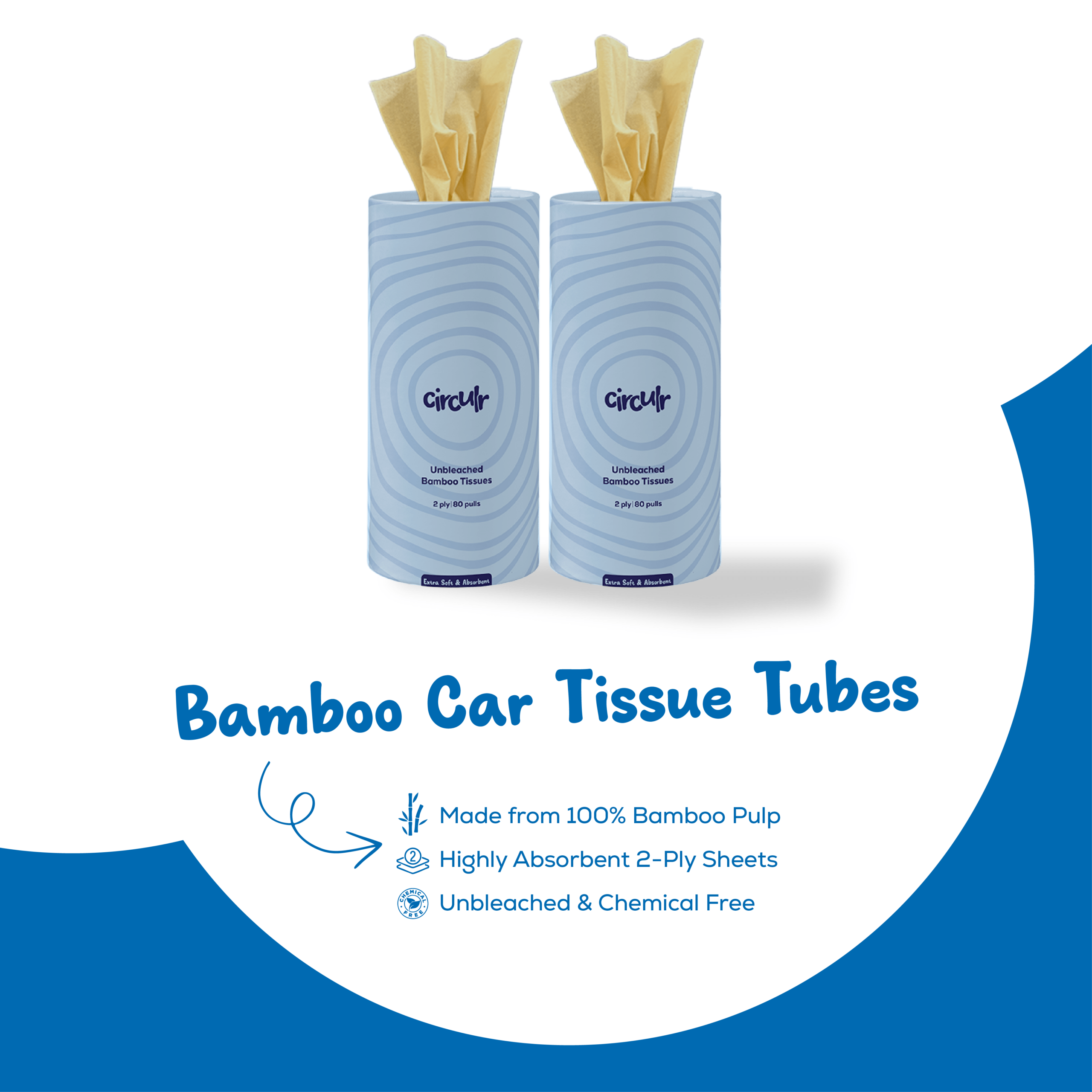
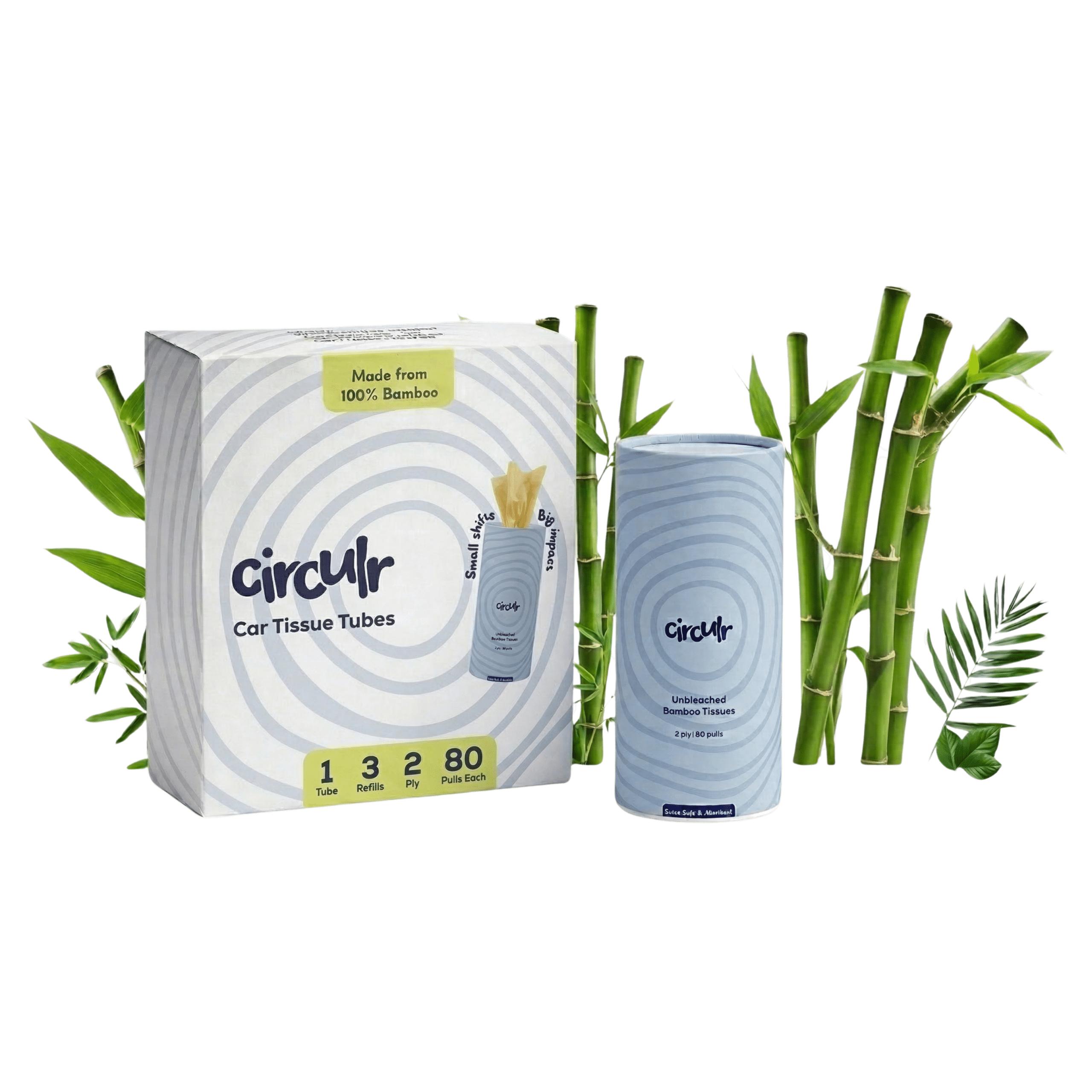
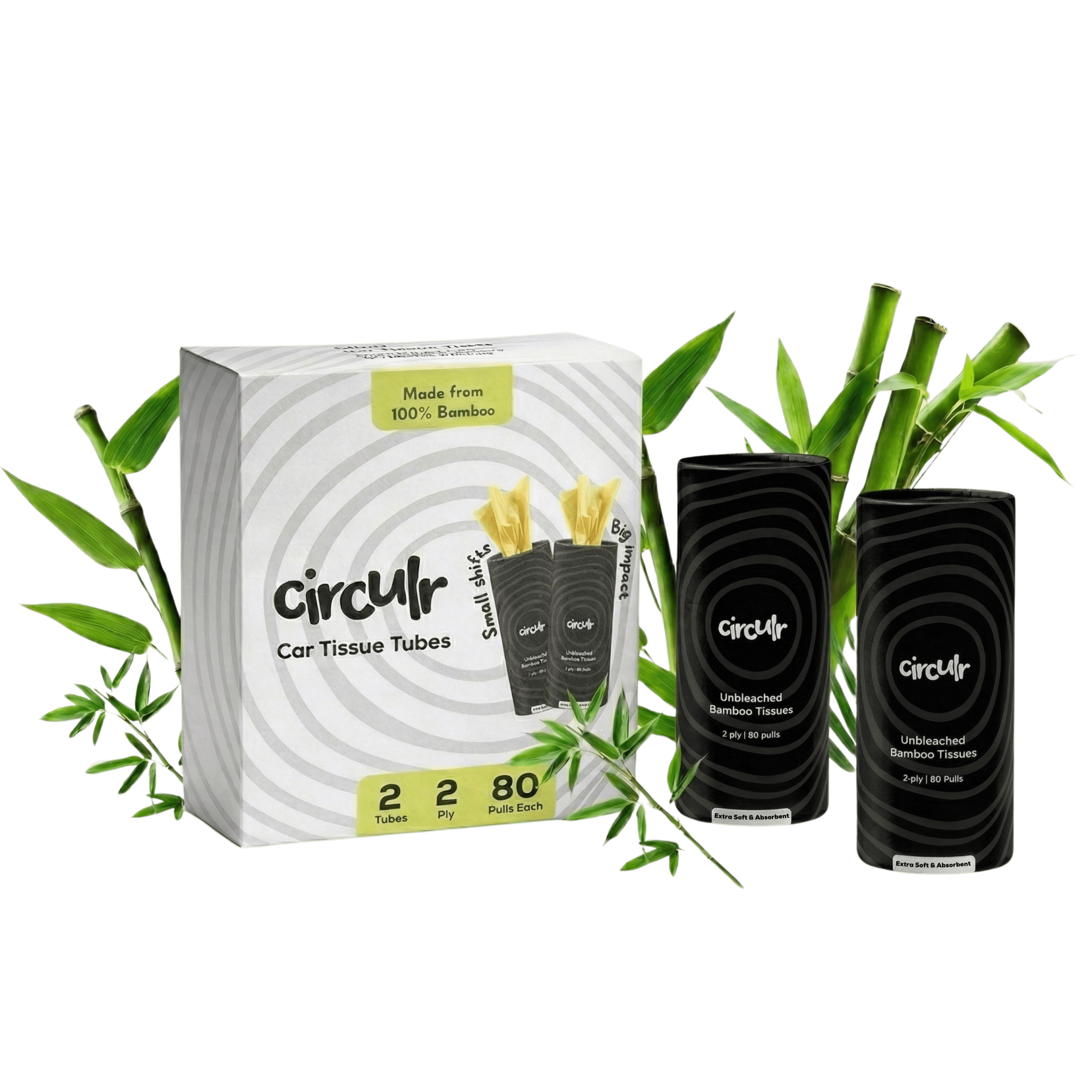
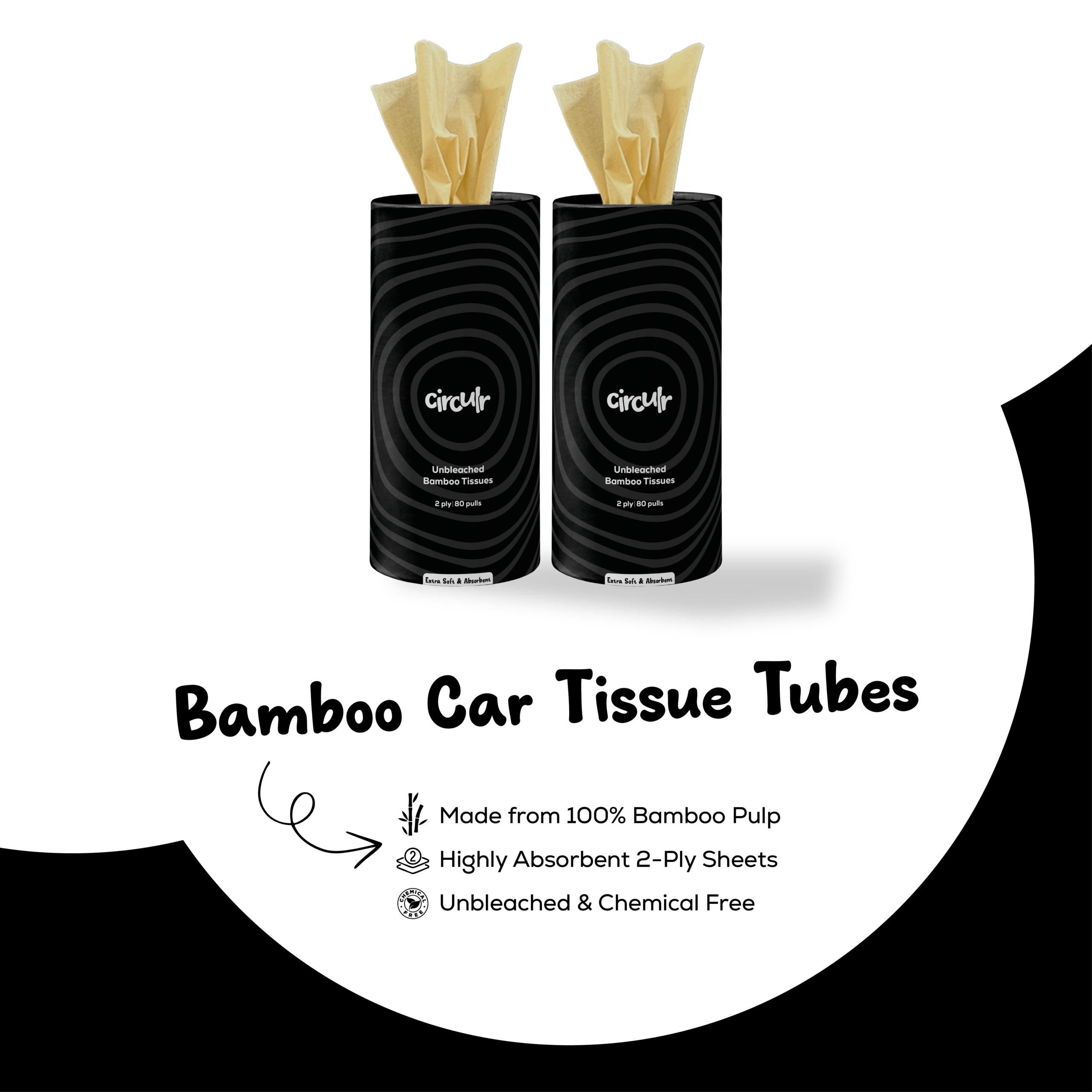
At Circulr, we’ve made it easy to find bamboo products that are certified, honestly made, and genuinely sustainable. Browse our collection and make your first — or next — bamboo switch today.