



Your cart is currently empty!.
You may check out all the available products and buy some in the shop.
Continue Shopping
Most of us put out the bins without looking too closely at what’s inside. It’s waste — it goes out, it gets collected, and we move on. Out of sight, out of mind.
But your household garbage is one of the most honest reflections of your lifestyle that exists. It tells you what you buy, how you buy it, what you eat, what you waste, and which habits are quietly costing the planet far more than you realise.
The concept of a waste audit — examining what you throw away to understand your consumption patterns — is one of the most revealing exercises any household can do. It’s also one of the most effective starting points for genuinely reducing your environmental footprint. This blog walks you through what your garbage is likely telling you, how to conduct a simple home waste audit, and the most impactful changes you can make to reduce household garbage and move meaningfully toward a zero waste lifestyle.
Before thinking about solutions, it helps to understand what different types of household waste reveal about consumption patterns.
A lot of plastic packaging If your bin is dominated by plastic — wrappers, sachets, bottles, bags, and containers — it reflects a consumption pattern built around single-use convenience. Every plastic sachet of shampoo, every packaged snack, every plastic produce bag represents a purchasing decision that prioritised short-term convenience over long-term impact.
Plastic-heavy waste is also an indicator of brand choices. Products sold in plastic packaging are typically produced by companies that haven’t invested in more sustainable packaging systems — and your purchases are funding that choice.
A lot of food waste Food waste in household garbage typically indicates over-purchasing, poor meal planning, or inadequate storage. In India, food waste is a particularly significant issue — an estimated 40% of food produced is wasted before or after reaching consumers.
Food rotting in a landfill doesn’t simply decompose harmlessly. In the absence of oxygen, organic waste produces methane — a greenhouse gas approximately 80 times more potent than CO₂ over a 20-year period. Food waste is one of the most climate-damaging forms of household garbage, and one of the most preventable.
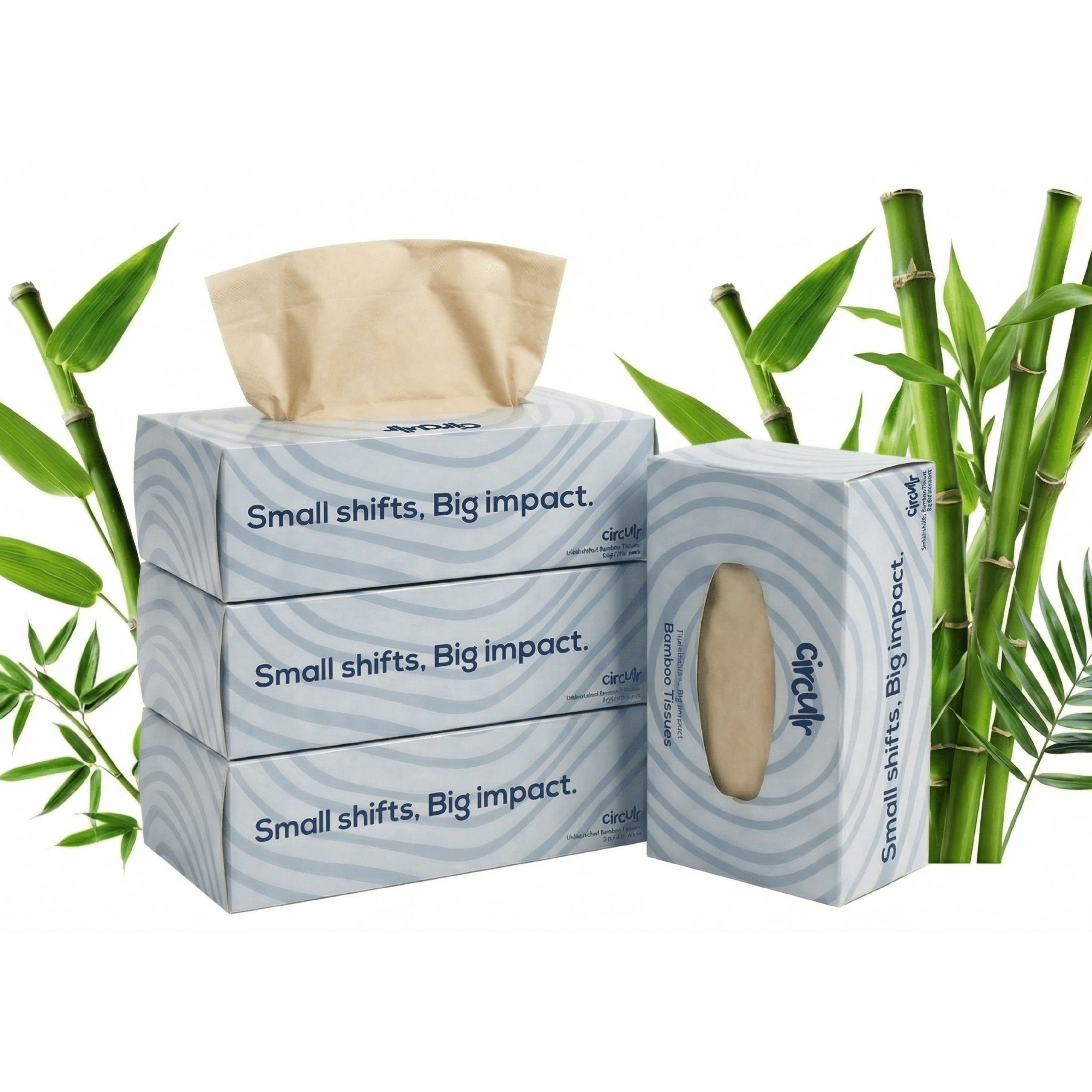
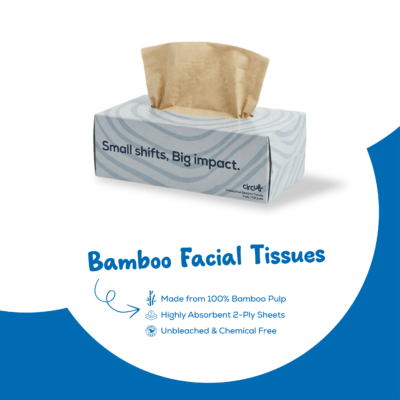
A lot of paper and cardboard Cardboard-heavy waste often reflects online shopping habits — boxes, bubble wrap, foam inserts, and excessive packaging arriving with every delivery. It can also reflect a reliance on paper products — tissues, paper towels, disposable napkins — that have more sustainable alternatives.
A lot of single-use items Disposable razors, single-use coffee cups, plastic cutlery, paper plates, disposable cleaning wipes — a bin full of these items reflects a lifestyle built around throwaway convenience. Each of these items has a durable, reusable alternative that performs as well or better over time.
Very little recyclable material separated If recyclable materials — paper, glass, certain plastics, metal — are mixed into general waste rather than separated, it reflects either a lack of awareness about recycling options or a lack of systems to make separation easy at home.
The composition of your garbage is not a judgement — it’s data. And data is actionable.
A waste audit sounds more involved than it is. At its most basic, it simply means paying attention to what you throw away for one to two weeks — and categorising it.
Step 1: Set up simple categories You don’t need complex systems. Start with five broad categories:
Step 2: Track for one to two weeks Before items go into the bin, note which category they fall into. A simple tally in a notebook or phone works fine. You’re not aiming for precision — you’re looking for patterns.
Step 3: Identify your biggest categories At the end of the tracking period, which category dominates? This is where your highest-impact changes lie.
Step 4: Ask the right questions about your biggest category
This simple process typically reveals two or three high-priority changes that will deliver the majority of your household waste reduction — without requiring a wholesale lifestyle overhaul.
Based on what waste audits consistently reveal across households, here are the changes that deliver the most meaningful reduction in household garbage:
Key switches:
Each of these switches eliminates a category of waste entirely — not just reducing it.
Simple systems that make separation easy:
In many Indian cities, segregated waste collection is now mandatory. Building the habit at home aligns with these systems and ensures your separated waste is processed correctly.
Reducing household waste is not a one-time project — it’s an ongoing practice. These principles help embed waste reduction into daily life rather than treating it as a periodic effort:
Buy less, choose better The most powerful waste reduction strategy is consuming less overall. Before purchasing, ask: do I need this? If yes, ask: what is the most durable, sustainable version available? Quality over quantity consistently reduces waste.
Repair before replacing A culture of replacement — disposing of items at the first sign of wear and buying new — drives enormous waste. Repairing clothes, electronics, appliances, and household items extends their useful life and keeps materials out of landfill. India has a rich tradition of repair culture that is worth reclaiming in the face of throwaway consumerism.
Talk about it Household waste reduction is most effective when it’s a shared practice. Involving family members — including children — in understanding why these changes matter creates lasting habits rather than temporary individual efforts.
Track progress, not perfection A zero waste lifestyle is an aspiration, not a literal achievable state for most households. The goal is continuous reduction — not perfection. Comparing your waste output month over month is more motivating and more honest than measuring yourself against an unachievable ideal.
The garbage you put out this week is a record of choices made over the past seven days. Next week’s bin can look different — not through dramatic sacrifice, but through small, deliberate decisions made one at a time.
A waste audit is where many households begin their sustainability journey precisely because it makes the abstract concrete. You can see what you’re doing. And once you can see it, you can change it.
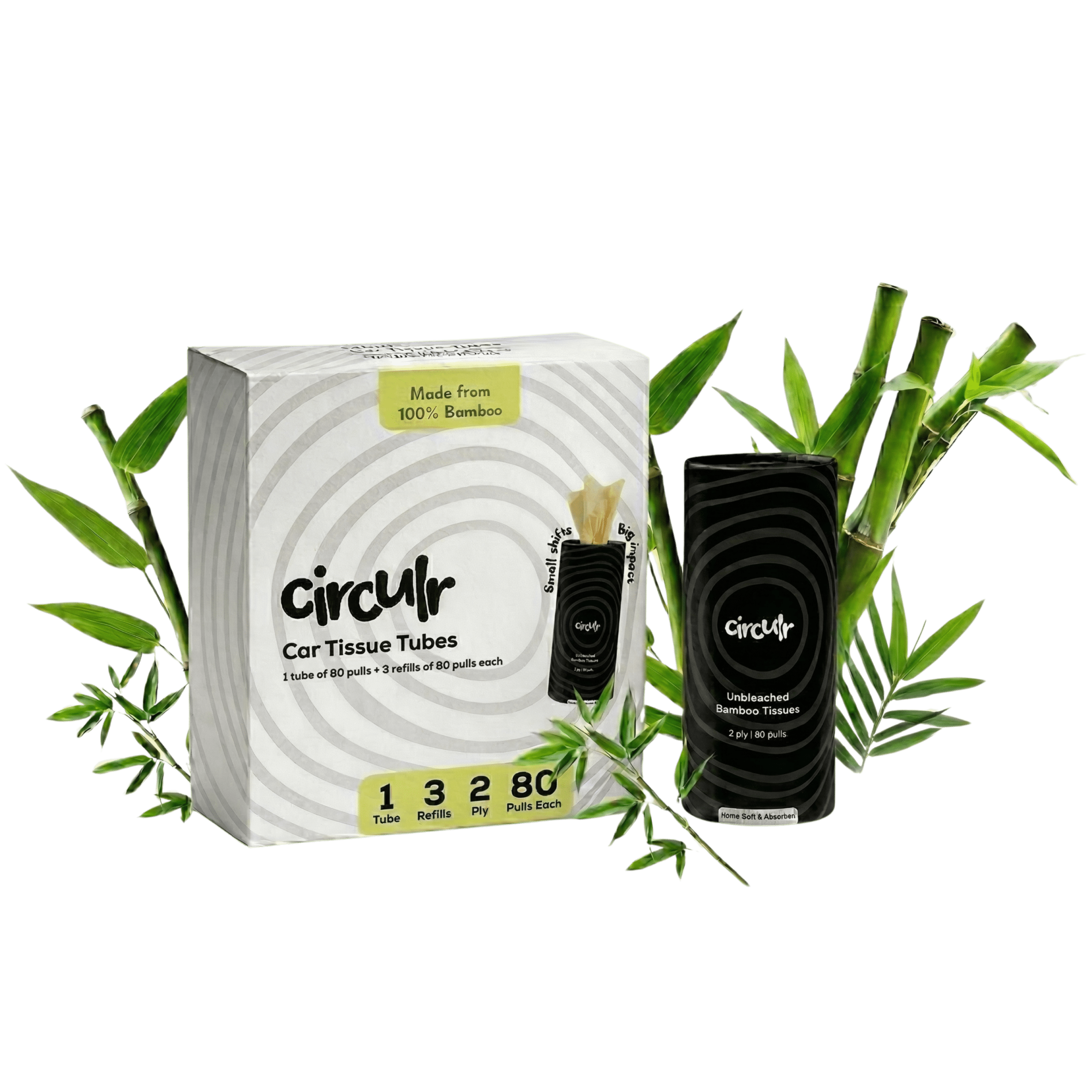
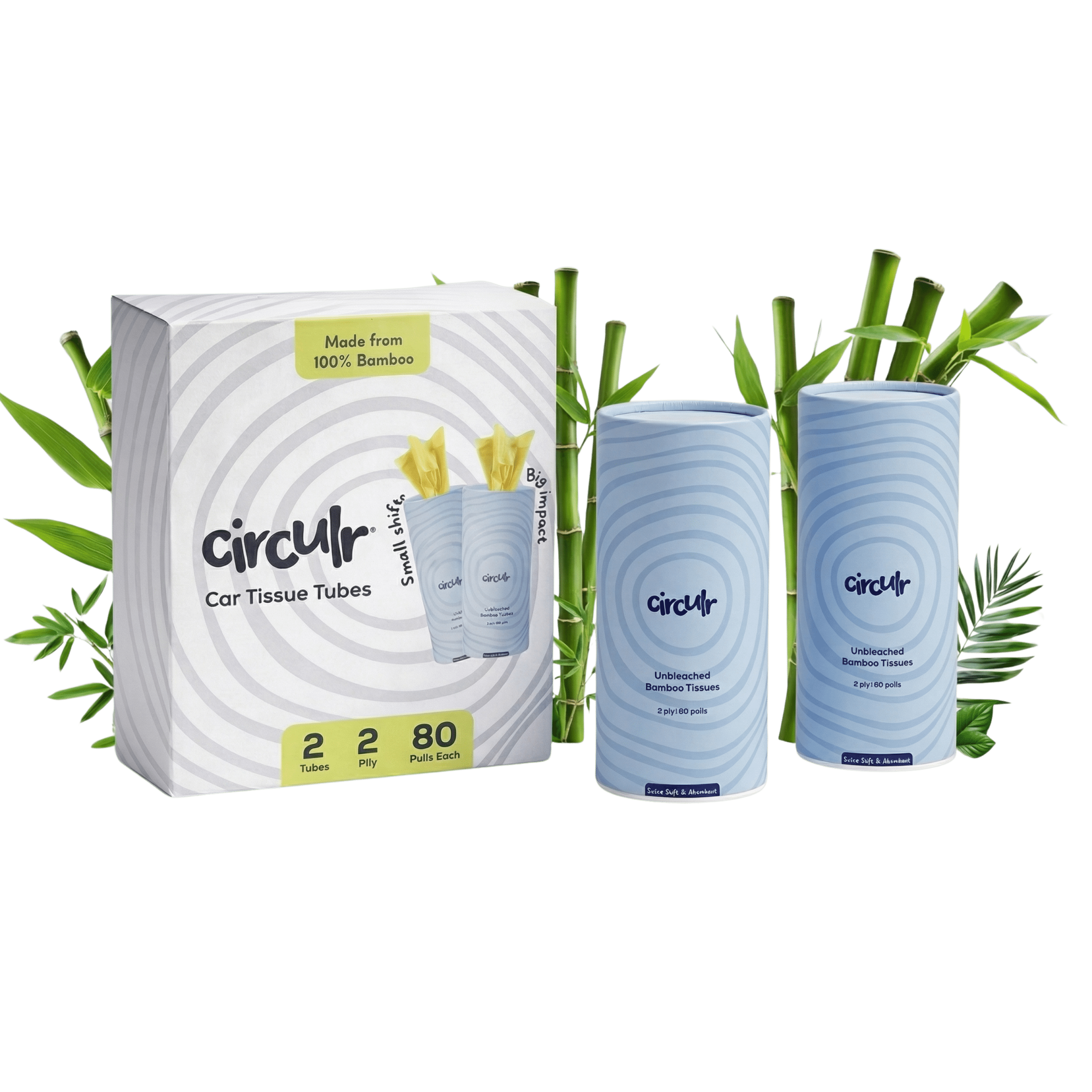
At Circulr, we make it easier to swap single-use and plastic-heavy products for genuinely sustainable alternatives — bamboo essentials, plastic-free packaging, refillable options, and zero waste staples curated for Indian homes. Start reducing what goes in your bin by changing what comes into your home.