
Your cart is currently empty!.
You may check out all the available products and buy some in the shop.
Continue Shopping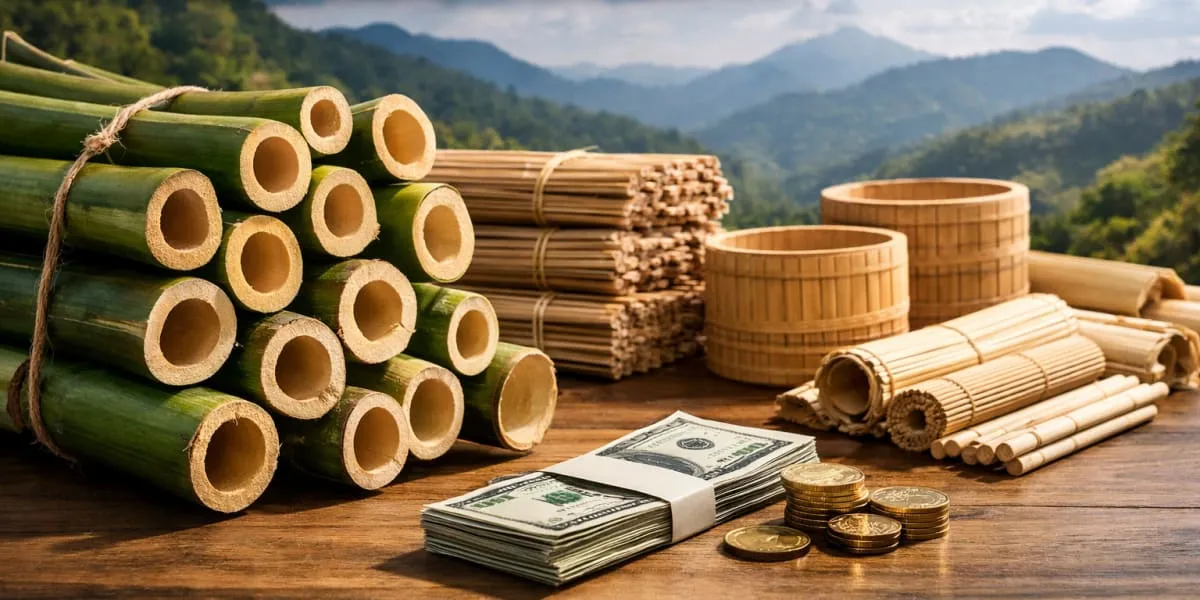
A quiet but significant shift is underway across Indian households. Tree free paper products India shoppers once overlooked are now among the fastest-growing categories in everyday essentials.
This isn’t a passing fad. It reflects a genuine reevaluation of what everyday paper products should be made from.
Several factors are converging to accelerate demand for tree-free alternatives across Indian homes.
This convergence is fueling steady growth in bamboo paper products India adoption, not just isolated interest.
Tree-free doesn’t mean paper-free. It means sourcing fiber from fast-regenerating plants like bamboo instead of slow-growing hardwood trees.
This distinction matters because it directly addresses the core sustainability concern behind standard paper — the pace of forest regeneration.
Among available alternatives, bamboo stands out for combining practicality with genuine environmental benefit.
This combination makes bamboo the clear frontrunner among sustainable paper products India brands are exploring.
Tissue paper has become one of the most visible entry points into tree-free adoption, largely due to frequent purchase cycles.
People replace tissue boxes often enough that switching feels low-risk, yet the cumulative impact remains significant.
This dynamic explains why eco friendly tissue paper India brands are seeing particularly strong growth within the tree-free category.
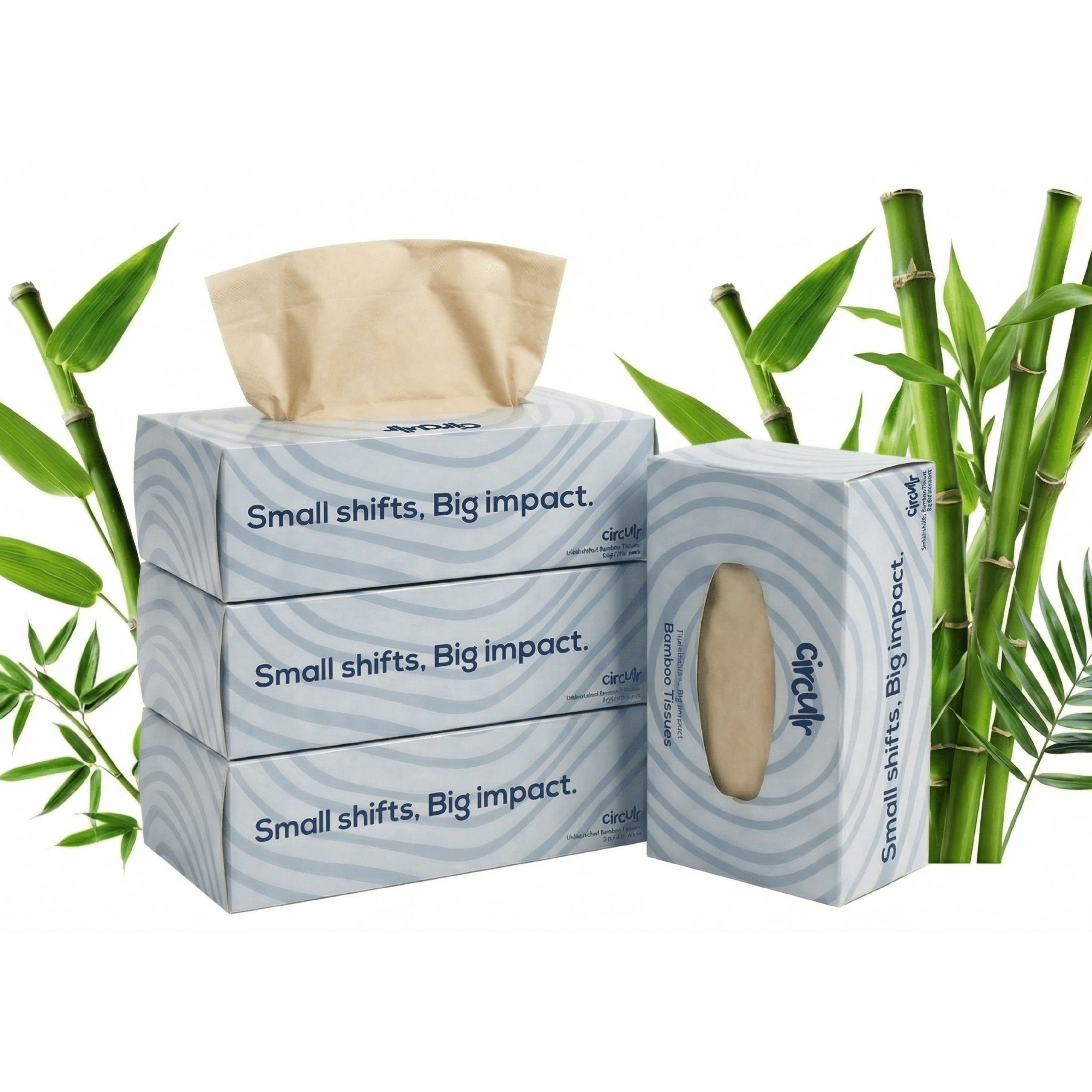
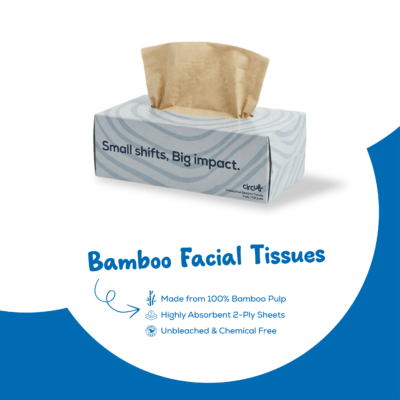
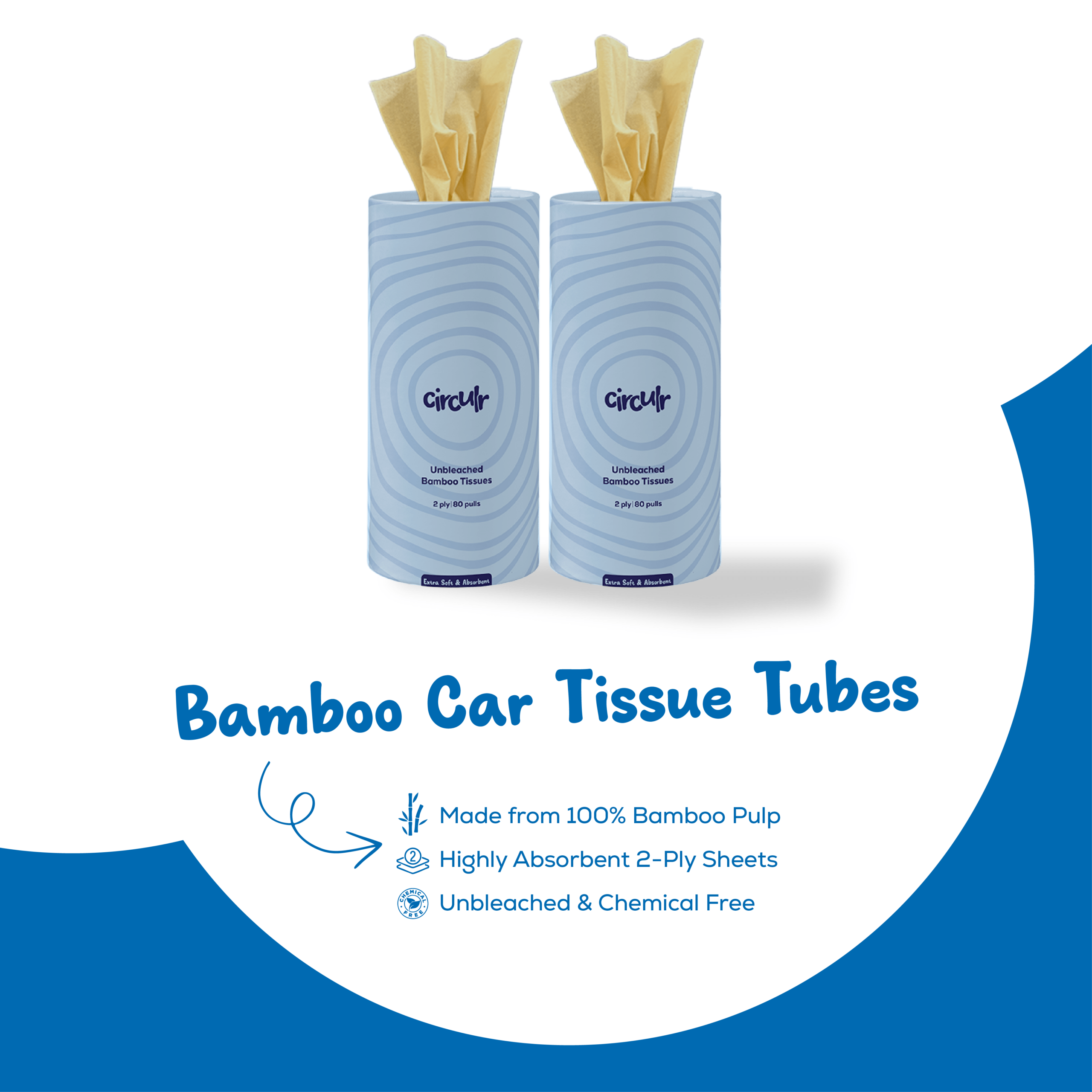
Bamboo tissue paper often outperforms expectations, offering softness and strength without heavy chemical processing.
This performance is central to why bamboo tissue paper India shoppers try continues converting into long-term repeat customers.
For decades, wood pulp paper was simply assumed to be the standard, largely due to lack of accessible alternatives.
As infrastructure improves, genuine alternative to wood pulp paper options are becoming mainstream rather than niche.
True deforestation-free paper requires more than just avoiding virgin forest sourcing. It requires fundamentally different raw material choices.
Bamboo achieves this by design, since it regenerates independently of forest ecosystems typically harvested for paper production. This is central to genuine deforestation free paper India claims holding up to scrutiny.
Not every bamboo product delivers equally well. A few markers help identify quality among best bamboo paper products India offers.
These markers separate genuinely well-made products from those simply capitalizing on the bamboo trend.
As more manufacturing facilities dedicate capacity to bamboo processing, availability continues to improve across Indian markets.
This growing infrastructure directly supports wider bamboo paper products India availability, moving the category from niche to mainstream.
As tree-free products gain market share, conventional wood pulp manufacturers face increasing pressure to reconsider their own sourcing practices.
A growing alternative market often pushes established players toward greater transparency and improvement, even indirectly.
This ripple effect extends the impact of sustainable paper products India adoption beyond just the brands directly involved.
Even as bamboo paper products become more mainstream, early adopters play a meaningful role in signaling sustained demand to manufacturers and retailers.
This ongoing demand encourages continued investment in deforestation free paper India infrastructure, benefiting the category as a whole over time.
Ultimately, this shift depends on continued consumer demand. Every household that switches reinforces manufacturer confidence to keep expanding bamboo product lines.
This feedback loop between demand and supply is what will determine how quickly tree free paper products India availability continues to grow nationwide.
Every household purchase, however small, plays a small role in reinforcing that ongoing feedback loop between what people buy and what manufacturers choose to produce.
Is tree-free paper as strong as regular paper? Yes, quality bamboo products often match or exceed standard paper strength.
Why is this category growing so quickly now? Improved availability and awareness are both accelerating adoption simultaneously.
Is tree-free paper more expensive? Pricing has become increasingly competitive with conventional options.
India’s growing embrace of tree-free paper mirrors similar shifts happening in other markets worldwide, as bamboo gains recognition as a viable mainstream material.
This global alignment suggests the tree-free movement isn’t an isolated regional trend, but part of a broader reevaluation of paper sourcing happening internationally.
Tree-free paper products aren’t a temporary trend. They represent a fundamental rethinking of what everyday paper should be made from.
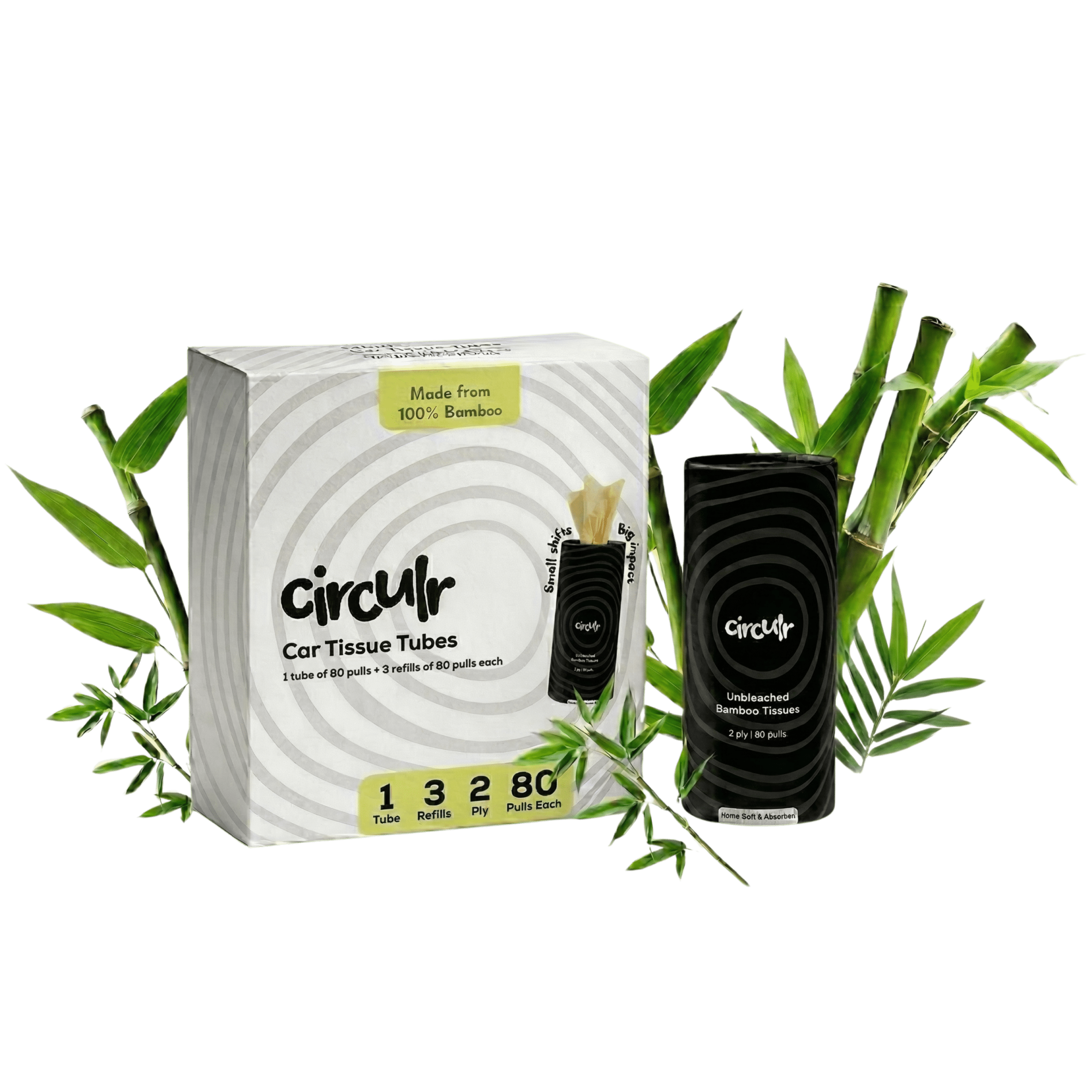
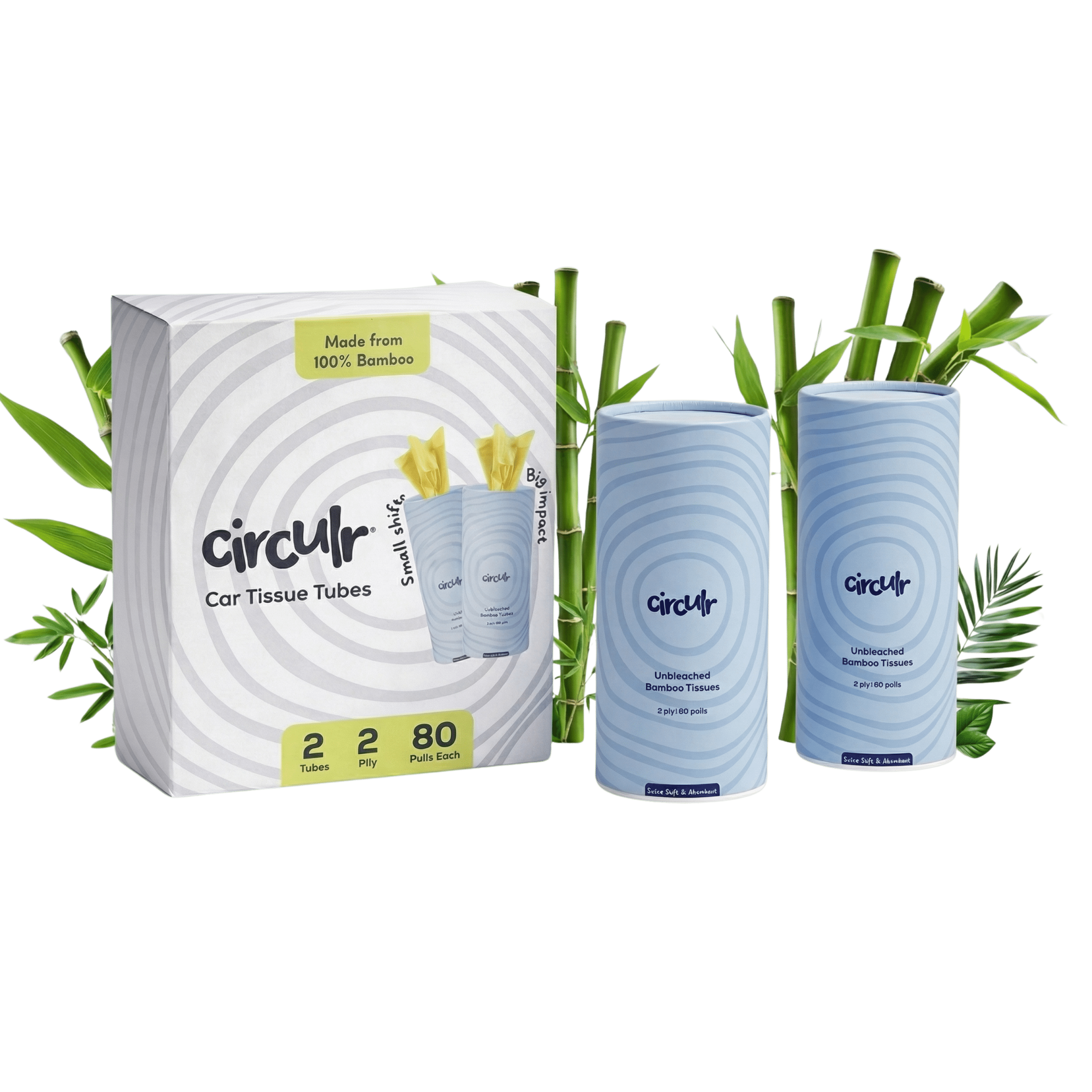
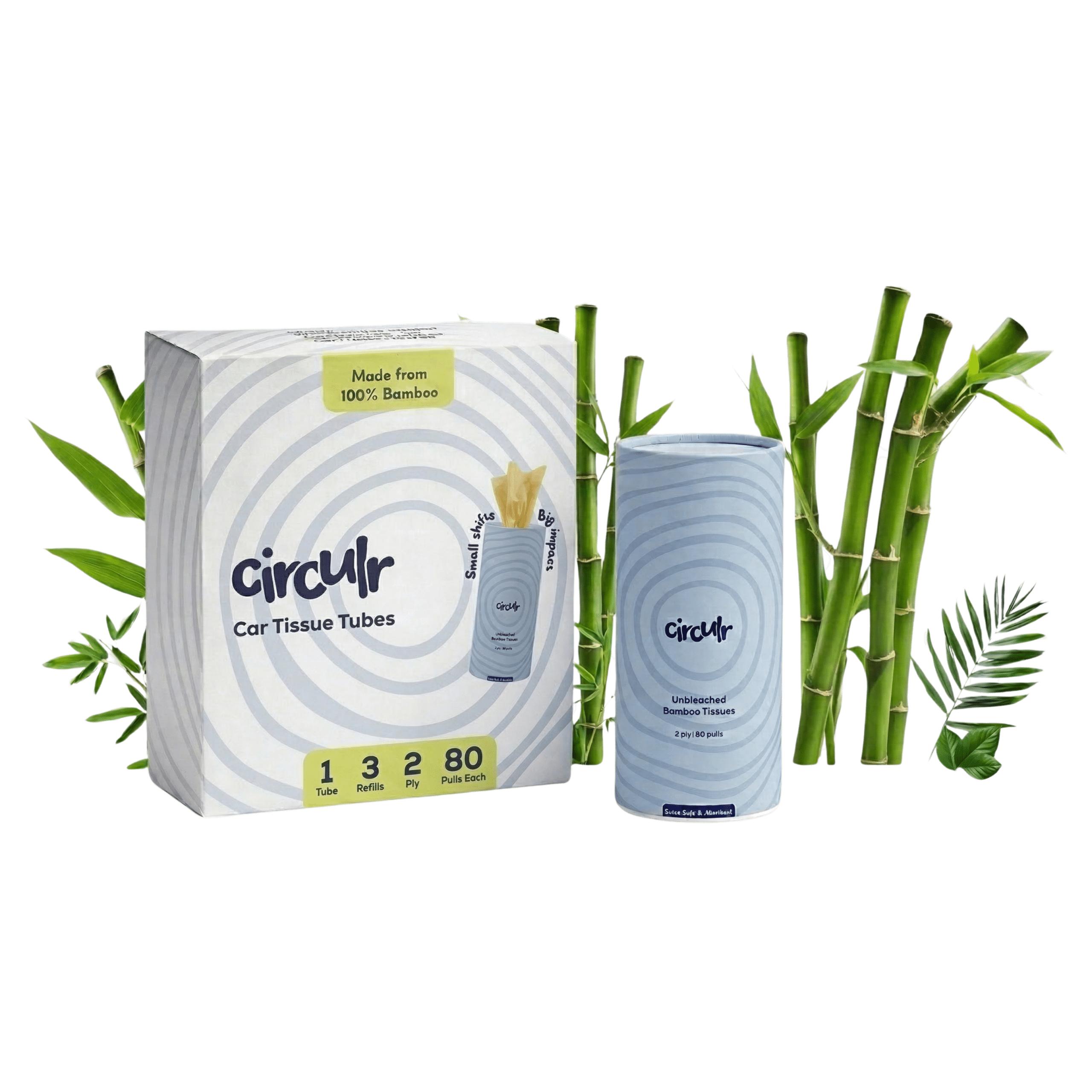
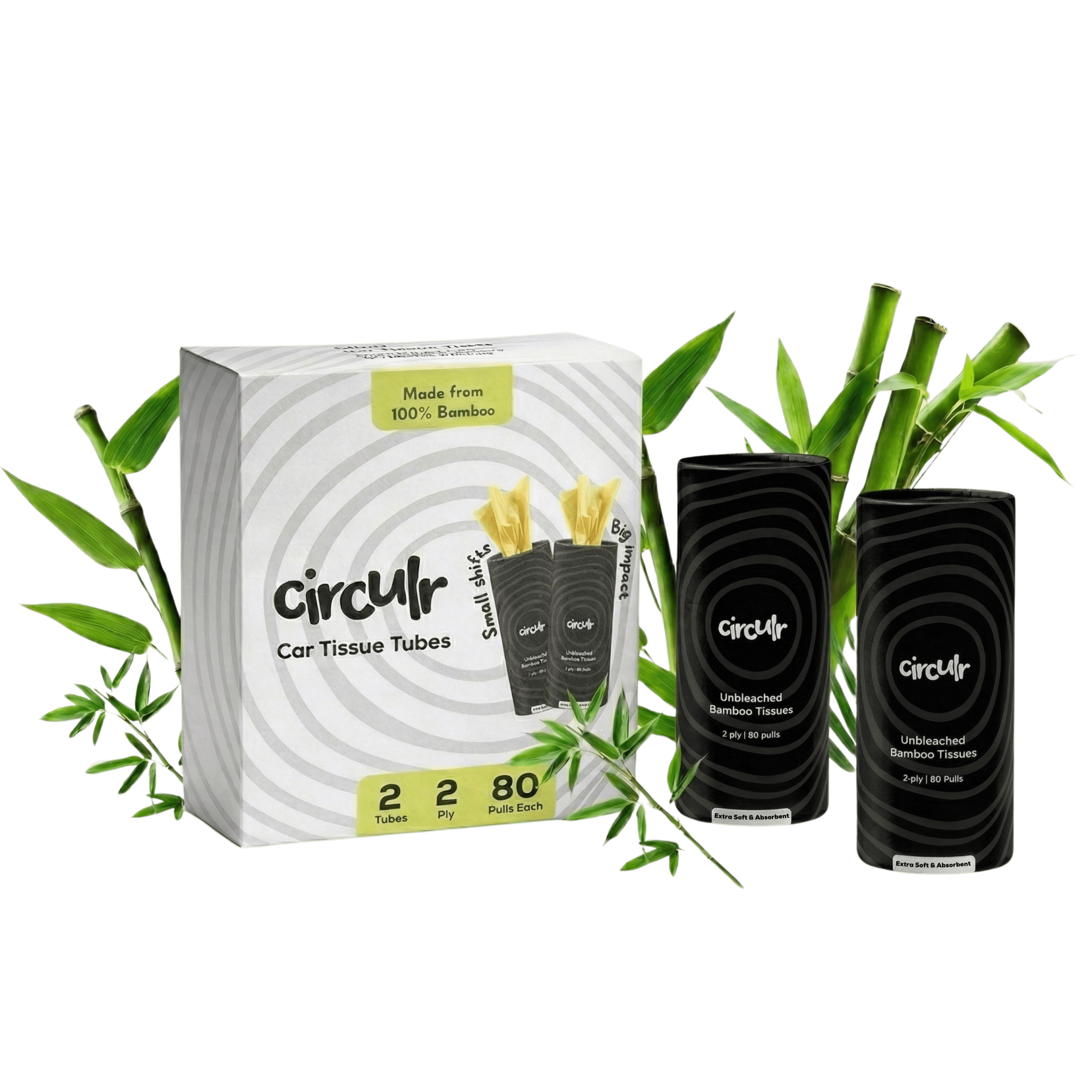
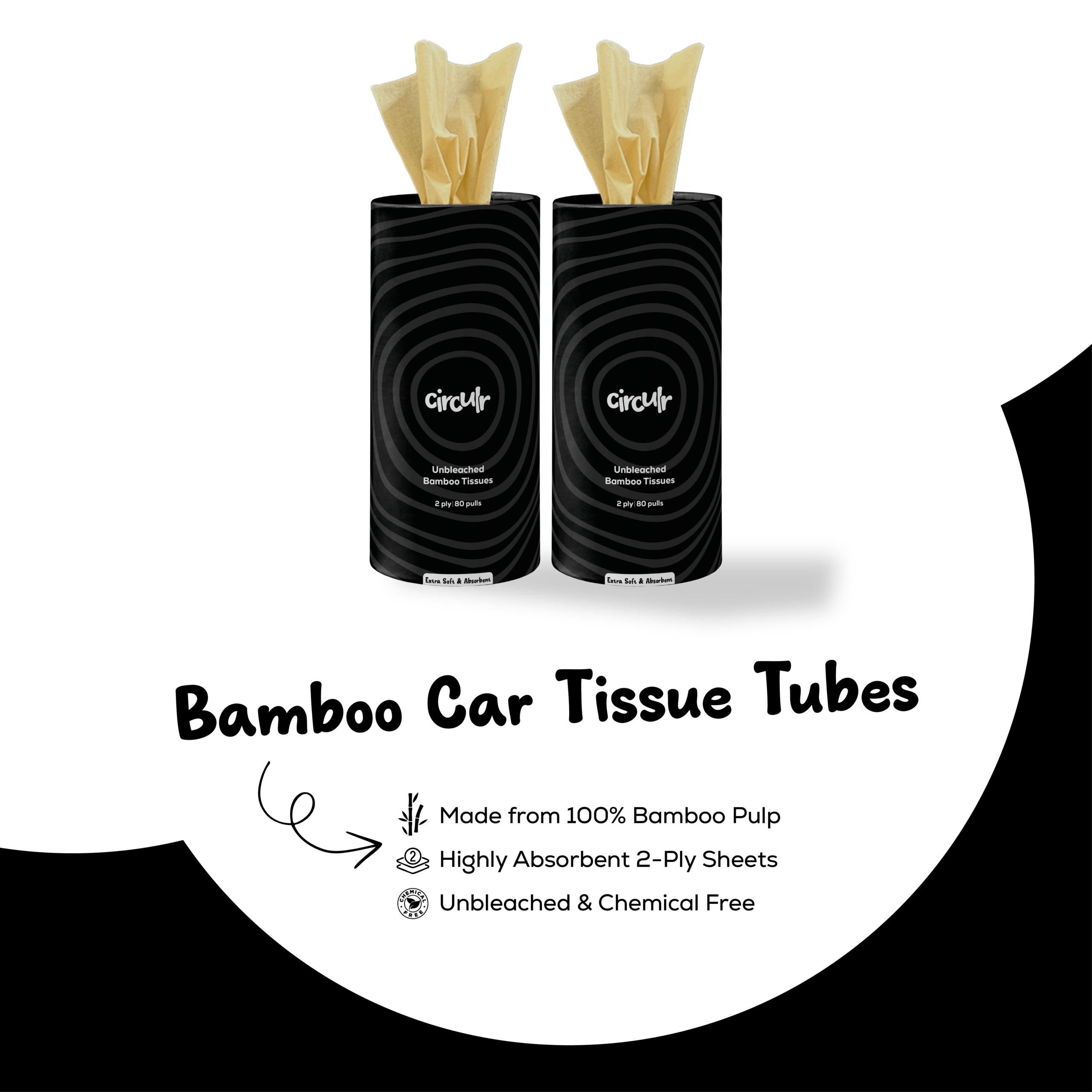
Circulr sits right at the center of this shift, offering Indian households a genuinely tree-free alternative for the products they already use daily.