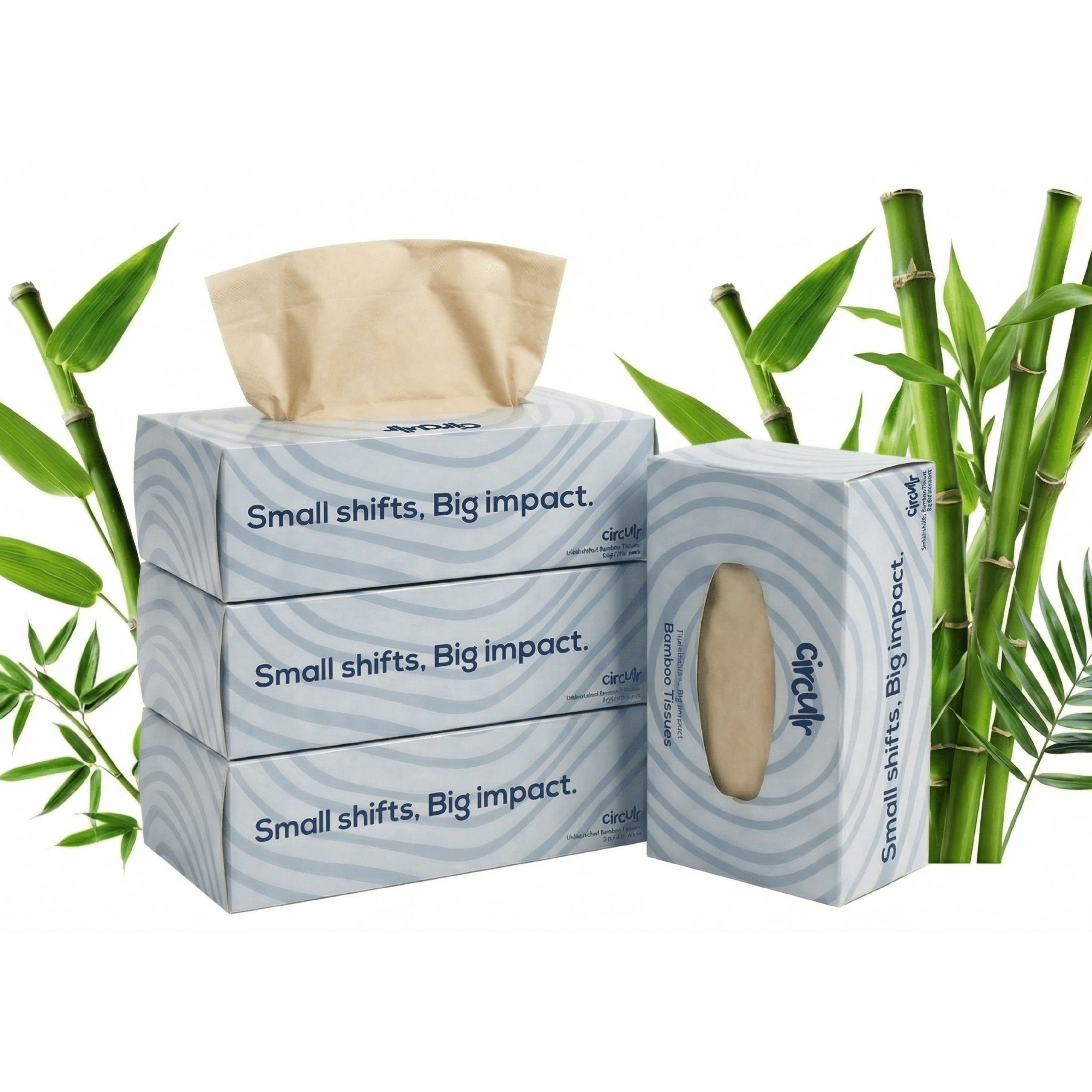
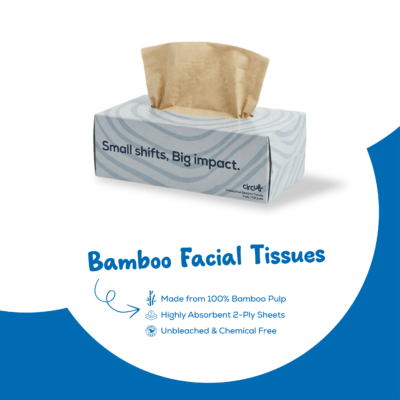
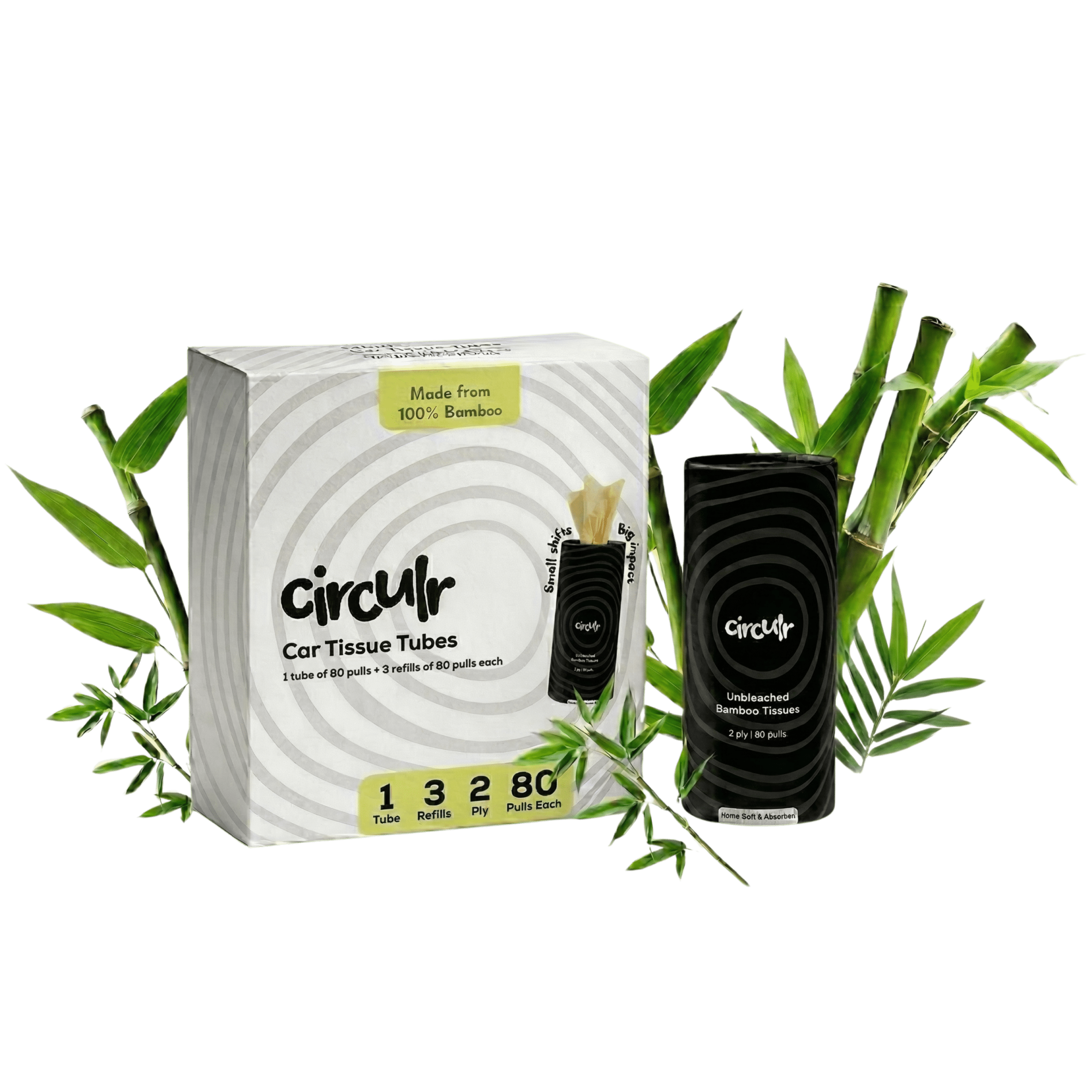
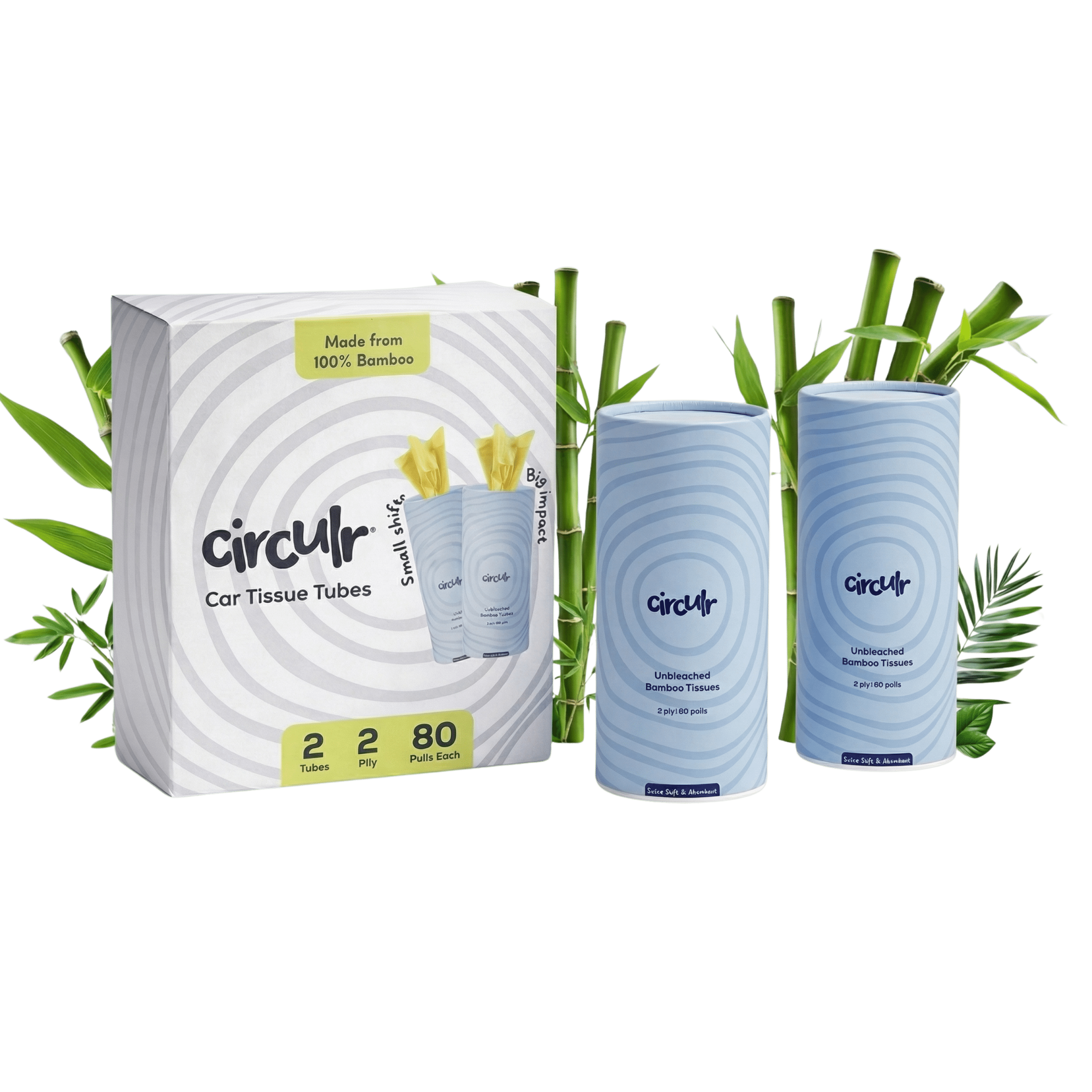
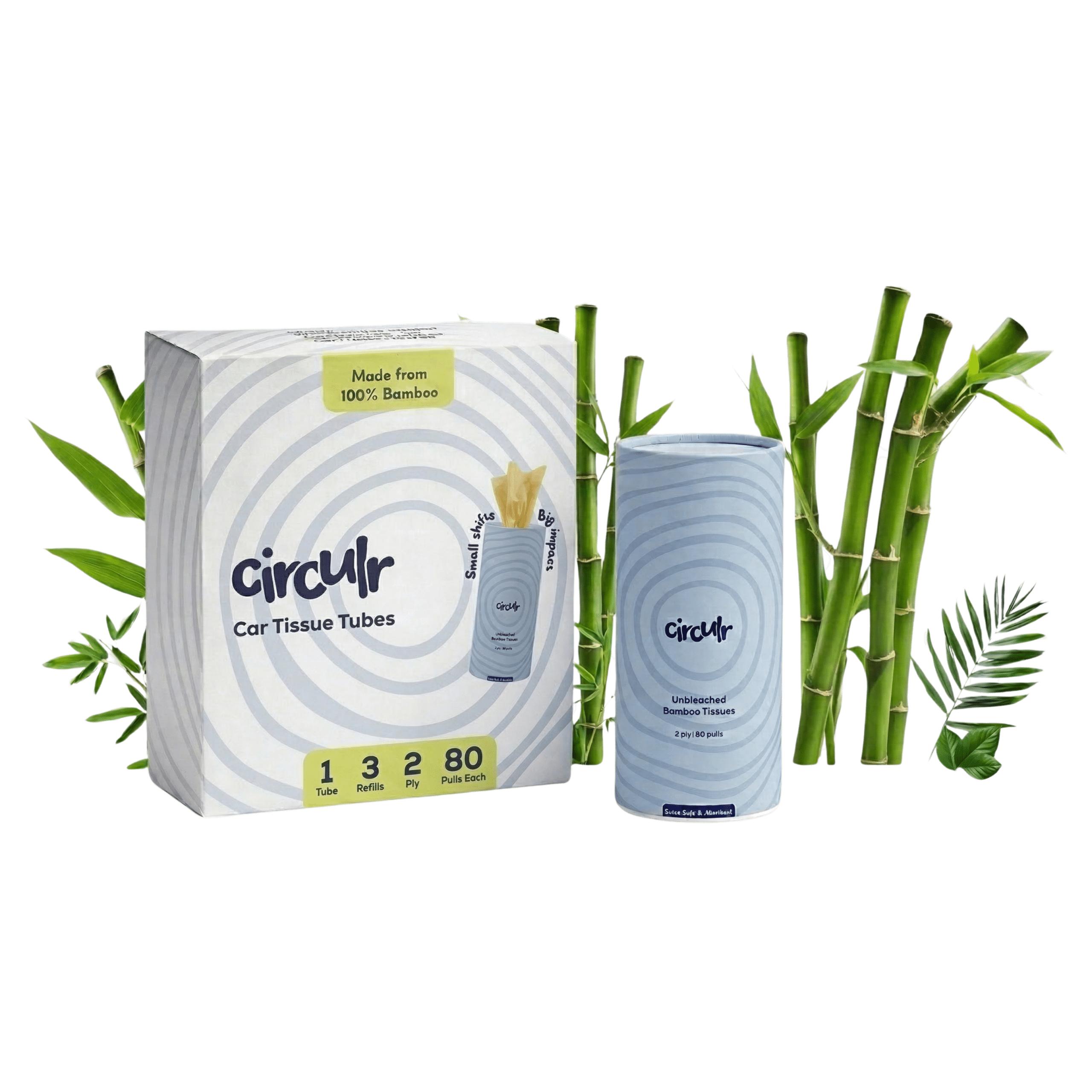
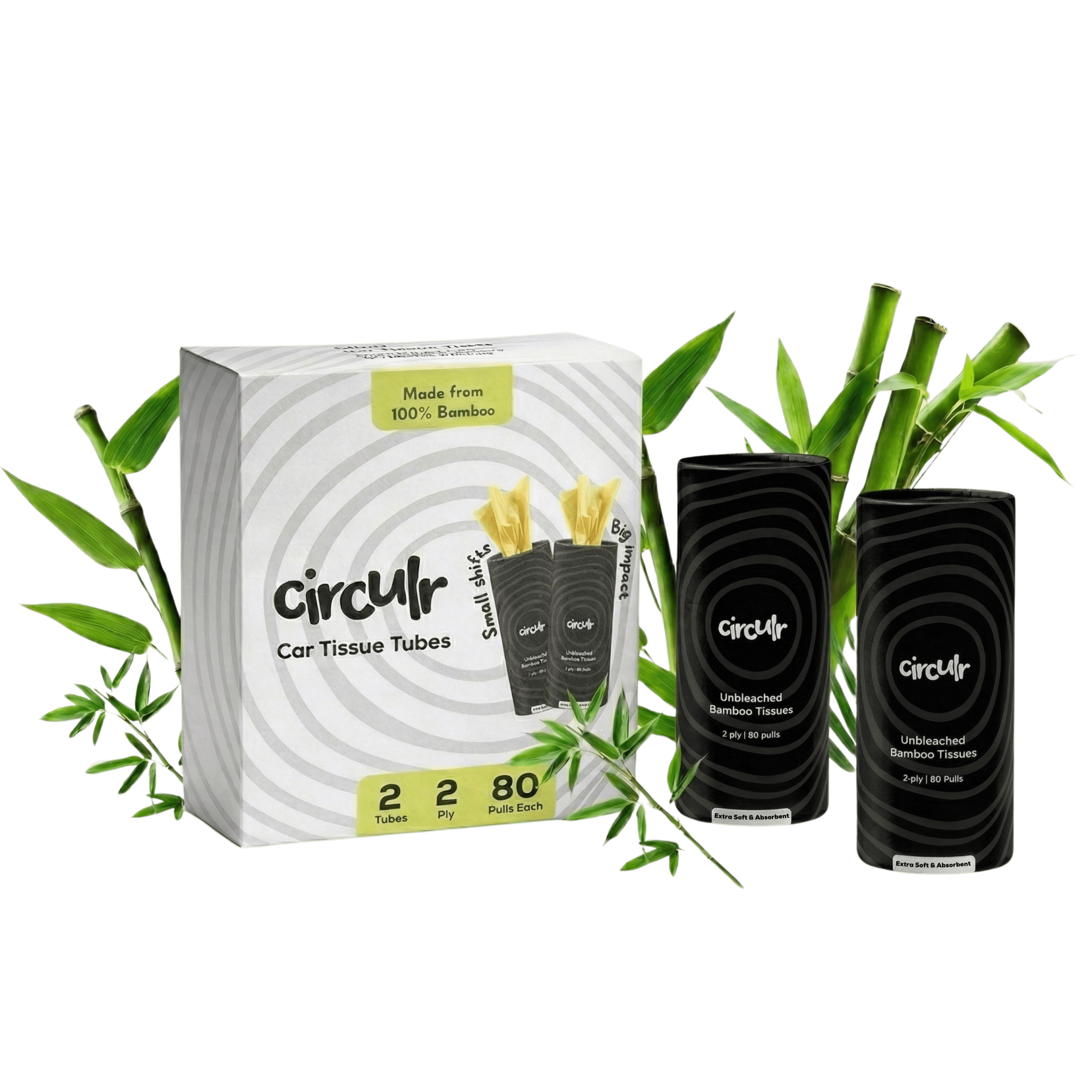
Packaging is everywhere. From food delivery to household products, it protects and delivers items safely. But most packaging is used once and thrown away. This creates massive waste. That is why sustainable packaging is becoming essential for a cleaner future.
Switching to eco friendly packaging is one of the most effective ways to reduce environmental damage at scale.
Why Packaging Is A Major Environmental Problem
Traditional packaging relies heavily on plastic. It is cheap and durable, but harmful to the environment.
Key issues include:
- Single-use plastic waste
- Long decomposition time
- Microplastic pollution
- Landfill overflow
This makes environmentally friendly packaging a necessary solution.
What Is Sustainable Packaging?
Sustainable packaging refers to materials and designs that reduce environmental impact. It focuses on reuse, recycling, and safe decomposition.
Types of eco packaging include:
- Biodegradable packaging that breaks down naturally
- Compostable packaging that turns into organic matter
- Recyclable paper and cardboard
- Reusable packaging systems
These solutions support long-term sustainability.
The Difference Between Biodegradable And Compostable
Understanding material types helps in making better choices.
- Biodegradable packaging breaks down over time
- Compostable packaging breaks down quickly under proper conditions
- Compostable materials leave no toxic residue
- Biodegradable materials may take longer and vary in quality
Choosing the right type improves waste management.
Reducing Plastic Waste With Sustainable Alternatives
Lower Carbon Footprint In Production
Supporting Circular Economy Systems
Improving Brand Responsibility
Consumer Demand Is Driving Change
Practical Examples Of Sustainable Packaging
Challenges In Sustainable Packaging
How You Can Support Sustainable Packaging
Packaging That Protects More Than Products