




Your cart is currently empty!.
You may check out all the available products and buy some in the shop.
Continue Shopping Sustainable Living on a Budget: Smart Swaps That Actually Save Money
There’s a persistent myth that sustainable living is expensive. That going green means paying a premium — for organic products, ethical brands, imported bamboo everything, and a lifestyle that only certain income brackets can afford.
This myth is both wrong and damaging. It keeps people who genuinely care about the environment from making changes because they assume they can’t afford to. And it distracts from a fundamental truth: many of the most impactful sustainable swaps don’t cost more. They cost less.
The reality is that a significant portion of what we spend money on every month goes toward things we use once and throw away — single-use packaging, disposable products, food that gets wasted, and items replaced far sooner than they should be. Sustainability, at its core, is about using less, using better, and using longer. And that almost always saves money.
This blog breaks down the smart, budget-friendly eco swaps that reduce your environmental footprint and your monthly spending — simultaneously.
The consumer economy is built on disposability. Products designed to be used once, packaging designed to be discarded, appliances designed to need replacing. Every disposable item you buy represents money spent on something that delivers no long-term value.
Sustainable living pushes back against exactly this model. It favors:
Each of these principles, applied consistently, reduces both waste and expenditure. The upfront cost of a sustainable swap is sometimes higher — but the lifetime cost almost always comes out lower.
The key is thinking in terms of cost per use, not cost per purchase.
The kitchen is where most households spend the most on disposable and single-use items — and where budget sustainable living delivers the fastest financial returns.
Cloth towels instead of paper towels: A roll of paper towels costs ₹80–₹150 and lasts a week or two in an active kitchen. A set of cotton cloth towels — or simply repurposed old cotton clothing cut into squares — costs nothing if you use what you have, or very little if you buy new. Wash and reuse indefinitely. Annual saving: ₹2,000–₹4,000 for a typical household.
Compost instead of buying soil conditioner: Starting a kitchen compost system costs under ₹200 for a basic setup. Over time, it produces nutrient-rich compost for your plants — replacing purchased soil conditioners and plant food. It also dramatically reduces your wet waste output, making your dry waste cleaner and more recyclable.
Buy loose instead of packaged: Loose dal, rice, spices, and dry goods from your local kirana or mandi are almost always cheaper per kilogram than the same products in branded, packaged form. You pay for the packaging when you buy packaged goods — and then throw it away immediately. Buying loose removes that cost entirely.
Homemade cleaning products: A spray bottle of diluted white vinegar with lemon peel handles most surface cleaning tasks effectively. White vinegar costs ₹30–₹50 per litre. A branded multi-surface cleaner in a plastic bottle costs three to five times that and needs replacing regularly. The homemade version is cheaper, just as effective, and generates zero plastic waste.
Reusable water bottle: A stainless steel water bottle costs ₹300–₹800 and lasts years. A 1-litre packaged water bottle costs ₹20. If your household buys packaged water regularly, the bottle pays for itself within weeks. If you’re buying individual bottles on the go, it pays for itself faster still.
The bathroom is the room where the cost-per-use calculation most dramatically favors sustainable alternatives — because bar formats and safety razors simply last longer than their disposable counterparts.
Shampoo bar instead of bottled shampoo: A good shampoo bar costs ₹150–₹400 and lasts 60–80 washes — equivalent to two to three bottles of liquid shampoo. At the same wash count, the bar is almost always cheaper per wash, generates zero plastic, and doesn’t require a plastic bottle that needs replacing.
Soap bar instead of liquid body wash: This is one of the simplest and most financially obvious eco friendly swaps available. Liquid body wash in a plastic pump costs significantly more per use than a soap bar — and the bar generates no packaging waste. A ₹50–₹80 soap bar lasts as long as a ₹200–₹300 body wash bottle.
Safety razor instead of disposable razors: A quality safety razor costs ₹500–₹1,500 upfront. Replacement blades cost ₹5–₹15 each and last significantly longer than a disposable razor. Within three to six months, the safety razor has paid for itself — and for years afterward, you’re spending a fraction of what disposable razors cost. Zero plastic cartridges. Zero plastic packaging.
Reusable cotton rounds instead of disposable: A pack of disposable cotton rounds costs ₹80–₹150 and runs out within weeks. A set of washable cotton rounds costs ₹200–₹400 and lasts years. The saving compounds month after month for as long as you use them.
Bar toothpaste or tooth powder in glass: Conventional toothpaste in a plastic tube costs ₹50–₹150 and generates a non-recyclable tube every month or two. Tooth powder in a glass jar or toothpaste tablets in a refillable container often cost the same or slightly more upfront — but glass and metal containers don’t need replacing, only the product inside is refilled or repurchased.
Beyond the kitchen and bathroom, sustainable choices across the home and lifestyle generate significant long-term financial savings — particularly in energy, clothing, and consumption habits.
LED bulbs: If your home still has incandescent or CFL bulbs, switching to LED reduces electricity consumption for lighting by up to 80%. LEDs also last 15,000–25,000 hours compared to 1,000 hours for incandescent bulbs. The upfront cost is recovered within months through lower electricity bills, and the bulb doesn’t need replacing for years.
Unplugging standby devices: Standby power — the electricity drawn by devices left plugged in but not in active use — can account for 5–10% of a household’s electricity bill. Switching off at the plug costs nothing and reduces your monthly bill consistently.
Buy second-hand before buying new: Furniture, appliances, clothing, books, kitchenware — the second-hand market in India, through local markets, online platforms, and community networks, offers excellent quality at a fraction of new prices. Buying pre-owned is one of the most financially and environmentally sound choices available.
Repair before replacing: A tailor who fixes a torn seam charges ₹20–₹50. A cobbler who resolves a broken sole charges ₹50–₹100. A technician who repairs an appliance costs a fraction of a replacement. Repair culture isn’t just sustainable — it’s financially intelligent. Most Indian cities still have strong repair ecosystems; use them.
Meal planning to eliminate food waste: The average Indian household wastes a meaningful percentage of the food it buys — through over-purchasing, poor storage, and lack of planning. Planning meals weekly around what’s already in your fridge and pantry before shopping reduces food expenditure directly. Food waste is money wasted; reducing it is money saved.
The most important shift in budget sustainable living isn’t a product swap — it’s a question swap.
Instead of asking “how much does this cost?” ask “how long will this last and what is the cost per use?”
Apply this question to every purchase:
Product | Single-Use Cost | Sustainable Alternative | Lifetime Cost |
Paper towels (monthly) | ₹100–₹150/month | Cloth towels (one-time) | ₹200–₹300 total |
Disposable razors | ₹100–₹200/month | Safety razor + blades | ₹50–₹100/month after initial |
Bottled shampoo | ₹200–₹400/2 months | Shampoo bar | ₹150–₹400/3–4 months |
Packaged water (daily) | ₹600+/month | Steel bottle + filtered water | ₹400–₹800 one-time |
Plastic scrubbers | ₹30–₹50/month | Coir scrubber | ₹20–₹40/month, biodegradable |
The pattern is consistent: the sustainable option costs more once and less forever after.
This reframe is what separates people who find sustainable living financially liberating from those who find it expensive. The upfront cost is real. The lifetime saving is more real.
Sustainable living on a budget isn’t a compromise — it’s a strategy. The households that have genuinely reduced their environmental footprint are, in most cases, also spending less than they were before. Because the habits are the same: buy less, buy better, make it last, fix it when it breaks.
The eco swaps that save money aren’t niche or complicated. They’re cloth instead of paper, bars instead of bottles, loose instead of packaged, repair instead of replace. They’re accessible, available across India, and financially smarter than the disposable alternatives they replace.
Start with one swap that costs you money right now — the thing you’re replacing most often. Find its sustainable alternative. Make the switch. Let the saving accumulate.
That’s where budget sustainable living begins. And once you see the saving on one swap, the next one becomes obvious.
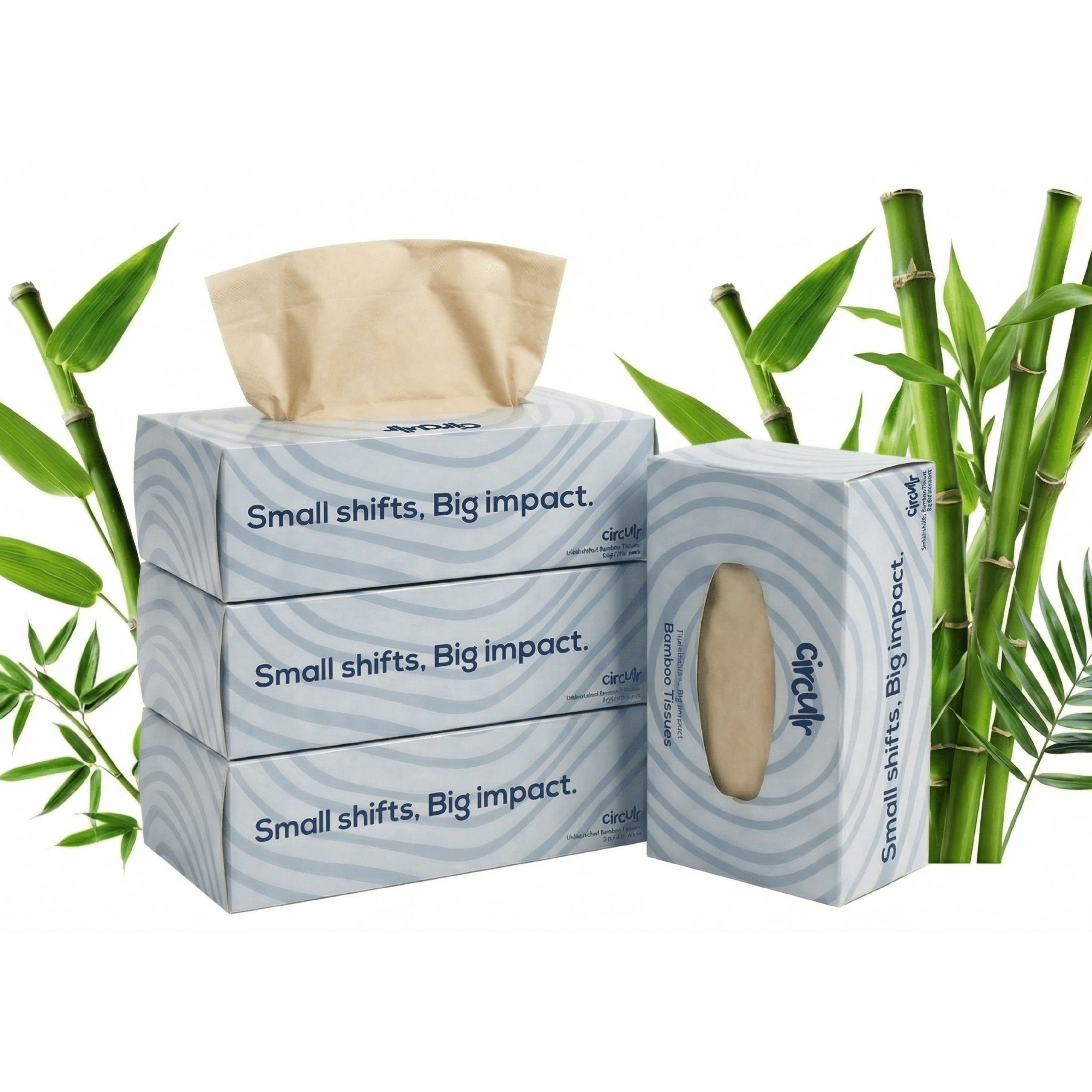
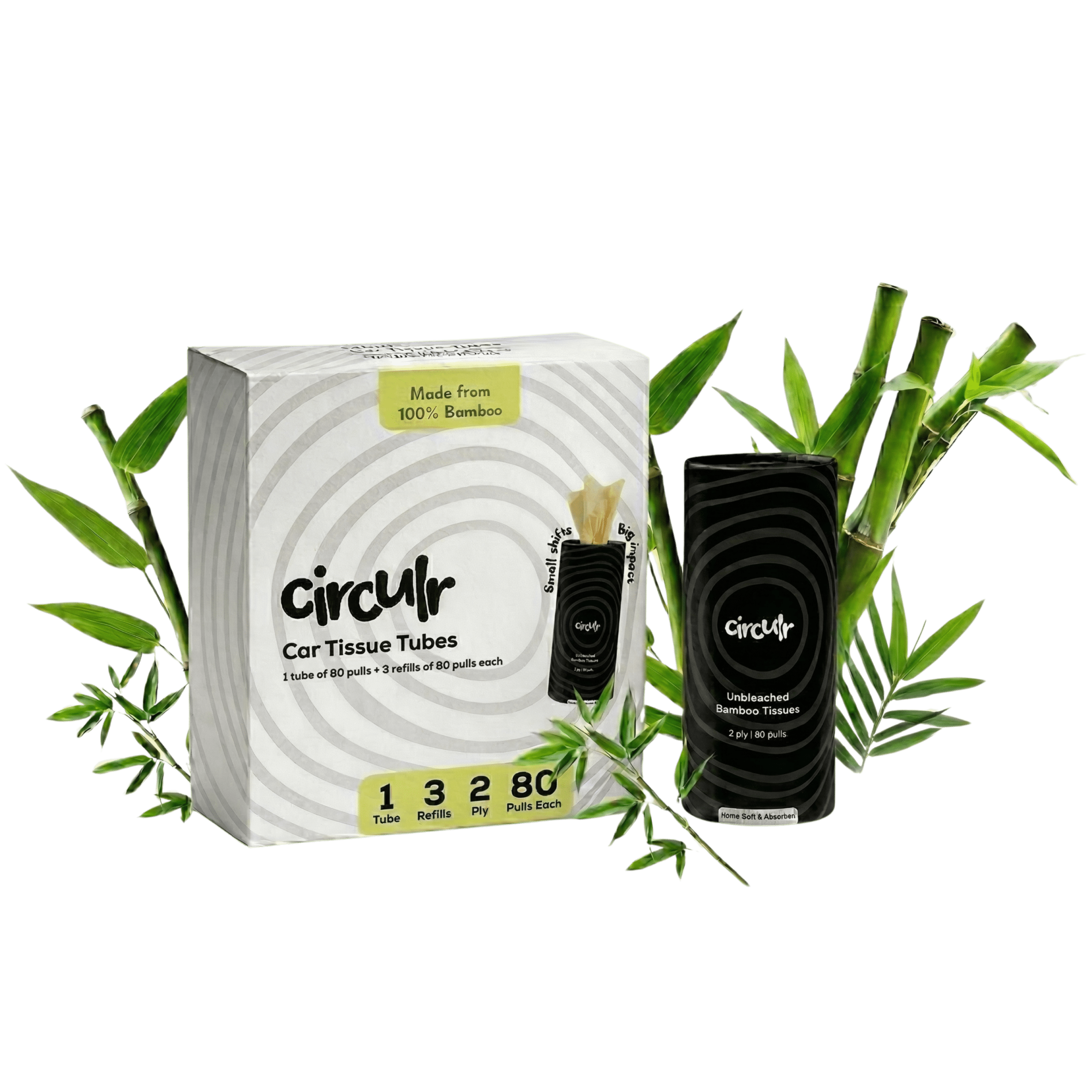
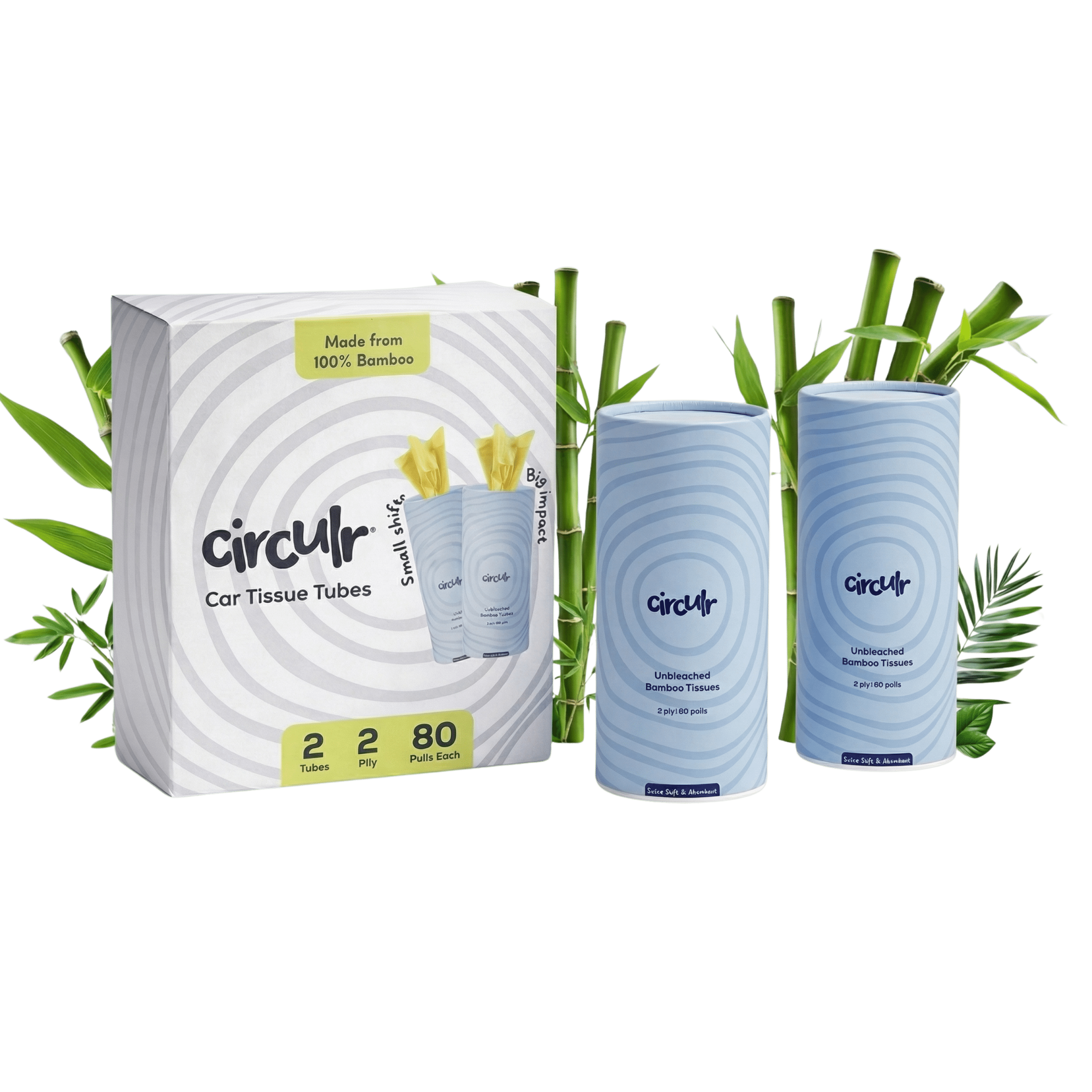
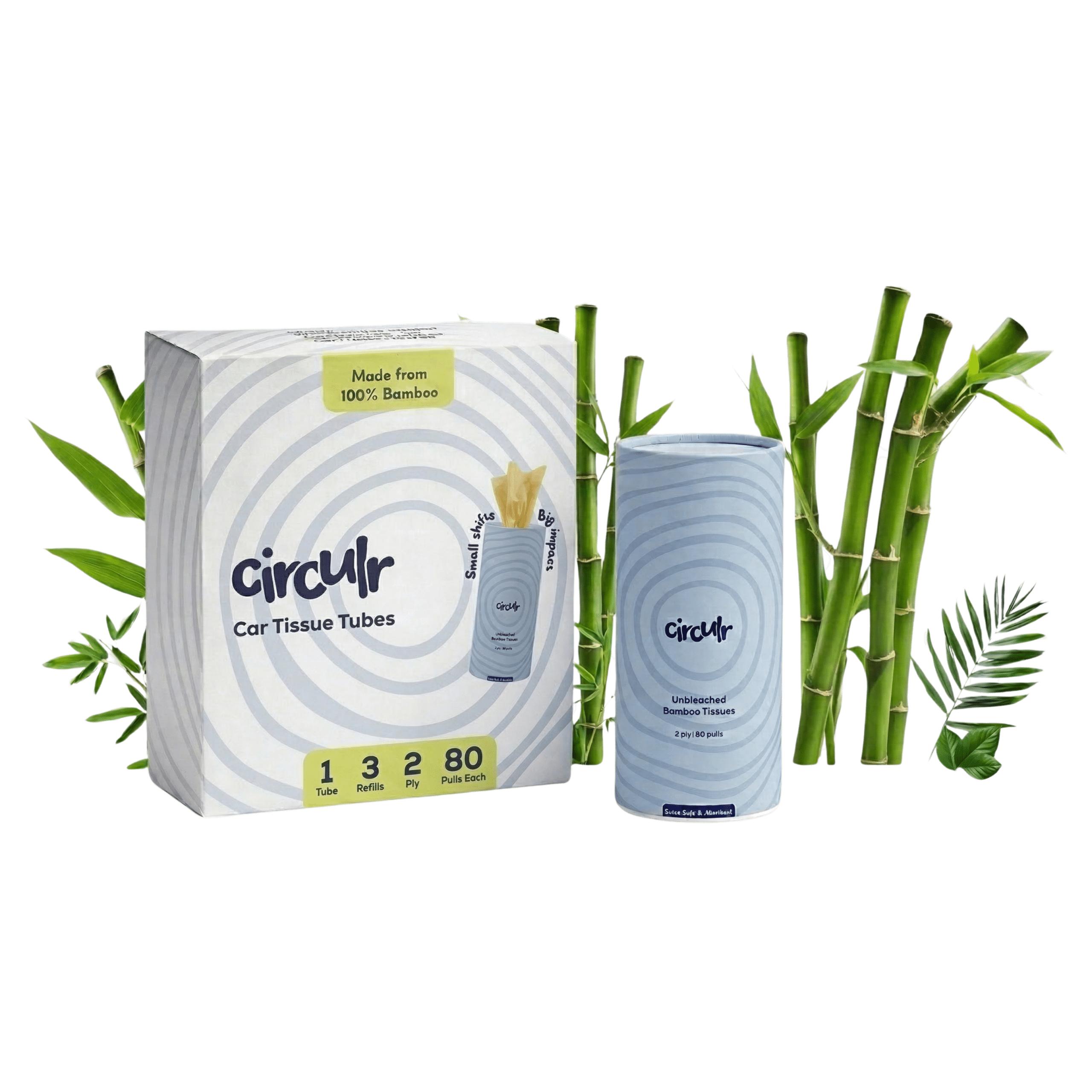
At Circulr, we believe sustainable living should be accessible to every household — regardless of budget. Explore our range of affordable eco friendly products designed to save you money over time while reducing your environmental footprint. Make the smart swap today.