



Your cart is currently empty!.
You may check out all the available products and buy some in the shop.
Continue Shopping
A generational shift is reshaping how homes get stocked. Sustainable living Indian millennials are embracing isn’t loud or performative — it’s practical, steady, and increasingly the default.
This shift is less about grand statements and more about quietly choosing better defaults for the products used every single day.
Several factors position millennials uniquely to drive this change across Indian households.
This combination is fueling steady growth among eco conscious millennials India represents across urban and semi-urban areas.
Unlike older narratives around dramatic lifestyle overhauls, millennial sustainability often looks remarkably ordinary from the outside.
It’s not about a visibly “green” home — it’s about the materials behind ordinary-looking products quietly being better.
This approach shapes how green products for millennials India brands are increasingly designed and marketed.
Despite genuine environmental concern, convenience remains a non-negotiable factor for busy, working millennials.
This practical filter shapes most millennial sustainable shopping India decisions more than idealism alone.
Millennials are more likely than previous generations to research a brand before committing to a purchase, especially for recurring household items.
This habit supports genuine conscious consumerism India trends, where brand transparency directly influences buying decisions.
Sustainability conversations often focus on big-ticket items like electric vehicles or solar panels. But everyday essentials quietly matter just as much.
This is why eco friendly home products millennials are choosing increasingly focus on these overlooked categories.
Beyond the product itself, millennials often evaluate the brand’s broader story and transparency before committing long-term.
These expectations are raising the bar for sustainable brands India millennials engage with regularly.
Bamboo fits neatly into millennial expectations — genuinely sustainable, reasonably priced, and easy to source without extra effort.
This alignment explains growing interest in bamboo products young India consumers are adopting as a default, not a novelty purchase.
Interestingly, millennial household choices often influence older family members as well, creating a ripple effect beyond just one generation.
Parents and in-laws sometimes adopt these same product swaps after noticing them in a millennial-led household, extending the impact further than expected.
Millennials often trust recommendations from peers and online reviews more than traditional advertising when evaluating new sustainable brands.
This dynamic reinforces organic growth in eco conscious millennials India communities, spreading through trust rather than marketing spend alone.
Brands hoping to capture millennial loyalty need to prioritize genuine transparency over polished but vague sustainability messaging.
This generation tends to research claims rather than accept them at face value, making authenticity a genuine competitive advantage.
This expectation shapes how successful sustainable brands India millennials support tend to communicate and operate.
As millennials continue establishing independent households and gaining purchasing influence, their preferences will likely continue shaping mainstream product standards.
This trajectory suggests the quiet sustainability shift millennials are driving today will increasingly become the default expectation across Indian households more broadly.
While early adoption often concentrates in major metros, similar patterns are increasingly appearing in smaller cities as awareness and product availability spread further.
This broader geographic spread suggests the millennial-led shift isn’t confined to urban bubbles, but is gradually becoming a nationwide pattern across India.
As availability improves in smaller cities and towns, this pattern will likely continue accelerating well beyond its current metro-centric roots across the country.
Are millennials really driving this shift, or is it overstated? Purchasing data and brand growth patterns support genuine millennial-led demand.
Do millennials prioritize sustainability over price? Usually not exclusively — value and performance remain equally important factors.
Is this trend likely to continue growing? Yes, as more millennials establish independent households over time.
As millennials move into more senior household and purchasing decision-making roles over time, their current habits are likely to shape mainstream retail standards further.
This long-term trajectory suggests today’s quiet shift will increasingly influence what “normal” household essentials look like across India in the years ahead.
This generational shift isn’t loud, but it’s steady and increasingly permanent. Home essentials are quietly being redefined, one purchase at a time.
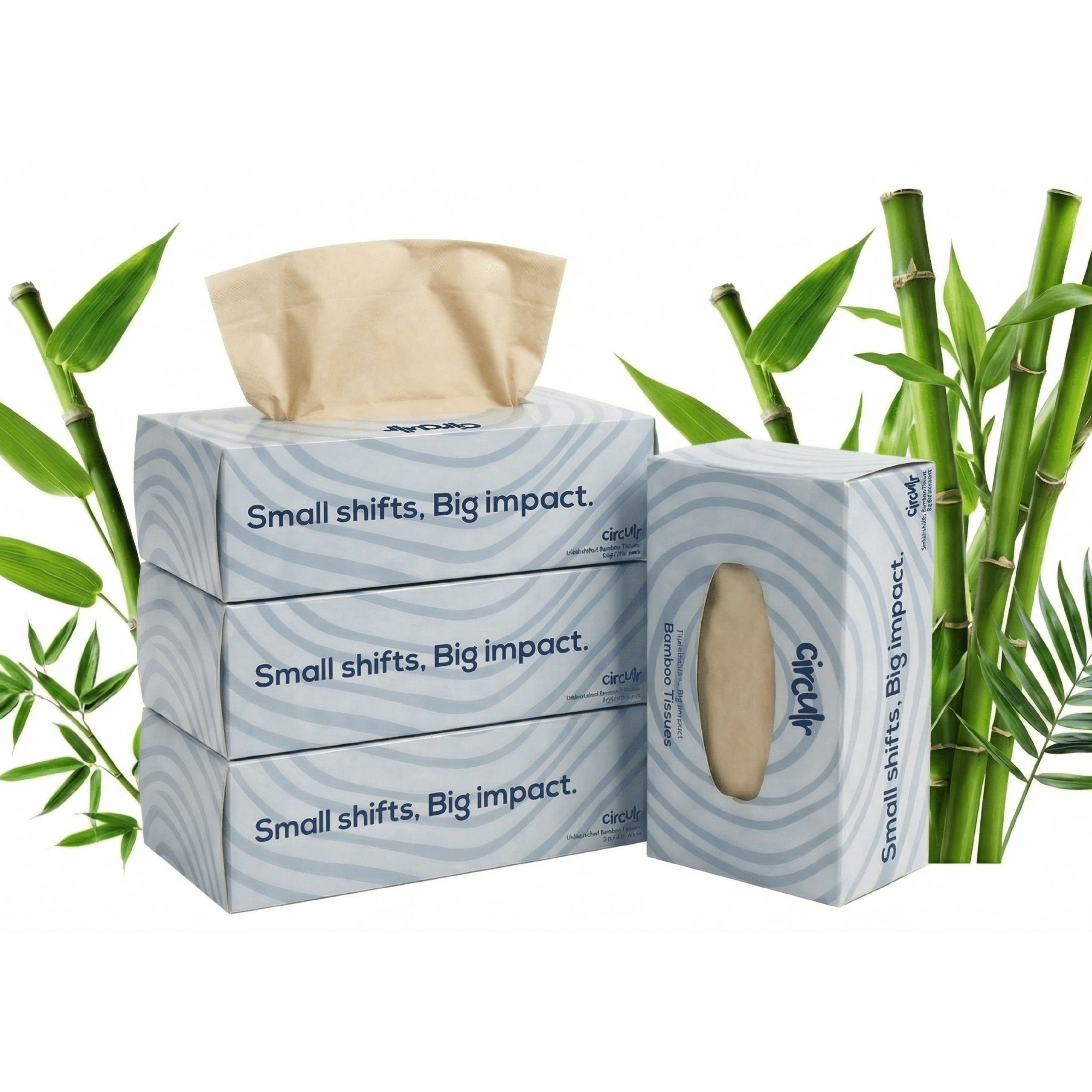
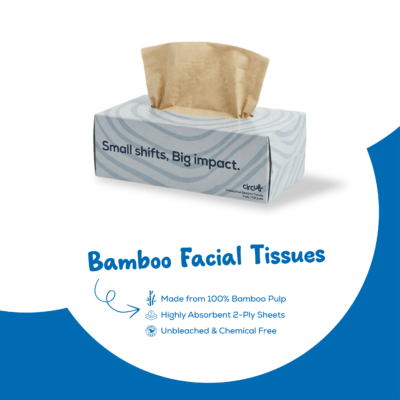
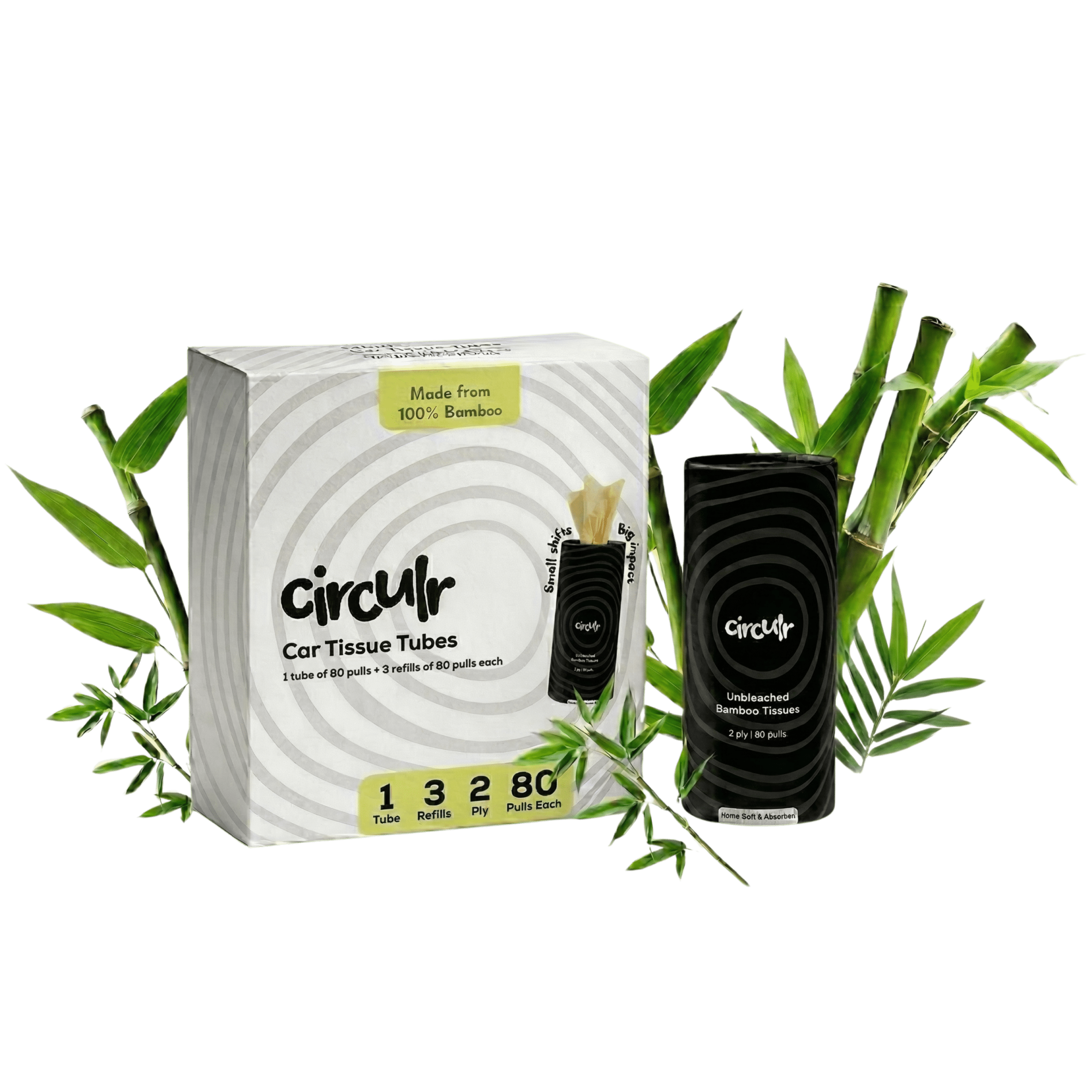
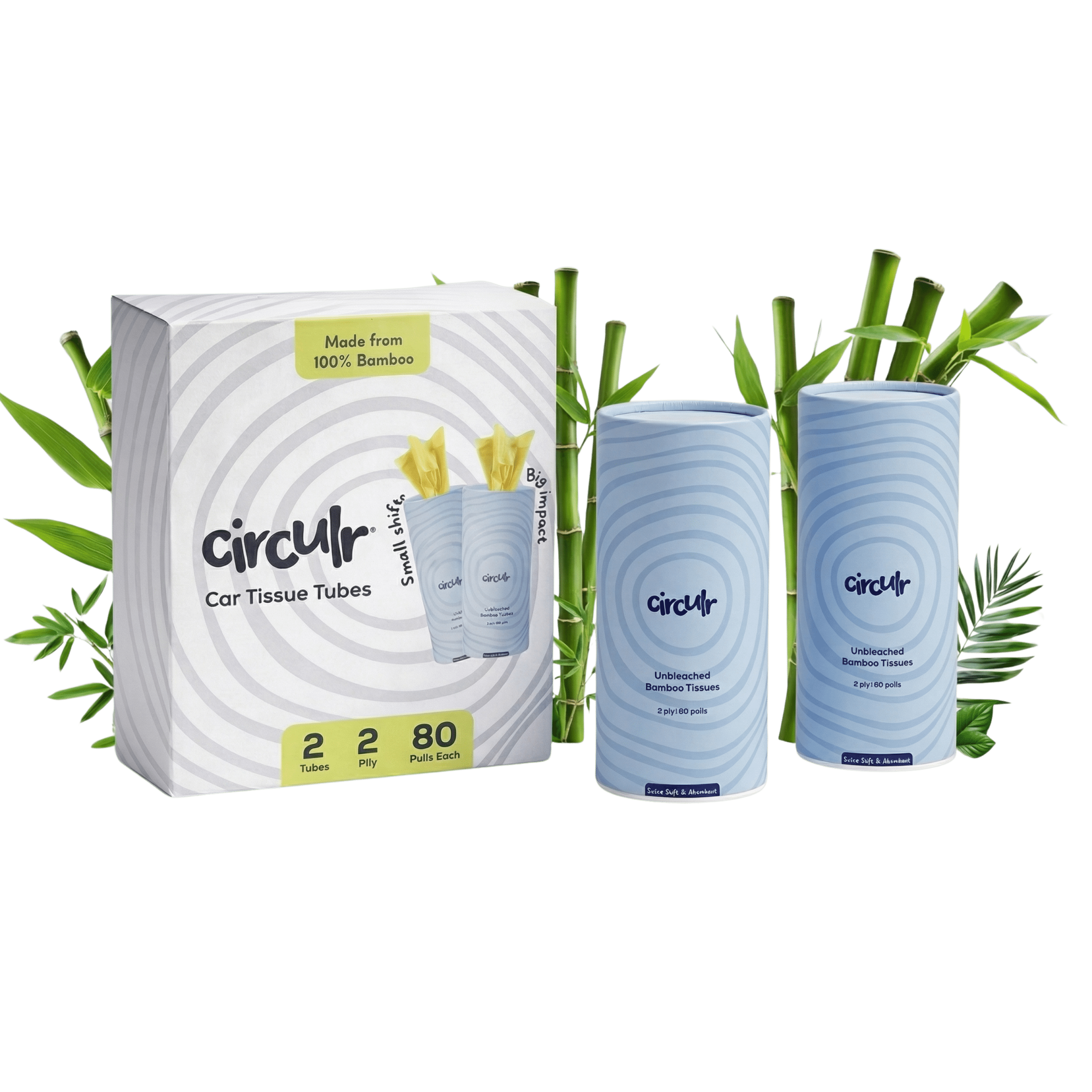
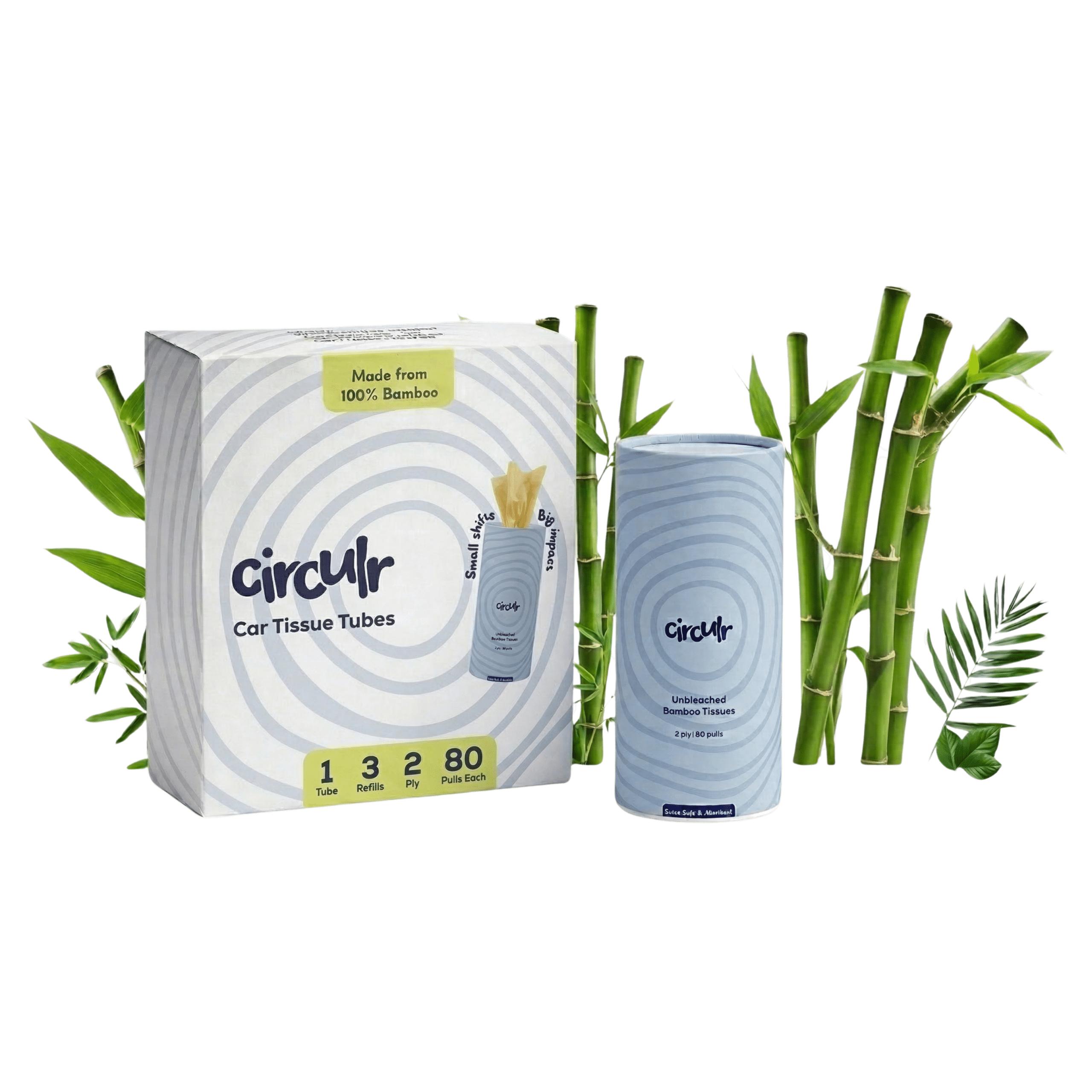
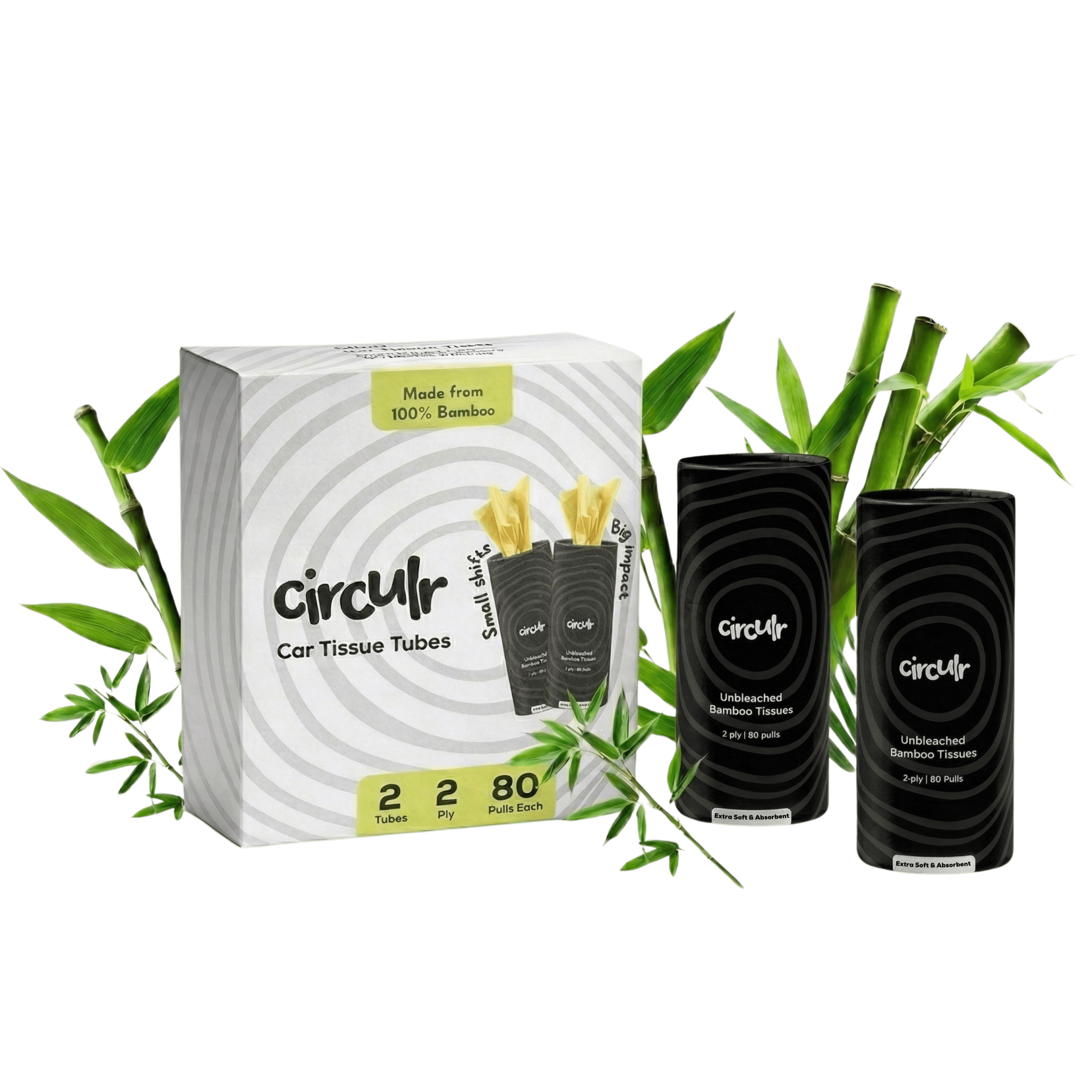
Circulr fits directly into this movement, offering the kind of practical, quality-driven sustainability that resonates with how millennials actually shop.