






Your cart is currently empty!.
You may check out all the available products and buy some in the shop.
Continue Shopping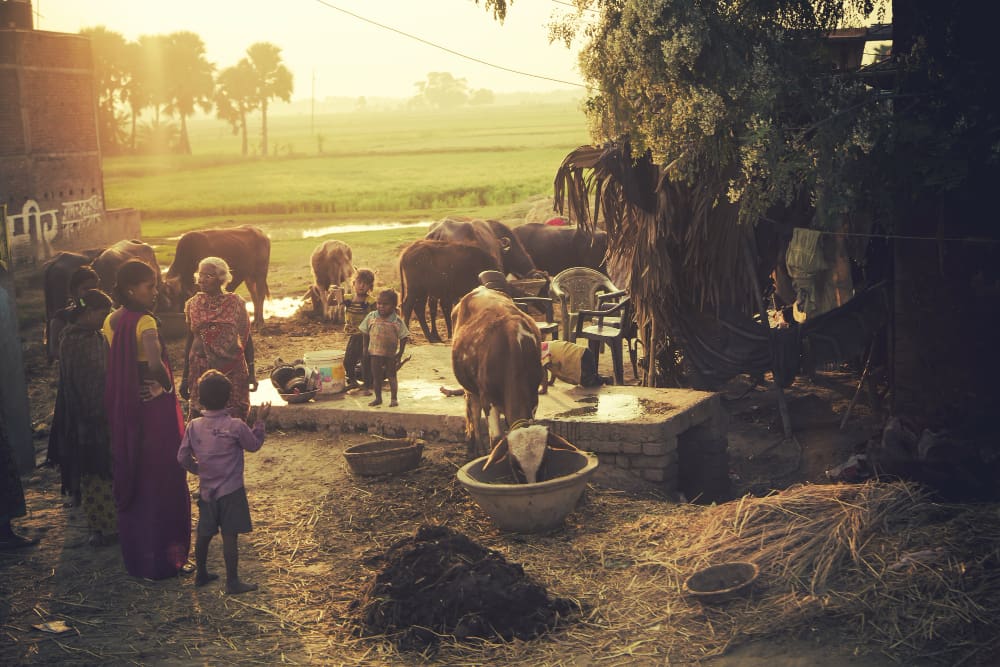
Sustainability in India often gets portrayed as a premium lifestyle. Expensive bamboo products, imported organic groceries, fancy zero-waste kits — the way it’s packaged online can make it feel like something only certain households can afford.
But here’s the truth: the most sustainable practices in India aren’t new. They’re what Indian middle-class homes have been doing for generations — reusing containers, buying loose groceries, drying clothes in the sun, cooking fresh food daily. Somewhere along the way, convenience culture made us forget that.
This blog is a practical guide for Indian households that want to live more sustainably without spending more than they already do. No expensive imports. No lifestyle overhaul. Just smart, affordable shifts that work within a real budget.
The perception that eco-friendly living is expensive comes from how it’s marketed, not from what it actually requires.
Yes, some sustainable products cost more upfront. A stainless steel bottle costs more than a plastic one on day one. But it lasts years — while the plastic bottle gets replaced repeatedly. Over time, the “expensive” option is almost always cheaper.
The affordability problem in sustainable living is largely a framing problem. When you zoom out from the single purchase to the full cost over time, sustainable choices frequently save money.
The real question isn’t “can I afford to live sustainably?” It’s “what does sustainability actually cost — and what am I already doing that counts?”
For most Indian middle-class homes, the answer is: more than you think.
Before adding anything new, it’s worth recognizing what’s already embedded in Indian household culture that is deeply sustainable.
The Indian kitchen:
Shopping habits:
At home:
These are not small things. In global sustainability terms, these habits represent a significantly lower environmental footprint than the average Western household. The goal isn’t to rebuild from scratch — it’s to protect what already exists and fill in the gaps thoughtfully.
The highest-impact swaps aren’t always the most expensive. Here are low cost sustainable living changes that work specifically within Indian households and budgets.
In the Kitchen:
In the Bathroom:
For Cleaning:
For Shopping:
None of these require a significant investment. Most cost the same or less than what they replace.
When money is tight, sustainability has to be strategic. Not every swap is equal — some have far more impact than others.
Prioritize by waste volume first. Look at what fills your dustbin fastest. For most Indian homes, it’s food waste and plastic packaging. A compost bin and a commitment to buying loose over packaged tackles both — at minimal cost.
Then prioritize by frequency. Things you use every day — cleaning products, personal care, cooking supplies — are where swaps compound fastest. A bar soap used daily creates far more impact over a year than a specialty sustainable product used once a month.
Avoid the trap of buying sustainable products to replace things that haven’t run out. This is one of the most common and counterproductive eco mistakes. Using what you already have — finishing the shampoo bottle, the pack of plastic bags, the cleaning spray — before switching is the genuinely sustainable choice. The most eco-friendly product is the one already in your home.
Buy second-hand before buying new. India has a strong culture of second-hand buying — through local markets, online listings, and family networks. Furniture, appliances, clothing, books — buying pre-owned is one of the highest-impact and lowest-cost sustainable choices available.
Affordable sustainable living in India isn’t about buying a curated set of eco products. It’s about shifting from a disposability mindset to a durability mindset.
Disposability culture — the idea that things are meant to be used once and thrown away — is expensive, both financially and environmentally. The alternative is choosing things that last, repairing what breaks, and valuing what you already have.
This mindset is actually native to Indian middle-class culture. The steel dabba your grandmother used for 30 years. The cotton saree repurposed into a curtain, then into cleaning rags. The pressure cooker that’s been in the family for two decades.
Modern convenience culture tried to replace all of that with disposable alternatives — and sold it as progress. Sustainability, in many ways, is a return to what Indian homes already knew.
A few principles to carry forward:
These aren’t new ideas. They’re just good ones.
Sustainable living in India doesn’t require a premium budget — it requires a shift in perspective. The most impactful changes are often the least expensive: segregating waste, composting food scraps, buying loose, using what you have, and returning to the durable, reusable habits that Indian households have always practiced.
The eco-friendly products worth investing in are the ones that replace something you buy repeatedly. Everything else is secondary.
Start with one room. Start with one habit. Protect what your household already does well — and build from there. Sustainability for Indian middle-class homes isn’t a lifestyle upgrade. It’s a return to something that was never broken in the first place.
At Circulr, we believe sustainable living should be accessible to every Indian household — not just a privileged few. Explore our range of affordable sustainable products designed for real Indian homes, real budgets, and real impact. Start small. Start today.