




Your cart is currently empty!.
You may check out all the available products and buy some in the shop.
Continue Shopping Made in India vs Imported Eco Products: What’s Truly More Sustainable?
Walk into any sustainability-focused online store in India and you’ll find a mix: bamboo toothbrushes made in India, beeswax wraps imported from Europe, organic cotton bags from local artisans, and stainless steel bottles manufactured domestically sitting alongside imported Scandinavian designs.
The eco credentials on all of them look similar. The price points differ significantly. But which one is actually more sustainable?
This is a question most conscious consumers in India haven’t fully thought through — because the sustainability conversation tends to focus on what a product is made of, not where it came from, who made it, or how far it travelled to reach you.
This blog breaks down the real sustainability calculus behind local versus imported eco products — so you can make purchasing decisions that align with your values, not just your aesthetics.
When you buy an eco product imported from Europe, North America, or even Southeast Asia, the environmental cost doesn’t begin at the product itself. It begins the moment that product enters a global supply chain.
Transportation emissions are significant — and largely invisible to the consumer.
A bamboo toothbrush manufactured in Bengaluru and sold in Mumbai has a fundamentally different carbon footprint from the same toothbrush manufactured in China or imported from a European brand — even if both are made from the same materials.
The carbon footprint of a product isn’t just what went into making it. It includes every kilometre it travelled to reach you.
The phrase “Made in India” covers an enormous range — from large-scale factories with questionable labor practices to small artisan workshops using traditional techniques that have been sustainable for centuries.
Not all Indian-made products are equally sustainable. But the category has structural advantages that imported products simply cannot match.
The case for locally made eco products in India:
Traditional Indian craft industries — terracotta pottery, handloom weaving, coir processing, brass and copper ware — have been producing durable, biodegradable, low-impact goods for generations. These aren’t just sustainable products. They’re living examples of circular economy thinking that predate the term by centuries.
Fairness requires acknowledging that “local” isn’t automatically superior in every dimension. There are scenarios where an imported product may genuinely be the more considered choice.
Technology and innovation gaps: Some sustainable technologies and formulations are not yet manufactured at quality or scale in India. Certain categories of water filtration, solar technology components, or specialized biodegradable materials may currently have better options available through international suppliers. As India’s sustainable manufacturing sector grows, these gaps are narrowing — but they exist.
Certification and transparency standards: Some imported products carry internationally recognized third-party certifications — Fair Trade, GOTS (Global Organic Textile Standard), B Corp, Cradle to Cradle — that provide verified assurance about ethical and environmental practices throughout the supply chain. Indian certification infrastructure is developing but not yet as mature in all categories.
Specific material sourcing: Certain raw materials used in sustainable products — specific plant-based dyes, particular organic fibres, or rare natural compounds — may only be available from specific regions globally. In these cases, the import may be justified by the material itself.
The honest assessment: These exceptions are real but narrow. For the vast majority of everyday sustainable products — personal care, kitchen, home, stationery, textiles — India has the raw materials, the craft heritage, and increasingly the manufacturing capability to produce excellent options domestically. The imported premium often reflects brand positioning and marketing more than genuine sustainability advantage.
Here is something worth saying plainly: many imported eco products sold in India are expensive not because they are more sustainable, but because they are foreign.
The “import premium” in the Indian sustainable products market is real and significant. Consumers often associate international origin with higher quality or greater credibility — and some brands exploit this perception without justification.
Signs that an imported eco product may not be worth the premium:
Greenwashing happens with Indian brands too. A product labelled “natural” or “eco friendly” in India doesn’t automatically meet a meaningful standard. The same scrutiny applies: look for ingredient transparency, material sourcing information, and honest claims about what makes the product genuinely less harmful.
The question to ask of any product — local or imported — is not “does it sound sustainable?” but “what is its actual impact across its full lifecycle?”
Given all of this, here is a practical framework for evaluating local versus imported eco products in India.
Ask these questions before you buy:
The most sustainable product is rarely the most expensively marketed one — and it’s rarely the one with the most foreign-sounding name. In most cases, for Indian consumers, a well-made, durable product from a transparent Indian manufacturer using locally sourced materials will have a lower overall environmental footprint than its imported equivalent.
India has the raw materials, the craft knowledge, the artisan communities, and increasingly the manufacturing capability to produce genuinely sustainable products across almost every category. Choosing them supports local livelihoods, reduces transport emissions, and keeps money within Indian supply chains.
That doesn’t mean blanket rejection of every imported product. It means applying the same rigorous scrutiny to both — and not assuming that foreign origin equals superior sustainability.
Buy informed. Buy local where you can. Buy durable always.
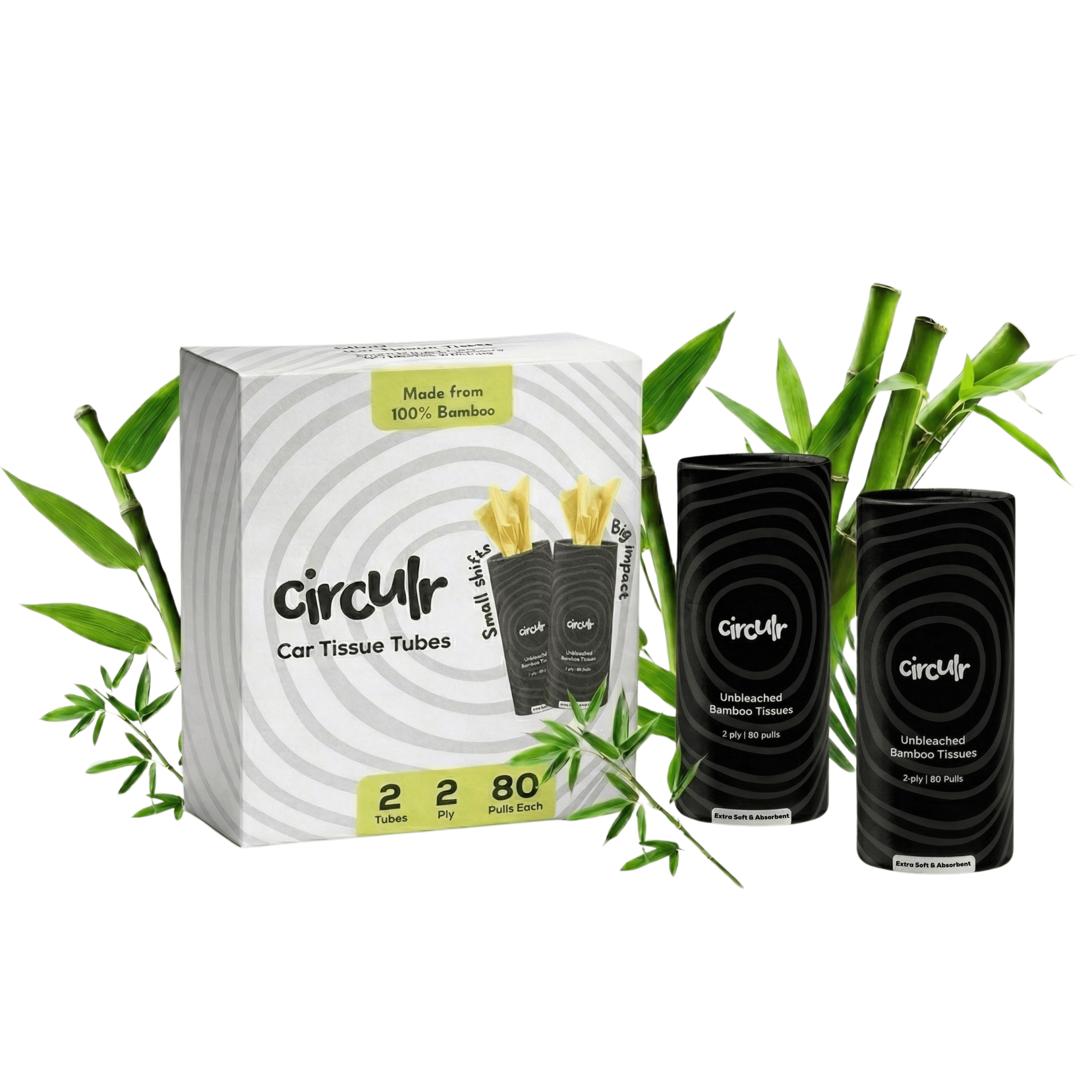
At Circulr, we’re committed to bringing you genuinely sustainable products — rooted in Indian materials, Indian craftsmanship, and full supply chain transparency. Explore our range of made-in-India eco products that don’t ask you to choose between quality and conscience. Shop with clarity. Shop with purpose.