



Your cart is currently empty!.
You may check out all the available products and buy some in the shop.
Continue Shopping How to Turn Your Home Into an Eco-Friendly System (Not Just Random Swaps)
You bought the bamboo toothbrush. You have the reusable bags. Maybe there’s a beeswax wrap somewhere in your kitchen drawer.
But your home still doesn’t feel sustainable. It feels like a patchwork of good intentions with no real structure behind it.
That’s the problem with the “random swap” approach to eco-friendly living. Individual product changes are a start — but they don’t add up to a system. And without a system, sustainable habits are hard to maintain, easy to forget, and almost impossible to scale.
This blog will show you how to stop making isolated swaps and start building a genuinely sustainable home — one that works as a whole, not just in parts.
A swap is replacing one product with a greener version. A system is designing your home so that sustainable choices are the default — automatic, easy, and consistent.
Here’s the distinction in practice:
Random Swap | System Thinking |
Buying a reusable water bottle | Having a filled bottle ready every morning as part of your routine |
Getting a recycling bin | Setting up clearly labeled waste stations in every room |
Switching to a bar shampoo | Reorganizing your bathroom so low-waste products are front and center |
Buying organic produce | Meal planning weekly to reduce food waste before it happens |
The swap gets you the product. The system gets you the behavior. And behavior is what actually reduces your environmental impact.
Building a zero waste home or a green home setup isn’t about having the right things — it’s about arranging your life so the right choices require the least effort.
Before buying anything new, understand where you are. A simple home eco audit helps you see where the most waste, energy, and impact is coming from — so you fix the right things first.
Walk through your home and ask:
Waste:
Energy:
Water:
Products:
This audit gives you a map. From here, you can prioritize the changes with the highest impact — not just the ones that are easiest to market to you.
The kitchen is where most household waste is generated — and where a sustainable home system has the highest return.
Set up a three-bin waste station:
When sorting is built into the space — bins side by side, clearly labeled — it becomes automatic. You stop thinking about it.
Reduce food waste with systems, not willpower:
Swap strategically in the kitchen:
Sustainable home products in the kitchen work best when they’re stored where you’ll actually use them — not tucked away in a cupboard.
Bathrooms are among the biggest sources of single-use plastic in the home. But they’re also one of the easiest rooms to redesign sustainably.
Build a low-waste bathroom system:
The goal is to make the sustainable option the one that’s easiest to reach. Rearrange your shelves if needed.
These spaces may feel less wasteful — but energy consumption tells a different story.
Energy system basics:
Sustainable home tips for the office:
Small adjustments here compound over months and years into meaningful energy savings.
Cleaning is one of the most chemical-heavy, plastic-heavy routines in any household. It’s also one of the most systemizable.
Build a green cleaning system:
For laundry specifically:
An eco-friendly home isn’t just about what you use — it’s about what you bring in.
A green home setup requires rethinking the front end of consumption, not just managing the waste at the back end.
Before every purchase, run through this:
Buying fewer, better things is one of the highest-impact sustainable home tips available — and it also saves money over time.
When you do buy new, choose sustainable home products from brands that are transparent about materials, manufacturing, and environmental commitments. Your purchases are signals. Make them count.
A sustainable home system only works if it’s maintained. Here’s how to keep it from slipping:
A truly eco-friendly home isn’t built from a collection of green products. It’s built from intentional systems — waste management, energy habits, purchasing decisions, and daily routines that are designed to make sustainable choices the path of least resistance.
Stop trying to swap your way to sustainability. Start designing a home that makes the right choice automatic.
Audit what you have. Fix the highest-impact areas first. Build room-by-room. And let the system do the work your willpower shouldn’t have to.
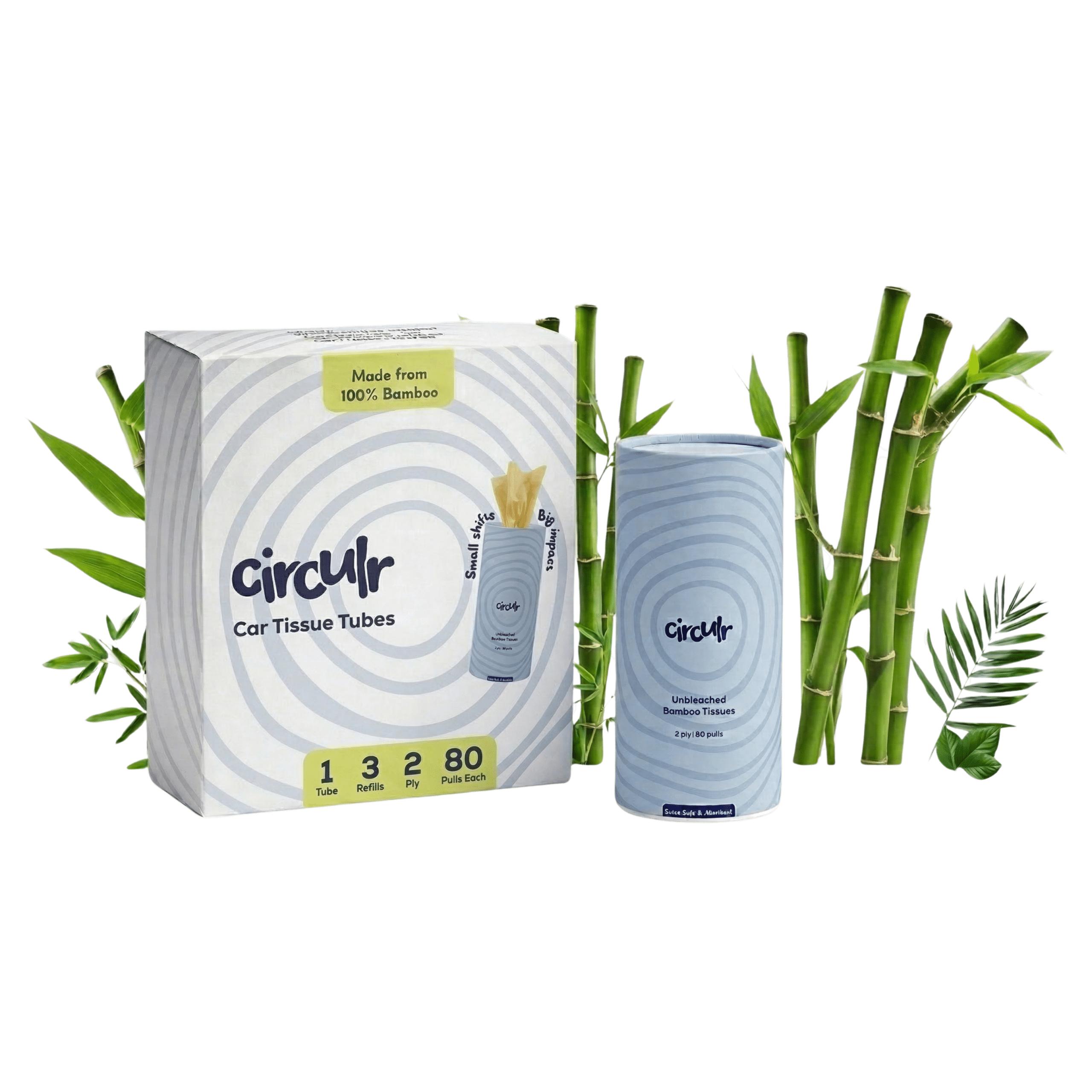
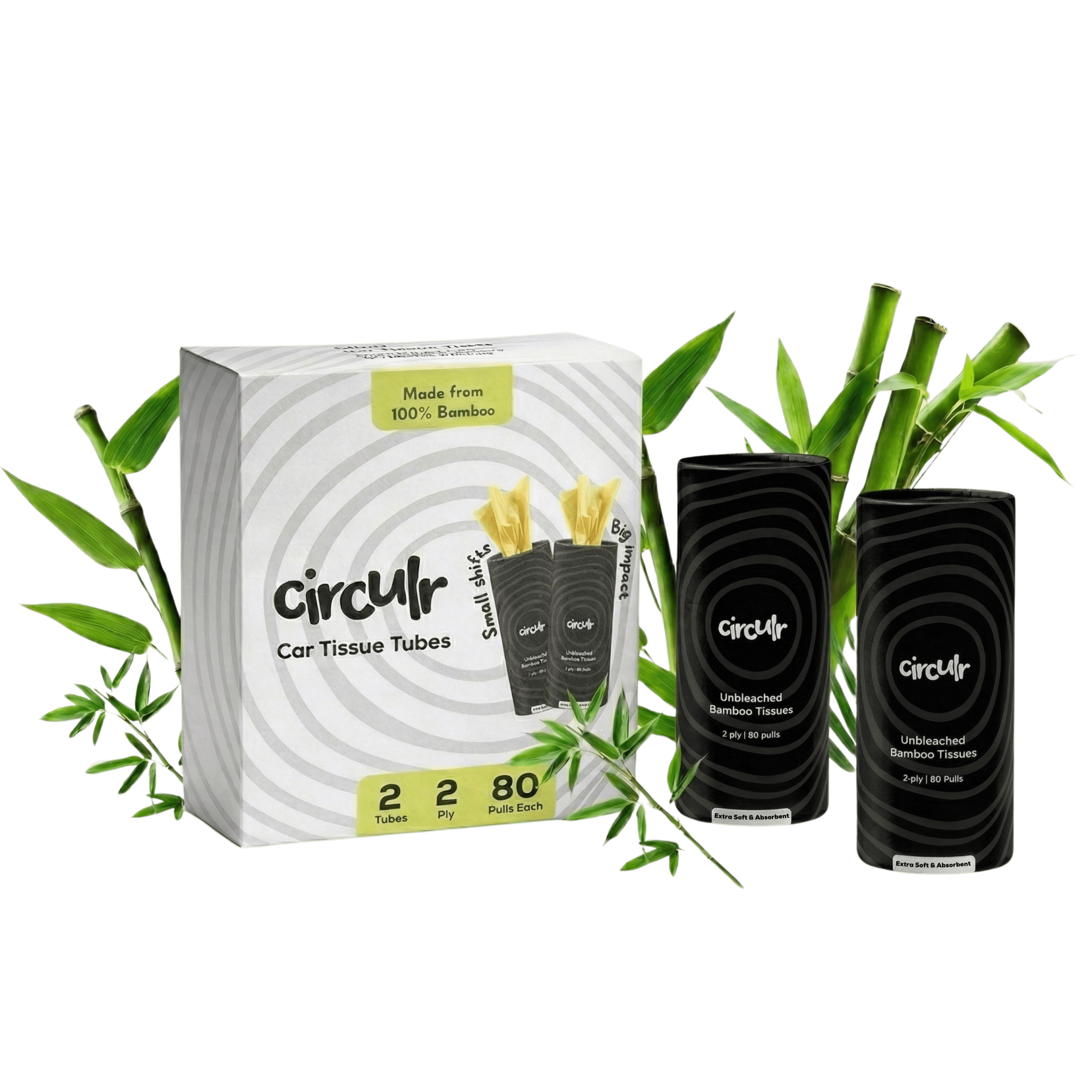
Circulr exists to make building a sustainable home simple, intentional, and genuinely effective. Explore our curated range of sustainable home products designed to fit into your everyday system — not just sit on a shelf looking good.