


Your cart is currently empty!.
You may check out all the available products and buy some in the shop.
Continue Shopping
Every online order arrives wrapped in layers. Boxes, bubble wrap, tape, and plastic fillers. It feels normal now. Yet behind this convenience lies a growing crisis. Packaging waste in India is rising faster than almost any other type of trash.
In this blog, you will learn why packaging waste exploded so quickly. You will also discover how sustainable packaging and smarter choices can turn the tide.
India’s shopping habits changed dramatically in recent years. Online buying became a daily routine.
Every delivery brings extra packaging. Most of it is used once and tossed.
This convenience comes at a cost. Packaging waste in India now grows year after year.
The problem is speed. Waste piles up faster than systems can manage it.
Online shopping is booming across India. Millions of parcels move every single day.
Each parcel carries protective packaging. Much of it is plastic-based.
Here is why e-commerce drives plastic packaging waste:
Convenience feels great for buyers. But the planet pays the hidden bill.
The numbers tell a worrying story. Packaging waste is no small issue.
India generates over 3.5 million tonnes of plastic waste yearly. Packaging is a leading contributor.
Consider these realities:
This is how plastic pollution in India keeps spreading. The waste outpaces the cleanup.
India’s waste management systems face heavy pressure. The volume is simply too high.
Sorting and recycling lag behind production. Much waste ends up mismanaged.
The main challenges include:
Fixing this needs more than cleanup. It requires cutting waste at the source.
The real solution starts before waste is created. Better packaging means less trash.
Sustainable packaging in India uses renewable, recyclable, or compostable materials. It breaks the single-use cycle.
Smart packaging choices include:
These shifts ease pressure on landfills. Prevention beats cleanup every time.
Brands matter, but buyers hold power too. Your choices shape the market.
Every conscious purchase sends a signal. Demand for greener packaging grows.
Simple steps you can take today:
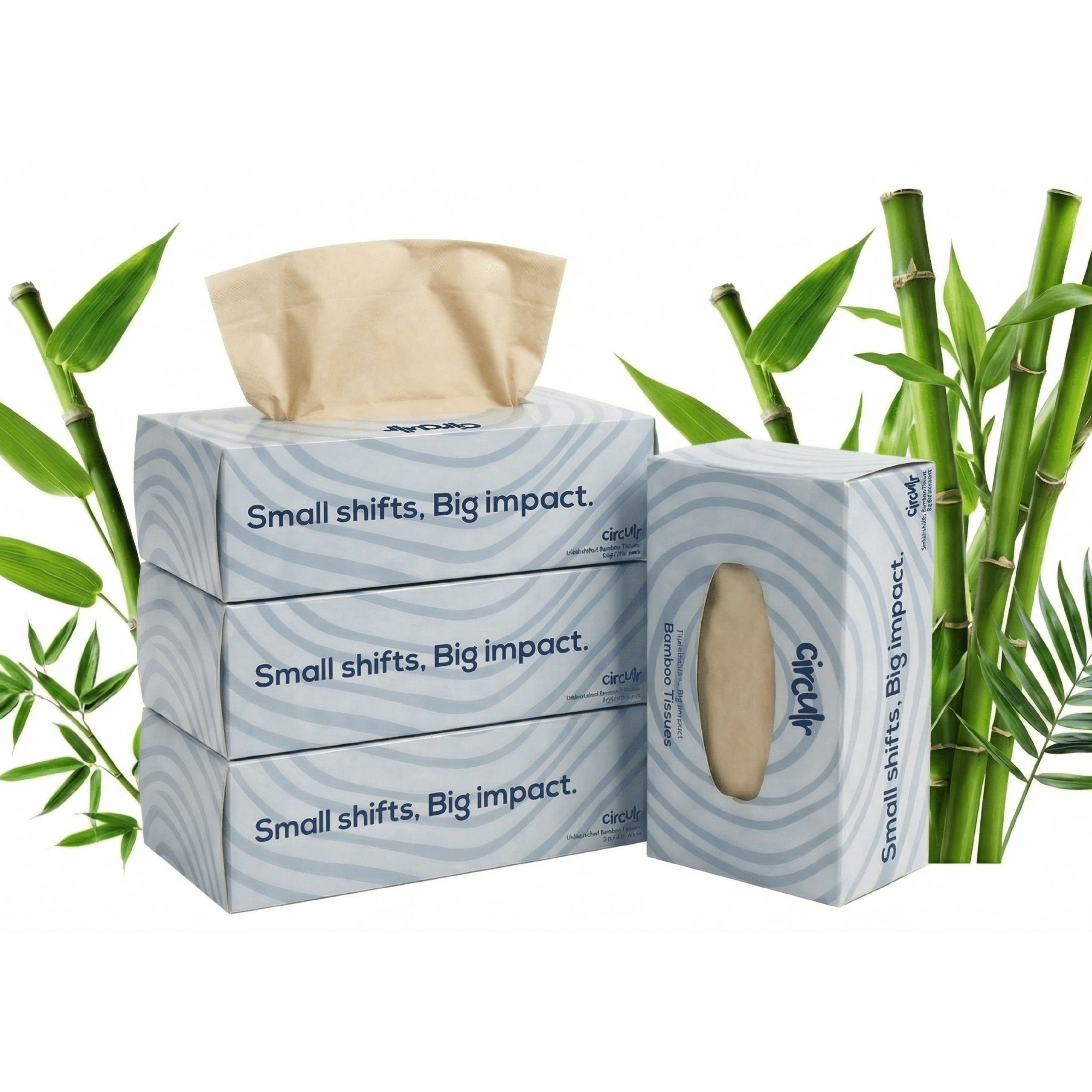
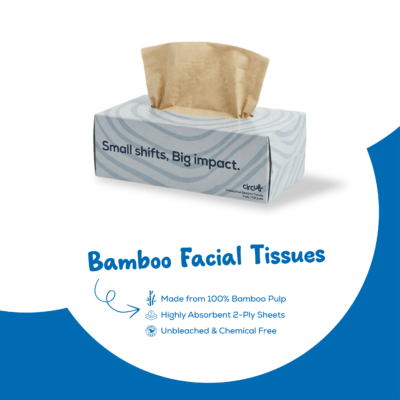
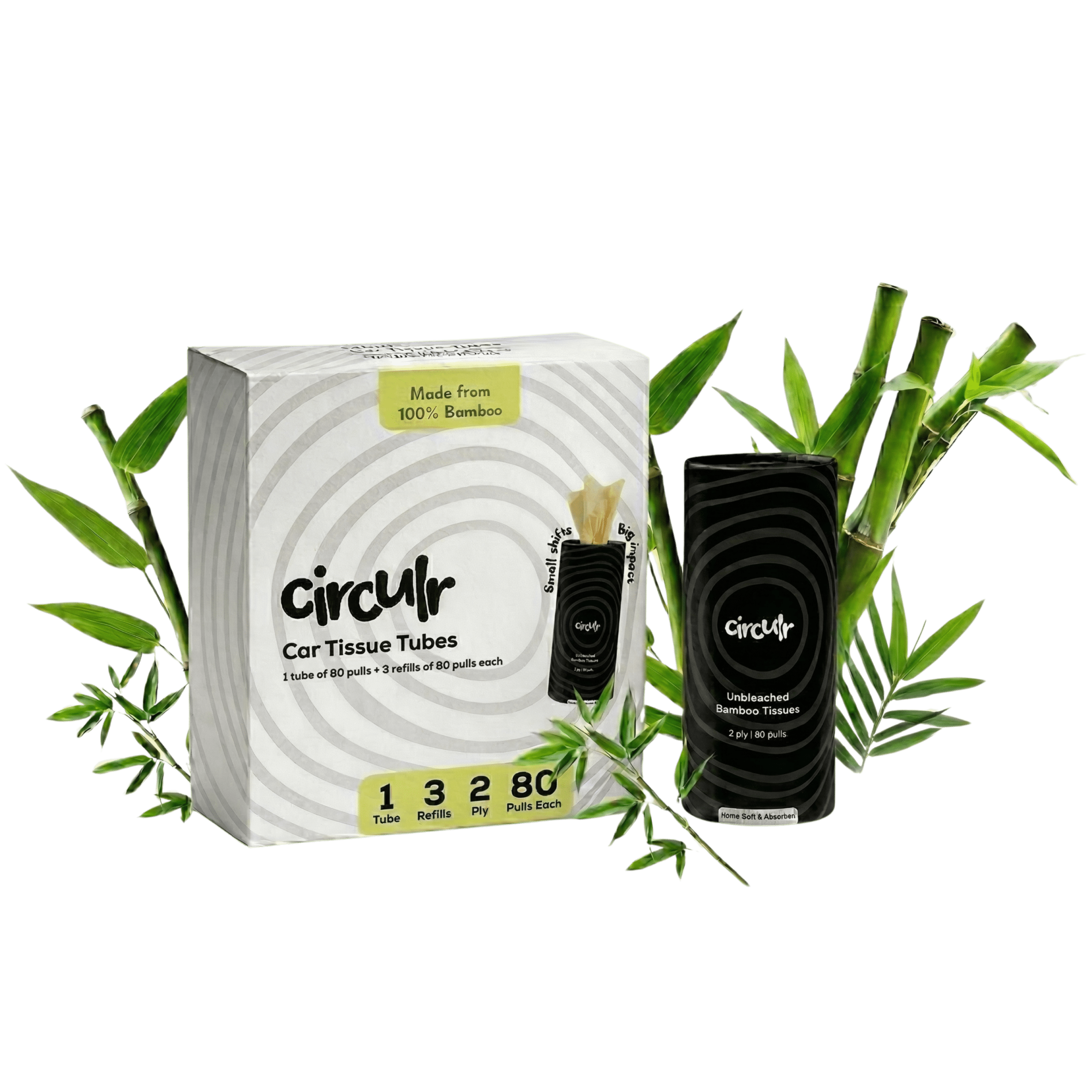
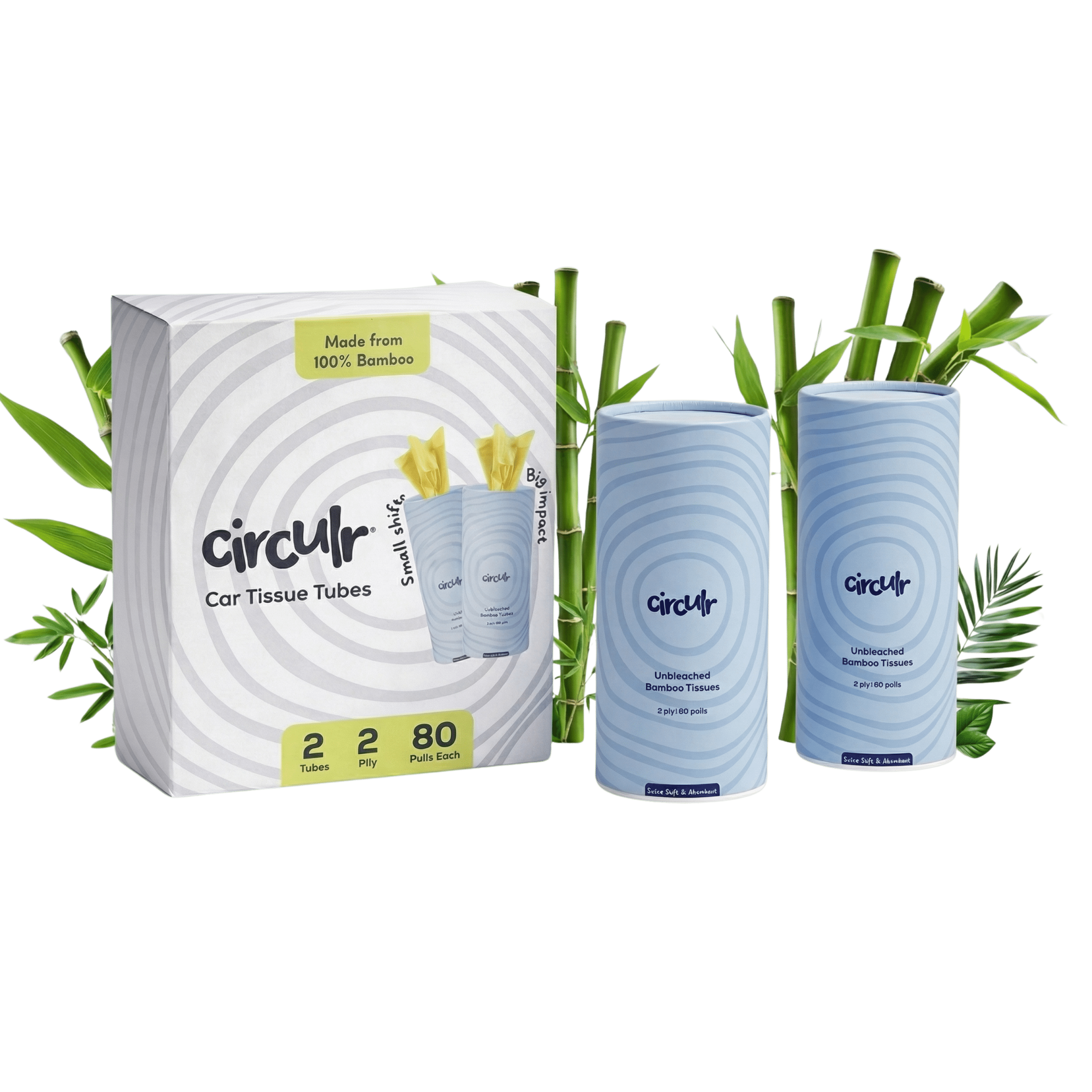
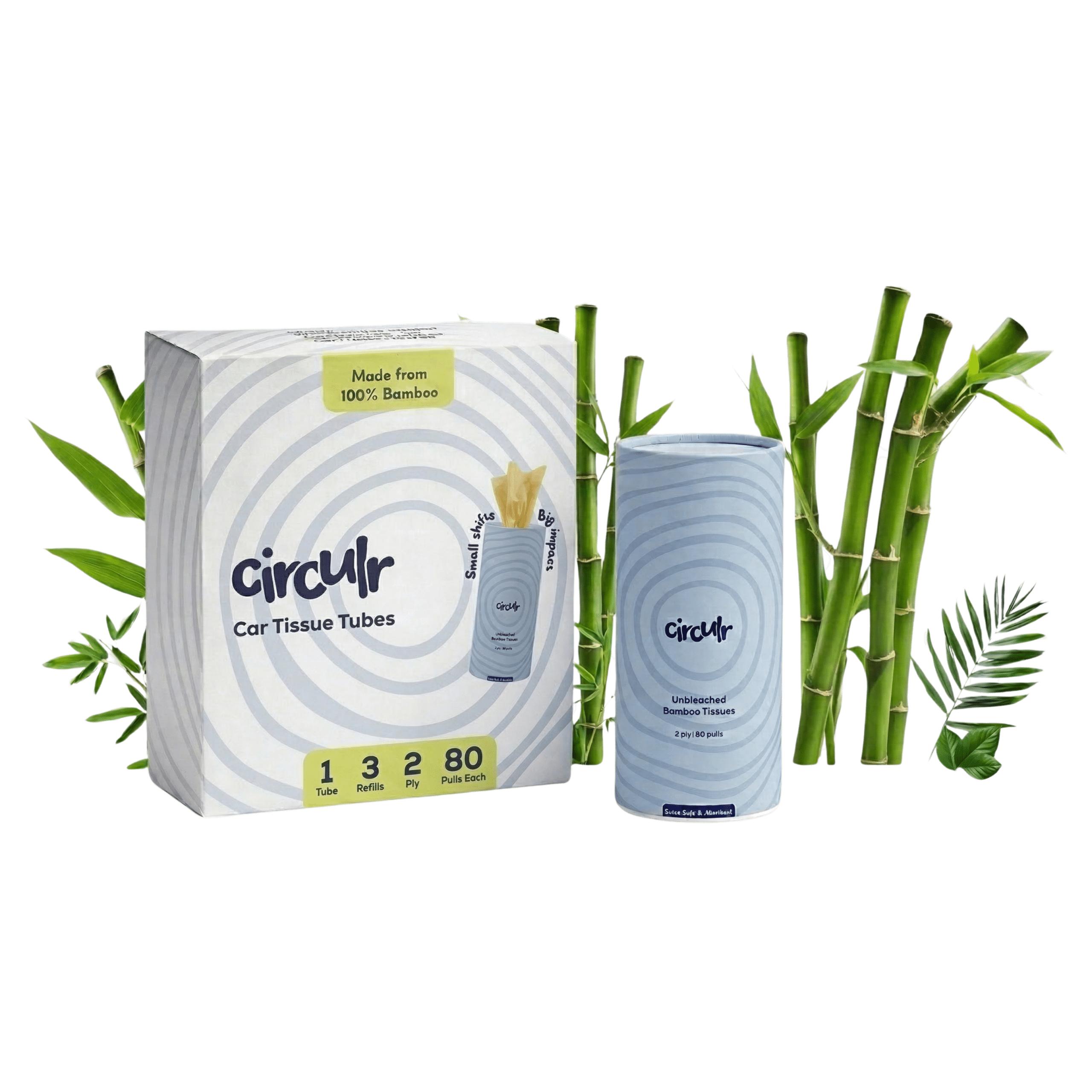
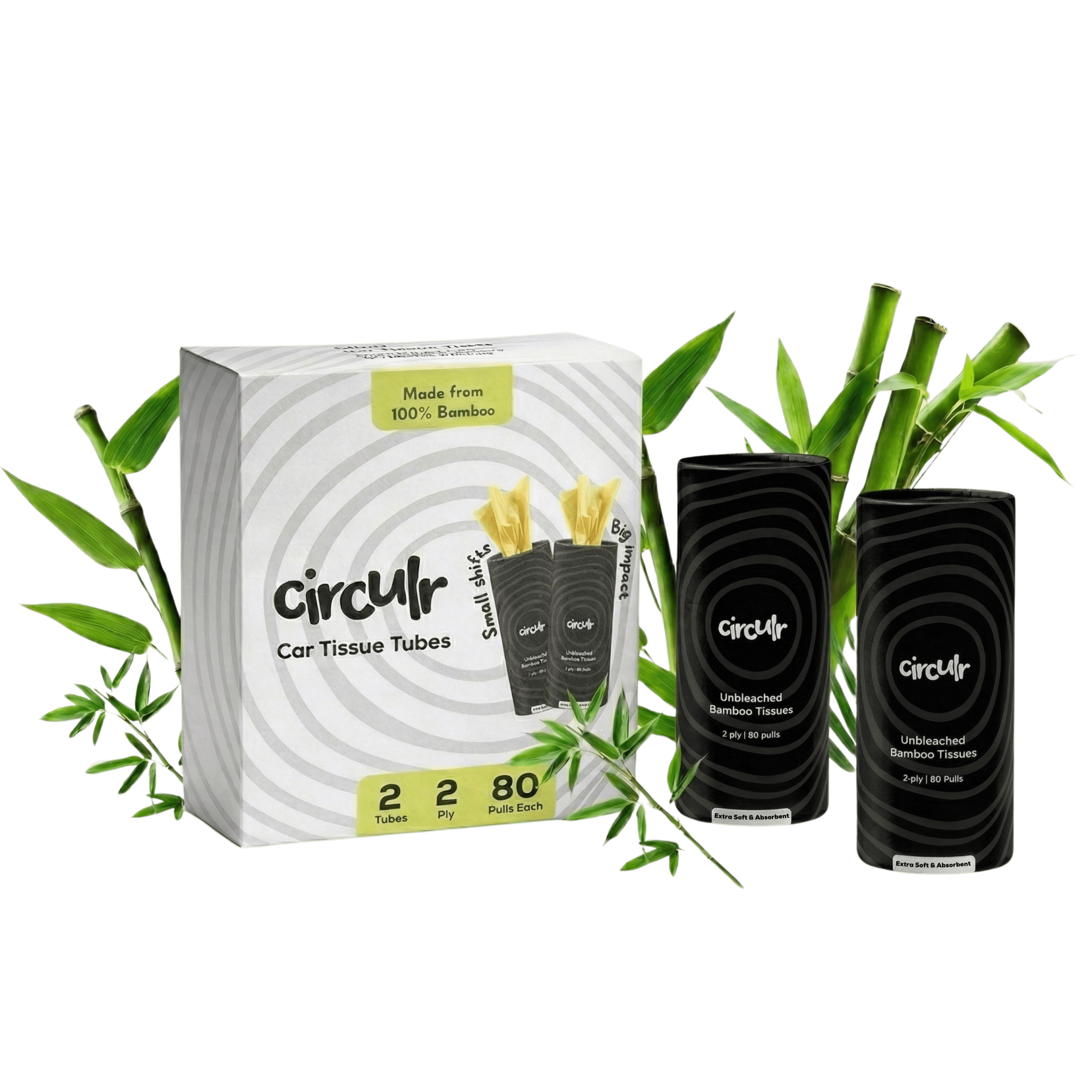
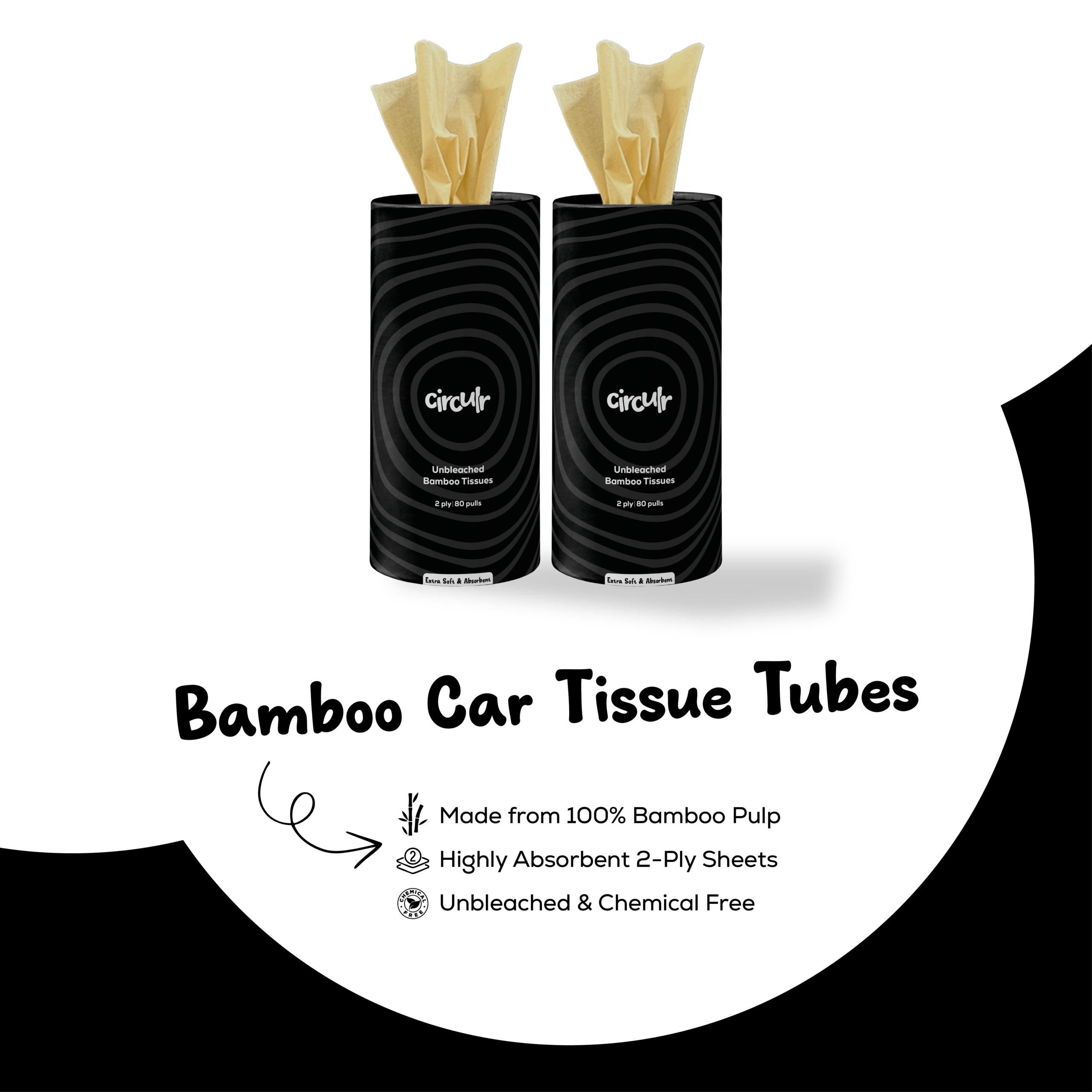
At Circulr, we keep sustainability front and centre. Our bamboo-based essentials replace tree-based, plastic-heavy products. We design with the planet in mind, not against it.
Choosing mindful brands helps fight plastic pollution in India. Your cart becomes a force for change.
The picture is now clear. Packaging waste in India has become a fast-growing crisis.
Fuelled by e-commerce, plastic packaging waste strains landfills and worsens plastic pollution in India. Traditional waste management alone cannot keep up with the rising tide.
The answer lies in sustainable packaging in India and smarter buying habits. By cutting waste at the source, we protect both land and water for the future.
Ready to shop with the planet in mind? Explore Circulr’s bamboo-based, sustainably minded essentials and reduce your packaging footprint today. Join the circle and help turn the tide on waste.