
Your cart is currently empty!.
You may check out all the available products and buy some in the shop.
Continue Shopping
Turn on a tap and water flows freely. It feels endless and cheap. But behind every product you use sits a hidden water bill. From tissues to clothing, each item carries a quiet water footprint. The products on your shelf used far more water than you ever see.
In this blog, you will learn how everyday items drain precious water. You will also discover how eco friendly products can shrink this hidden cost.
Most water use is invisible. It happens long before a product reaches you.
Manufacturing, growing, and processing all consume water. This is the hidden footprint.
You see the final item, not the litres behind it. Every product holds a water story.
Understanding the water footprint of products changes how you shop. It reveals the true cost.
Many common items use shocking amounts of water. The numbers often surprise people.
Production is usually the thirstiest stage. Crops and processing demand heavy water use.
Consider these everyday examples:
These costs hide in plain sight. Convenience often masks heavy water use.
India faces serious water pressure. Demand keeps rising while supplies shrink.
Water scarcity in India is a growing crisis. Many regions already feel the strain.
Here is why water consumption in India deserves urgent attention:
Every litre saved counts. Mindful choices ease real pressure.
Your home is a quiet water consumer. Not just at the tap, but through products too.
The environmental impact of households extends far beyond direct use. Hidden footprints add up fast.
Common high-footprint household items include:
Each choice carries a hidden cost. Smarter swaps lighten the load.
The good news is simple. Better products often use less water.
Sustainable products and water savings go hand in hand. Renewable materials lead the way.
Why eco-friendly choices help:
These swaps quietly conserve water. Each choice protects a precious resource.
You do not need to change everything at once. Start with high-impact items.
Focus on products you use and replace often. Tissues, towels, and napkins are great first steps.
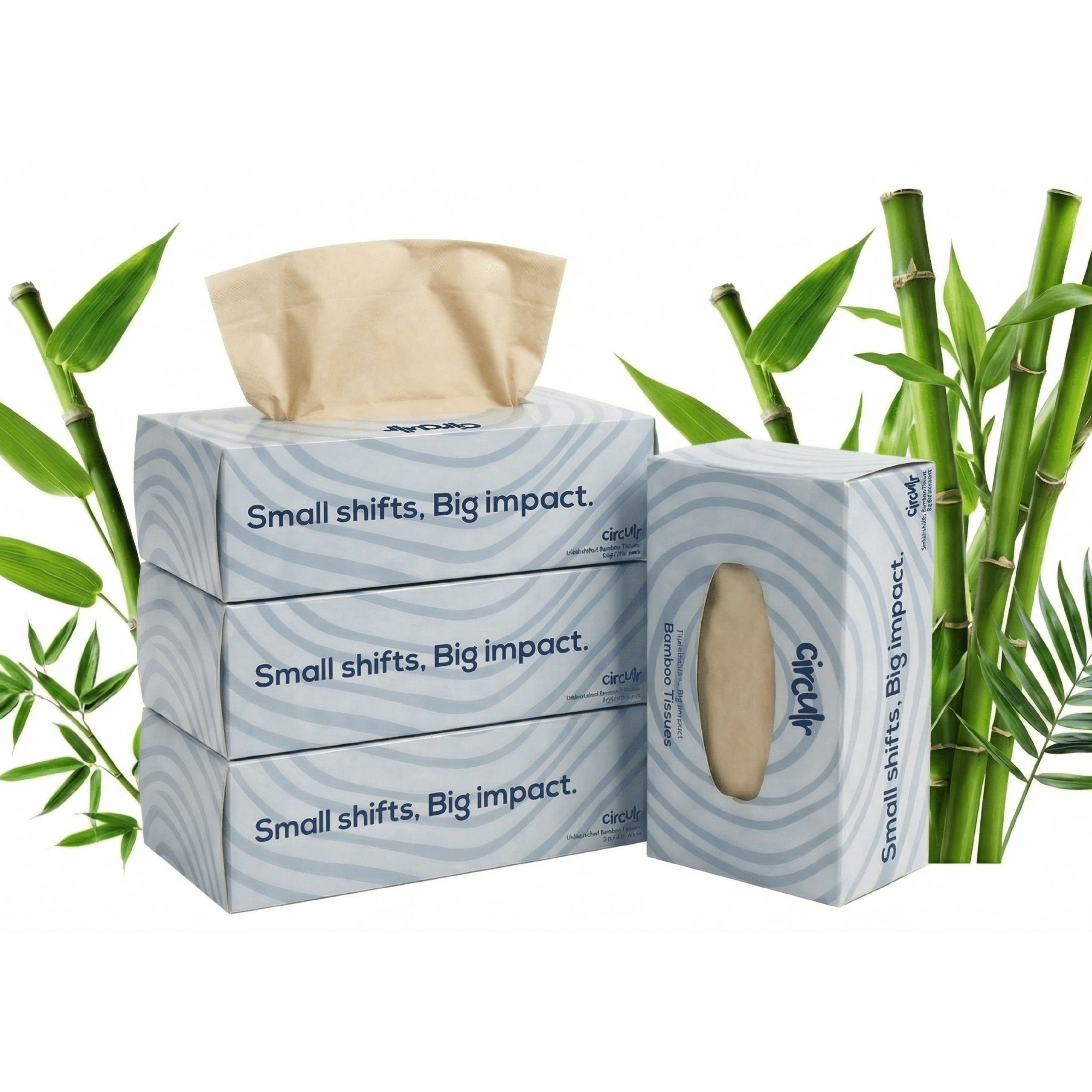
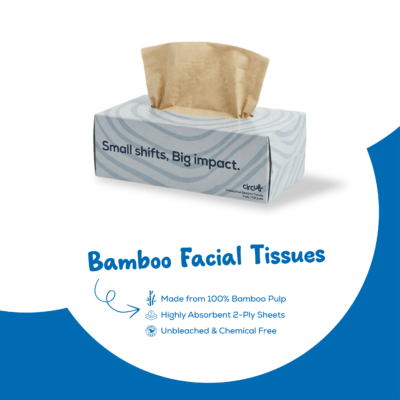
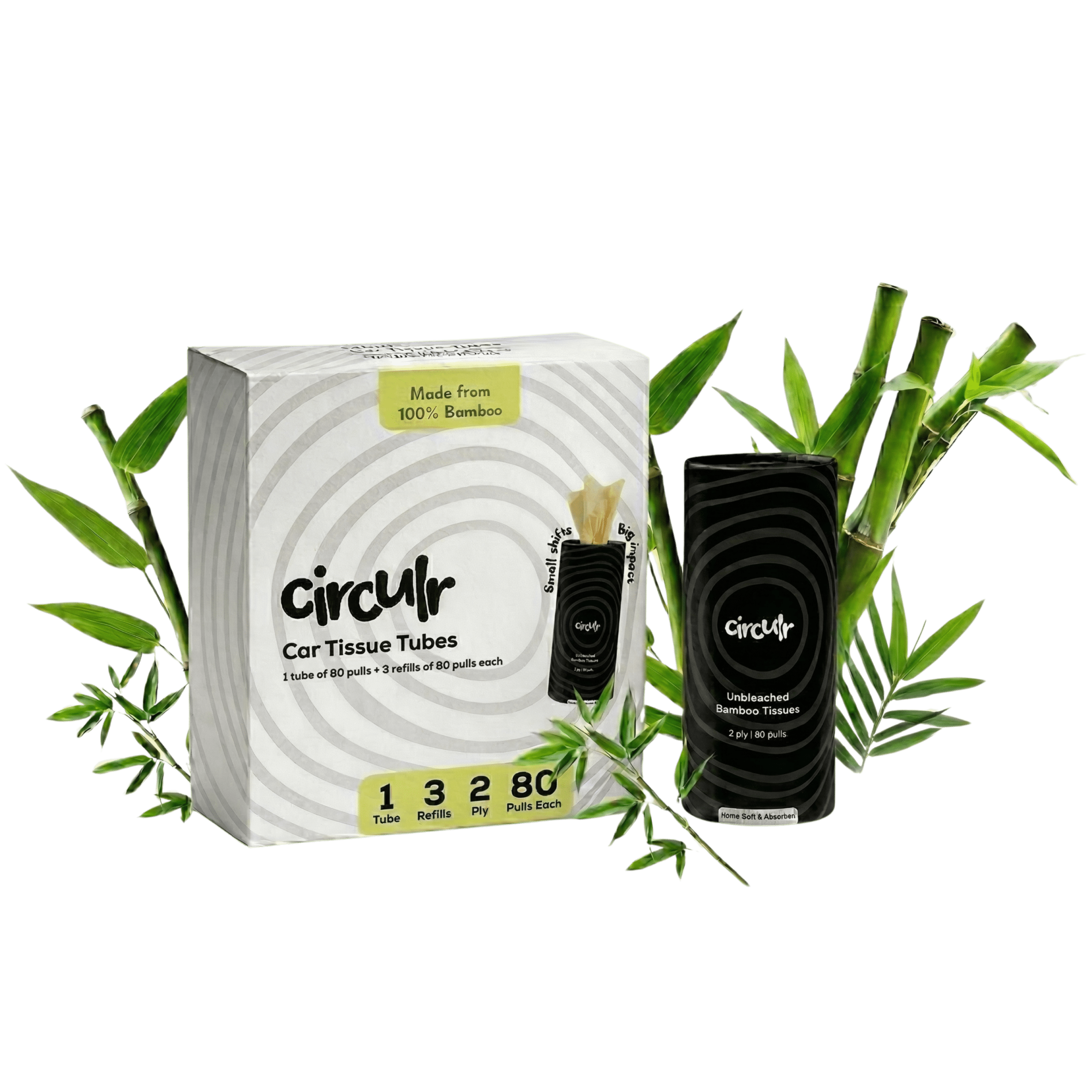
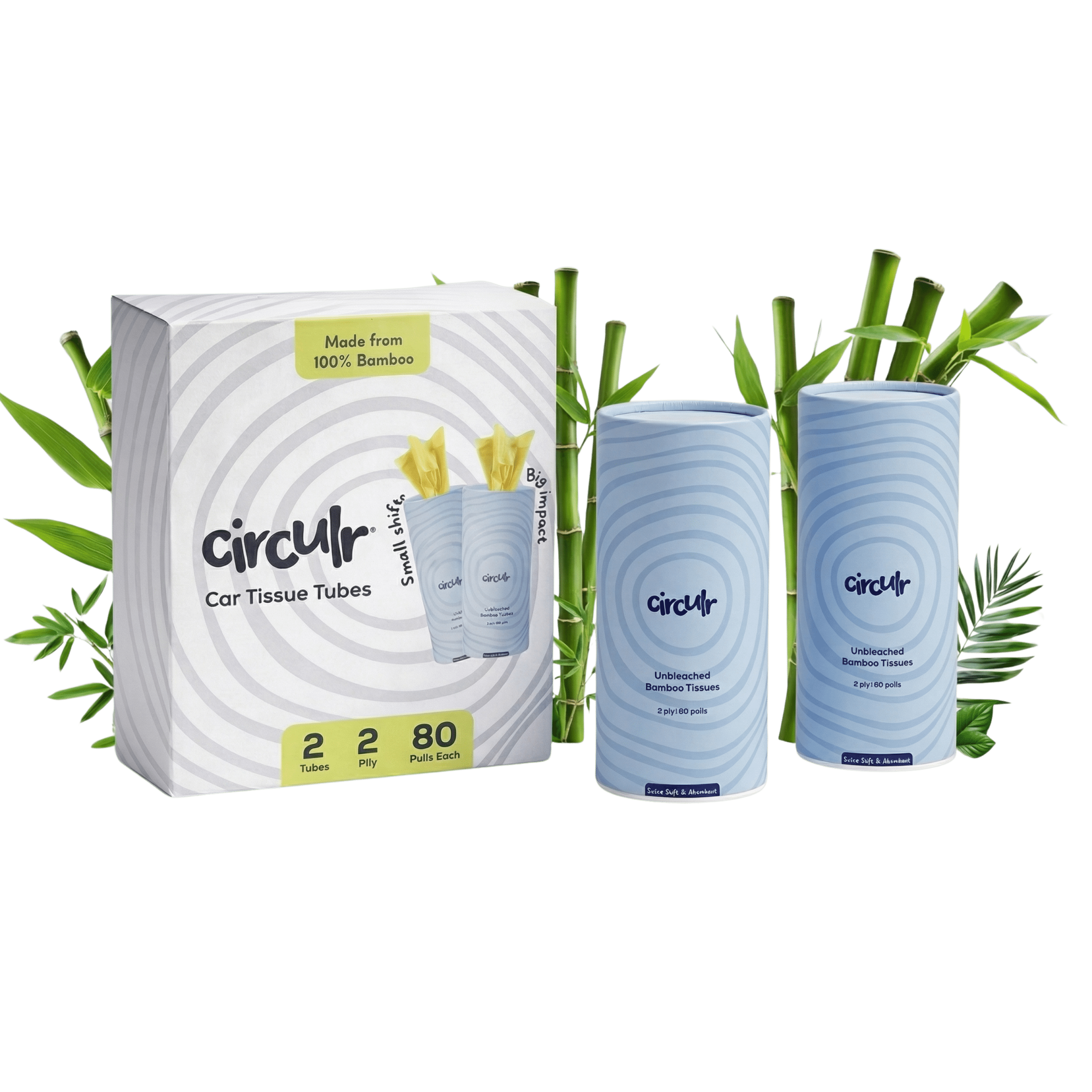
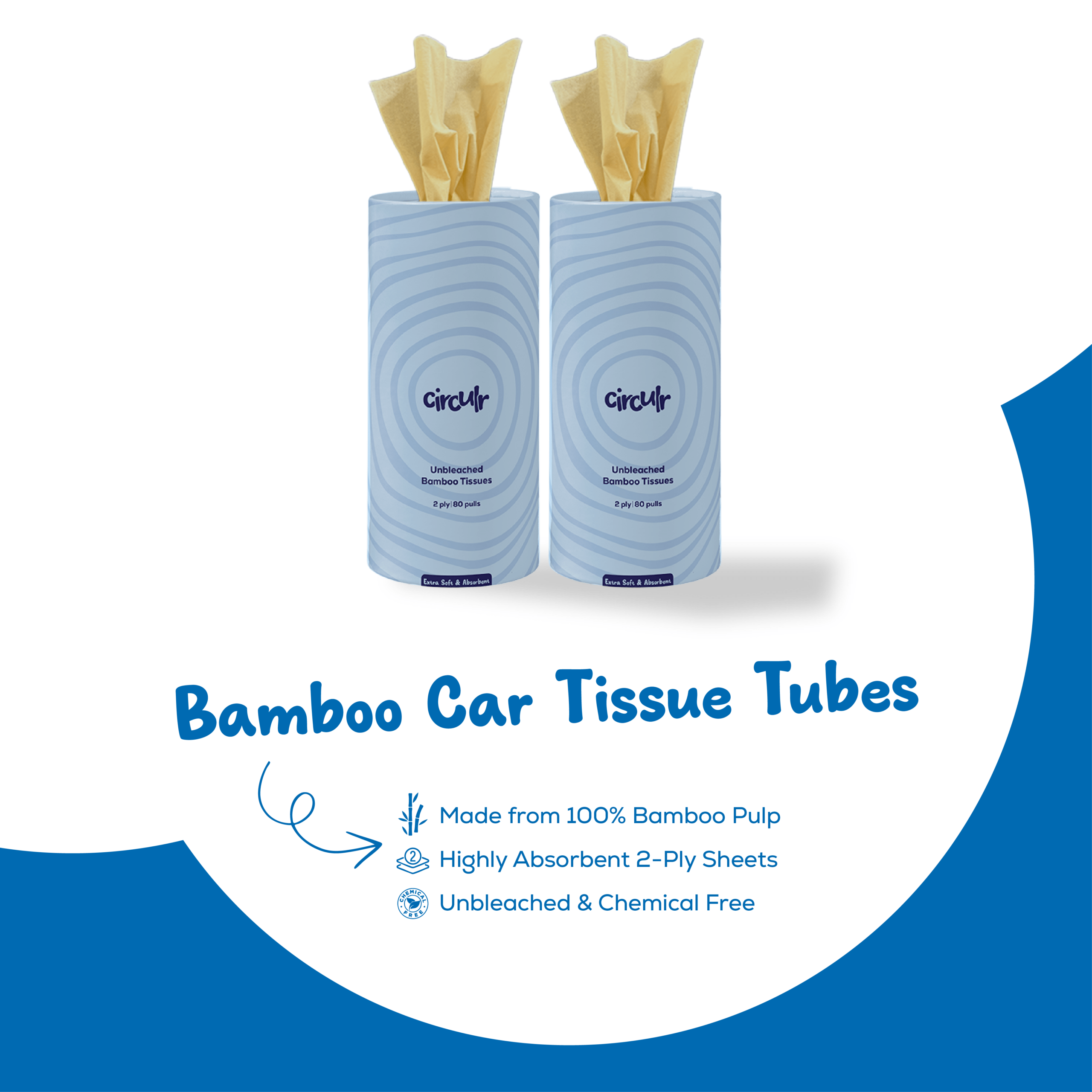
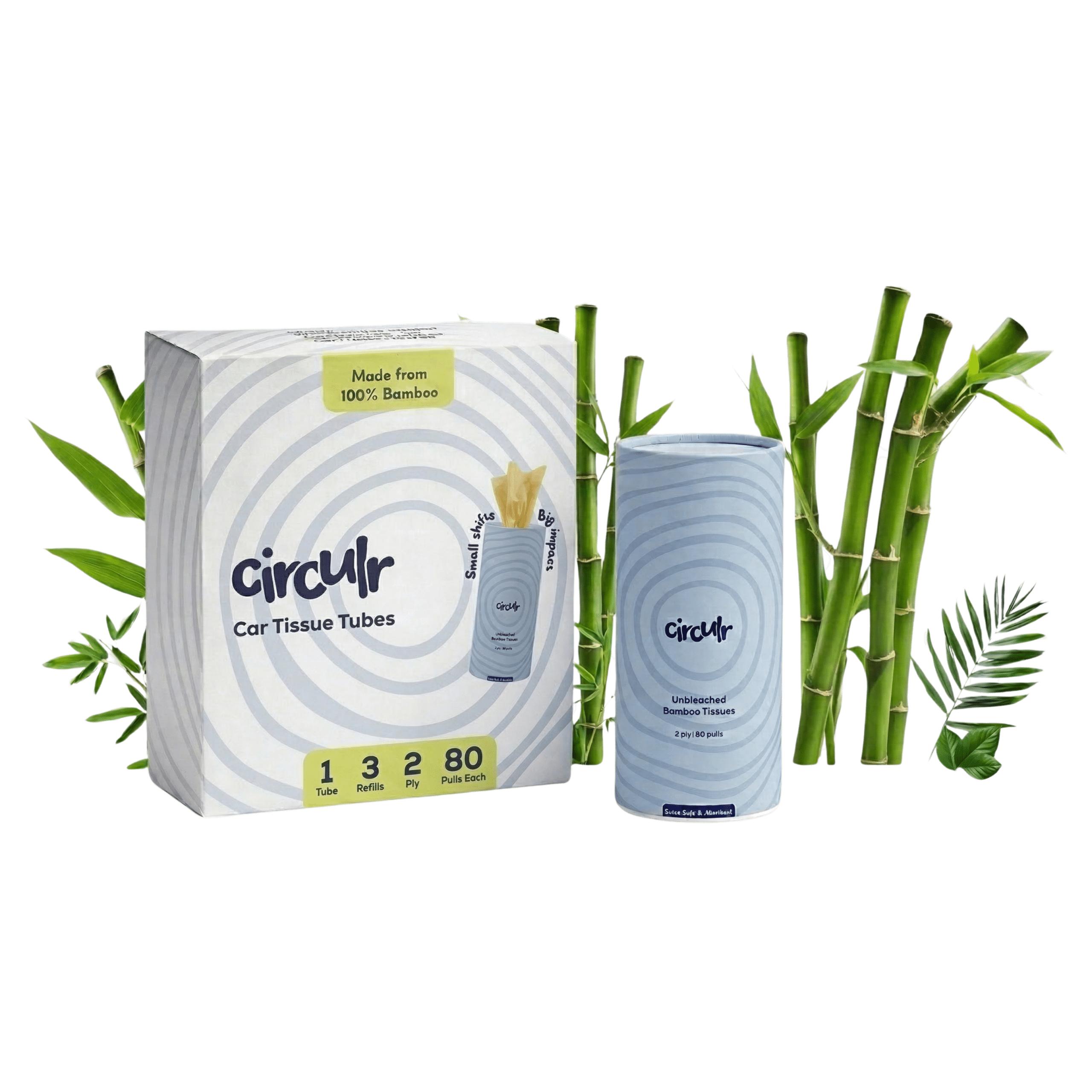
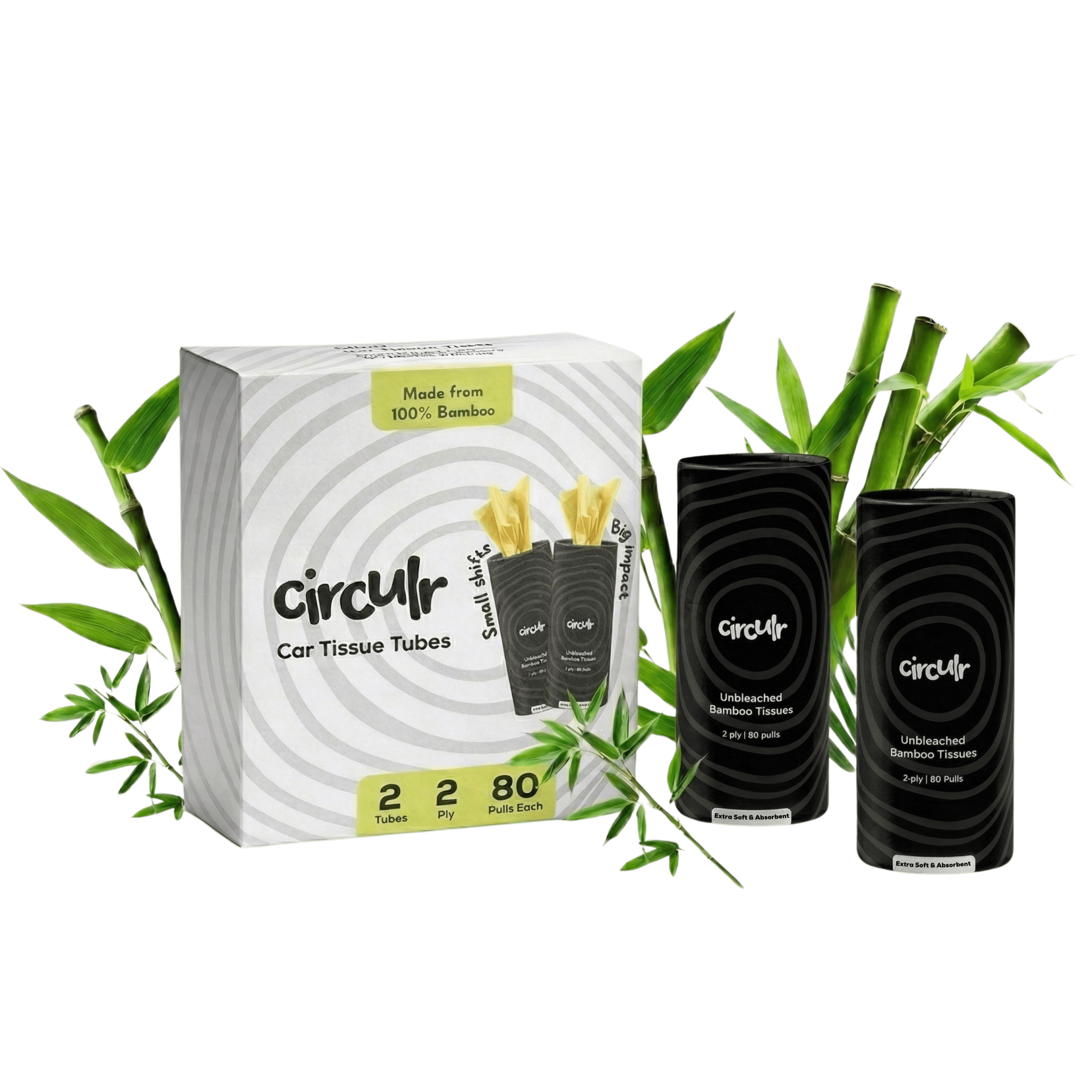
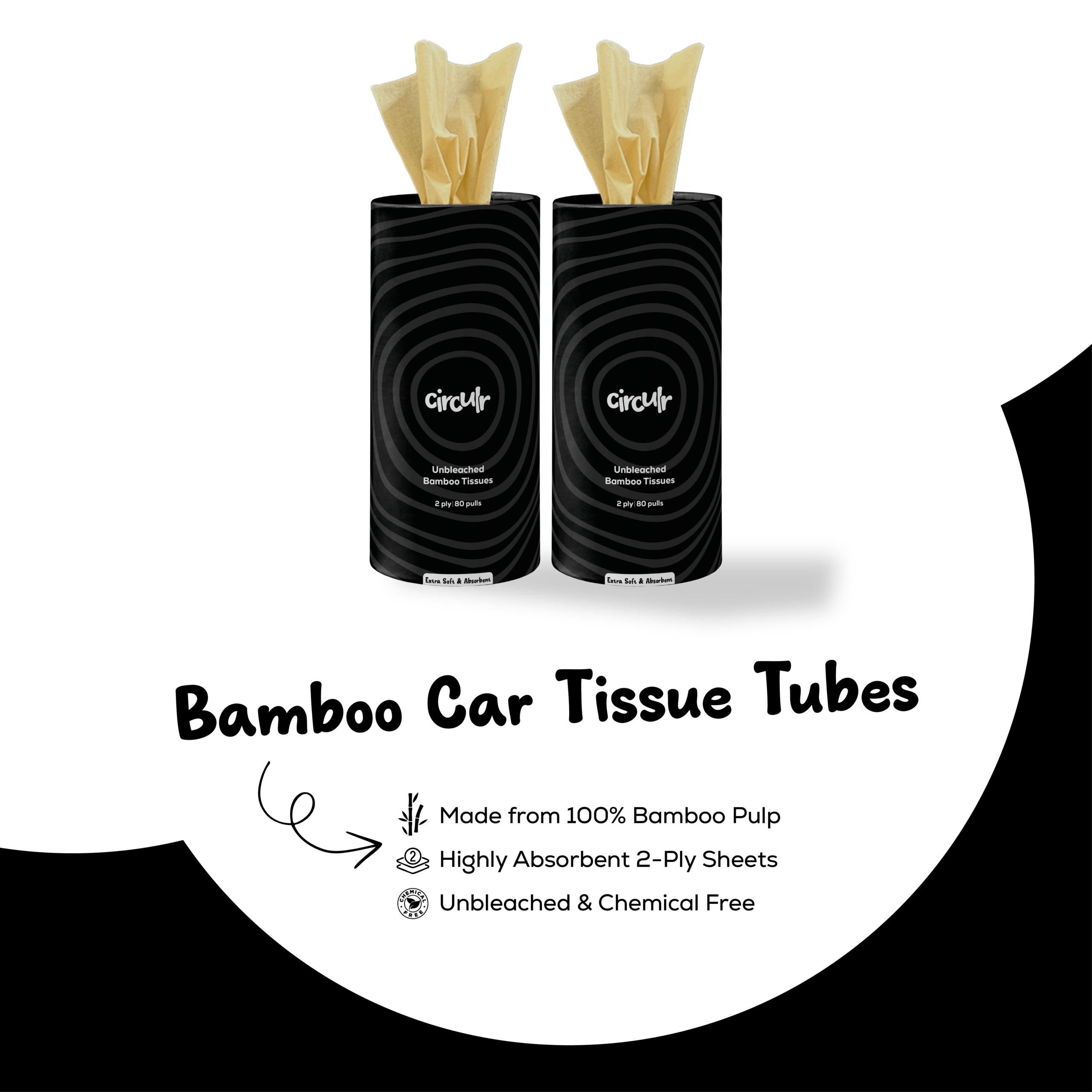
At Circulr, we design with this in mind. Our bamboo tissues, kitchen towels, and toilet paper replace tree-based, water-heavy options. Bamboo’s fast growth needs far less water to thrive.
By choosing eco friendly products, you cut hidden water costs daily. Reusable bamboo kitchen towels also reduce repeat production. Your home saves water you never saw being used.
The truth is now clear. Every product carries a hidden water cost.
Understanding the water footprint of products reveals the true environmental impact of households. As water consumption in India rises and water scarcity in India worsens, mindful choices matter more than ever.
Switching to sustainable products that save water is a powerful step. Eco friendly products made from renewable materials help protect this precious resource for the future.
Ready to cut your hidden water cost? Explore Circulr’s bamboo-based essentials and start saving water you can’t even see today. Join the circle and make every choice count for a water-secure future.