
Your cart is currently empty!.
You may check out all the available products and buy some in the shop.
Continue Shopping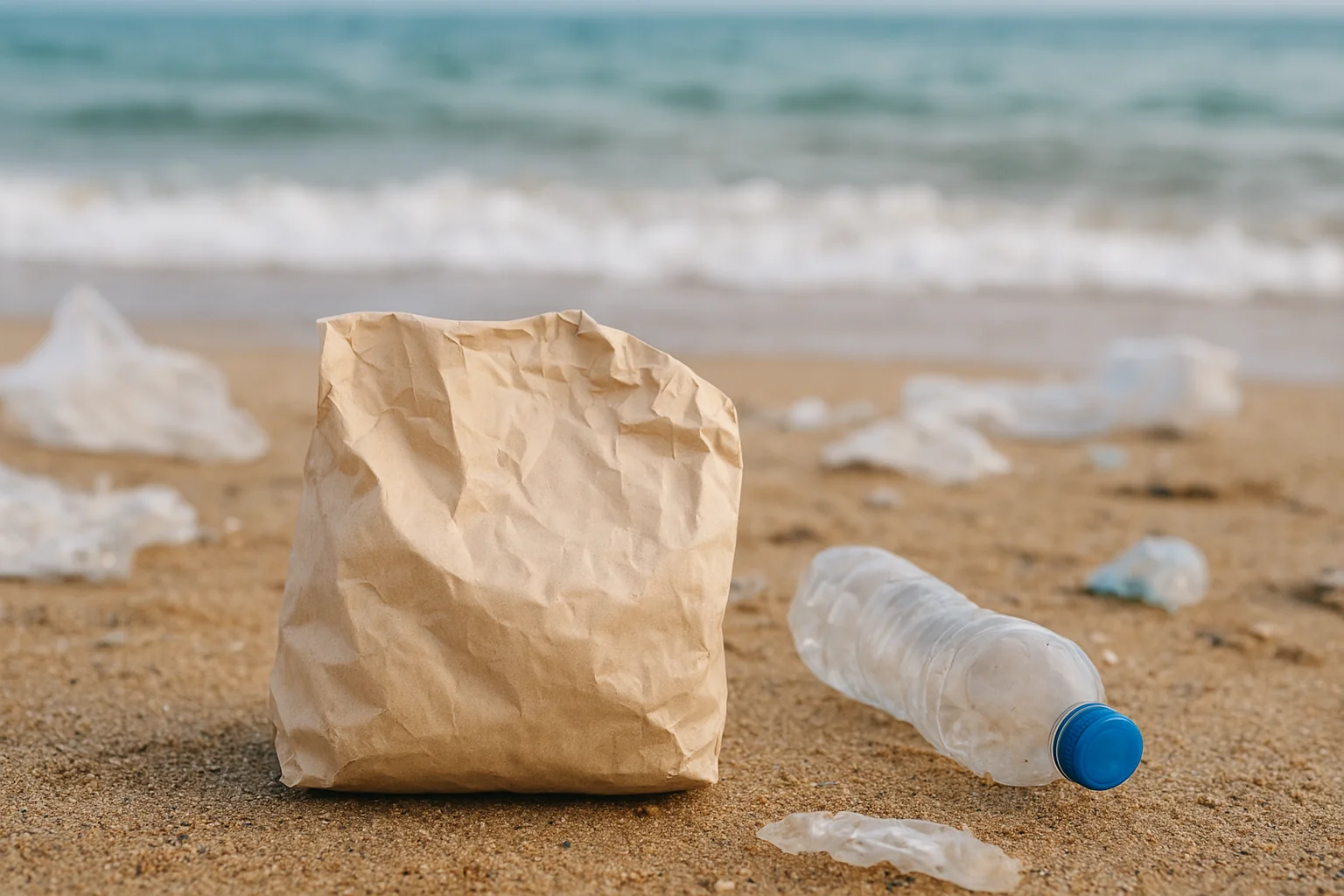
Every sheet of paper you use has a story behind it. Understanding the environmental impact of paper products changes how you look at everyday items like tissues and towels.
From the tree to your trash bin, paper travels a long, resource-heavy path. Most of us never see that journey, but it shapes decisions worth understanding.
Paper products start with trees, most of them slow-growing hardwoods that take decades to mature. That growth timeline sets the pace for supply.
This mismatch is central to understanding deforestation paper products India and other countries continue to grapple with.
Beyond deforestation, paper production carries a significant carbon cost through processing, transport, and manufacturing.
Pulping, bleaching, and drying all require energy, most of it still generated from fossil fuels in many facilities. This adds to the overall carbon footprint paper products carry before reaching store shelves.
Not every paper product has an identical environmental price tag. Fiber source makes a significant difference in overall impact.
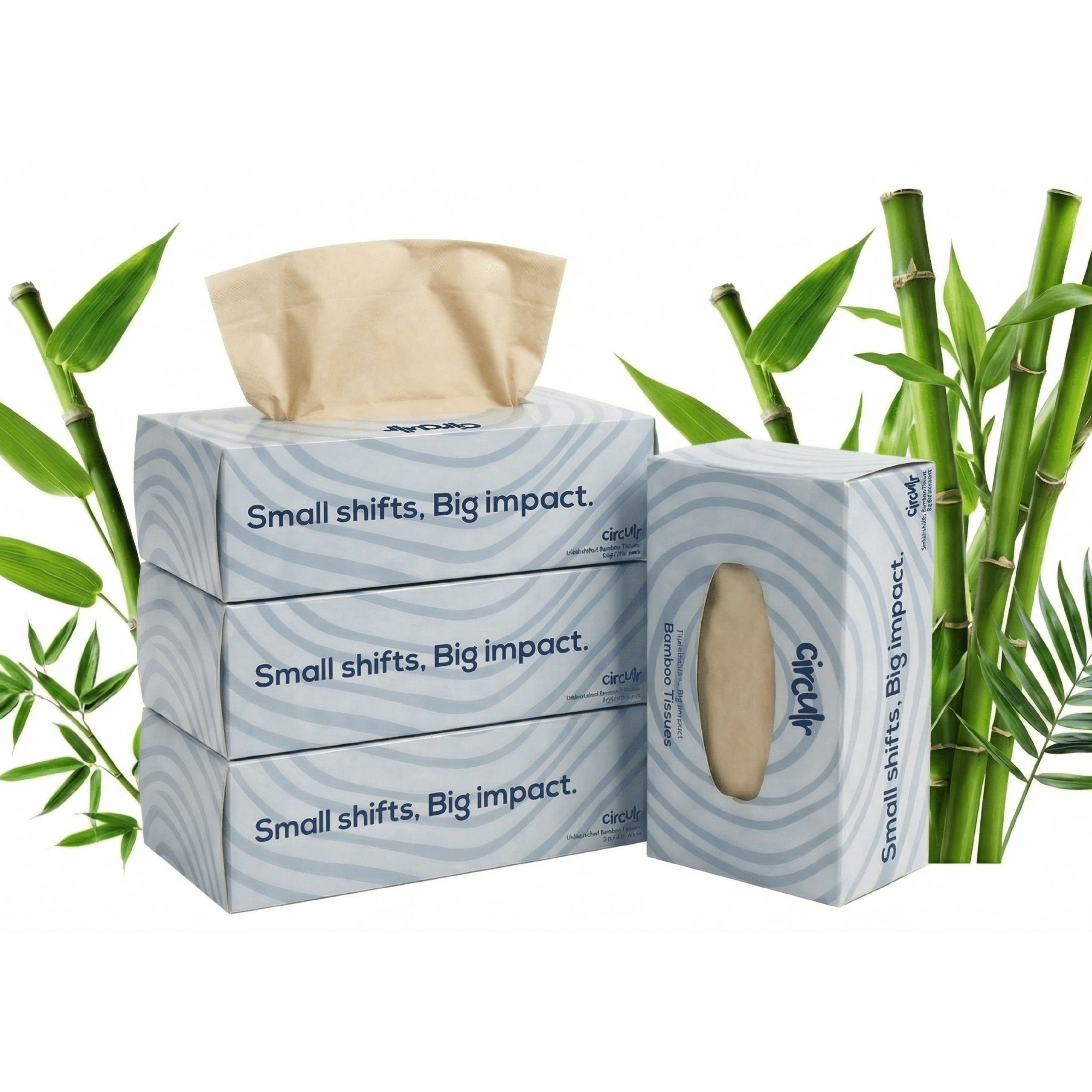
Bamboo-based paper generally carries a lighter footprint than standard wood-pulp paper, largely due to faster growth cycles and lower water needs.
This is why exploring sustainable paper alternatives India shoppers can access matters more than simply avoiding paper altogether.
Bamboo regenerates far faster than hardwood trees, often ready for harvest in just a few years instead of decades.
These factors make tree free paper products a genuinely lower-impact alternative, not just a marketing angle.
When placed side by side, the differences between these two fiber sources become clearer.
This comparison is at the heart of ongoing bamboo vs wood pulp paper discussions among sustainability-focused buyers.
Knowing that paper carries an environmental cost doesn’t automatically shift buying habits. Convenience and habit often outweigh awareness alone.
Real change usually requires an equally convenient alternative, not just better information.
This is why accessible eco friendly paper India brands matter — they remove the friction between knowing and doing.
Household paper waste adds up quietly across daily habits — napkins, towels, tissues, and toilet paper all contribute steadily.
Understanding this cumulative paper waste environmental impact helps put single-use habits into clearer perspective, beyond any one product.
You don’t need to track every sheet you use. A few practical shifts cover most of the impact.
These small adjustments meaningfully reduce your household’s overall paper footprint over time.
Beyond production, paper products travel considerable distances before reaching store shelves, adding another layer to their overall footprint.
Each stage adds incremental emissions, reinforcing why locally sourced eco friendly paper India options often carry a lighter overall footprint than imported alternatives.
The paper trail doesn’t end at your trash bin. Depending on disposal conditions, paper can take considerable time to break down.
Paper products in landfills, compacted with limited airflow, often decompose more slowly than expected.
This extended afterlife is part of the full picture behind paper waste environmental impact, beyond just production concerns.
Seeing the complete journey — from tree to trash — helps put everyday paper choices into clearer perspective.
This full-picture understanding supports more informed choices around bamboo vs wood pulp paper and similar comparisons.
Is all paper equally harmful to the environment? No, fiber source and processing methods create significant differences in impact.
Is bamboo paper genuinely better, or just marketed that way? Genuinely better, based on growth speed, water use, and regeneration ability.
Can switching one product really make a difference? Yes, especially for frequently repurchased items like tissues and toilet paper.
Once you’ve traced the full paper trail, it becomes harder to view everyday paper products as neutral, harmless items.
This shift in perspective doesn’t require guilt — it simply invites more thoughtful purchasing decisions going forward, one product at a time.
The paper trail behind everyday products is longer than it looks. Each sheet carries a small piece of forest, water, and energy behind it.
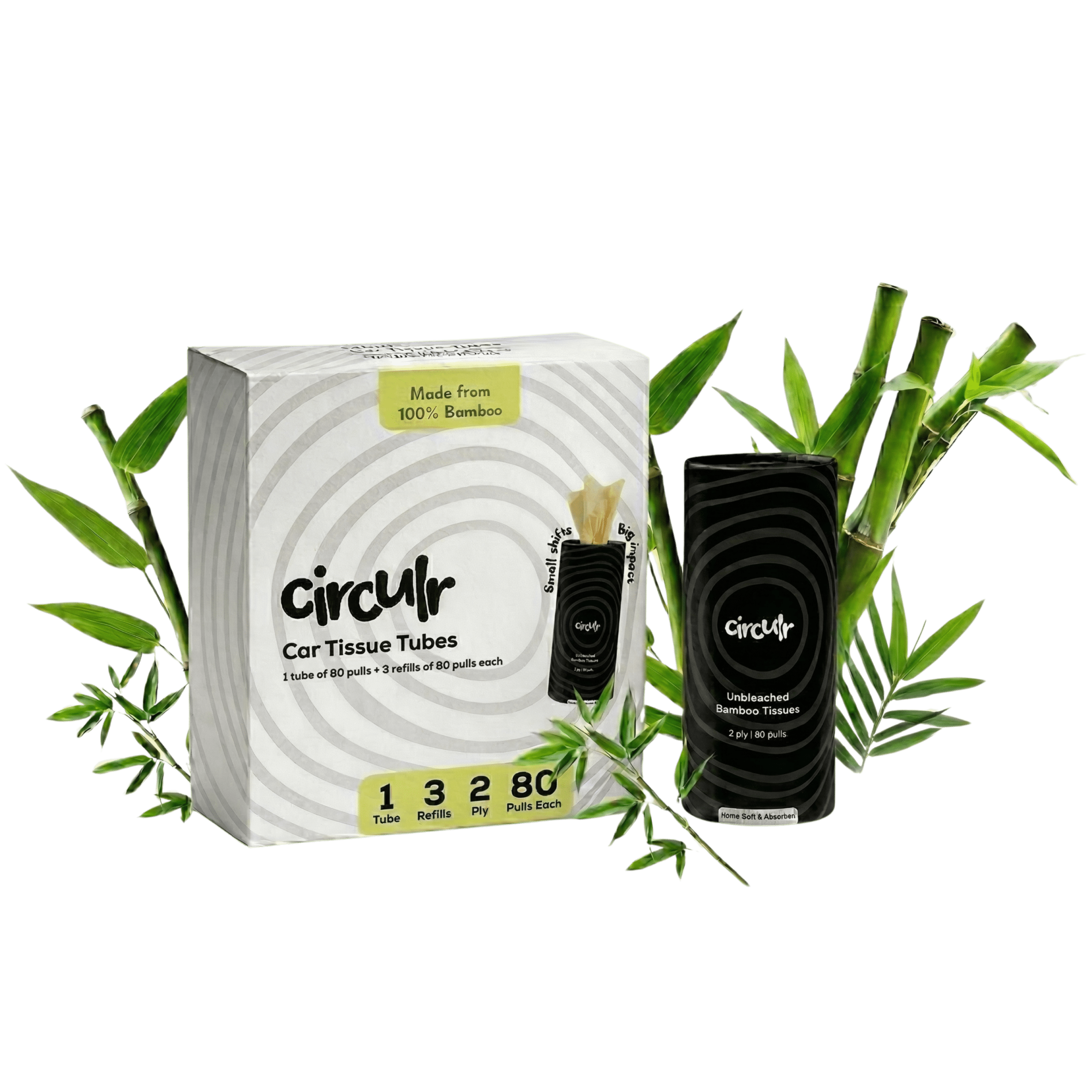
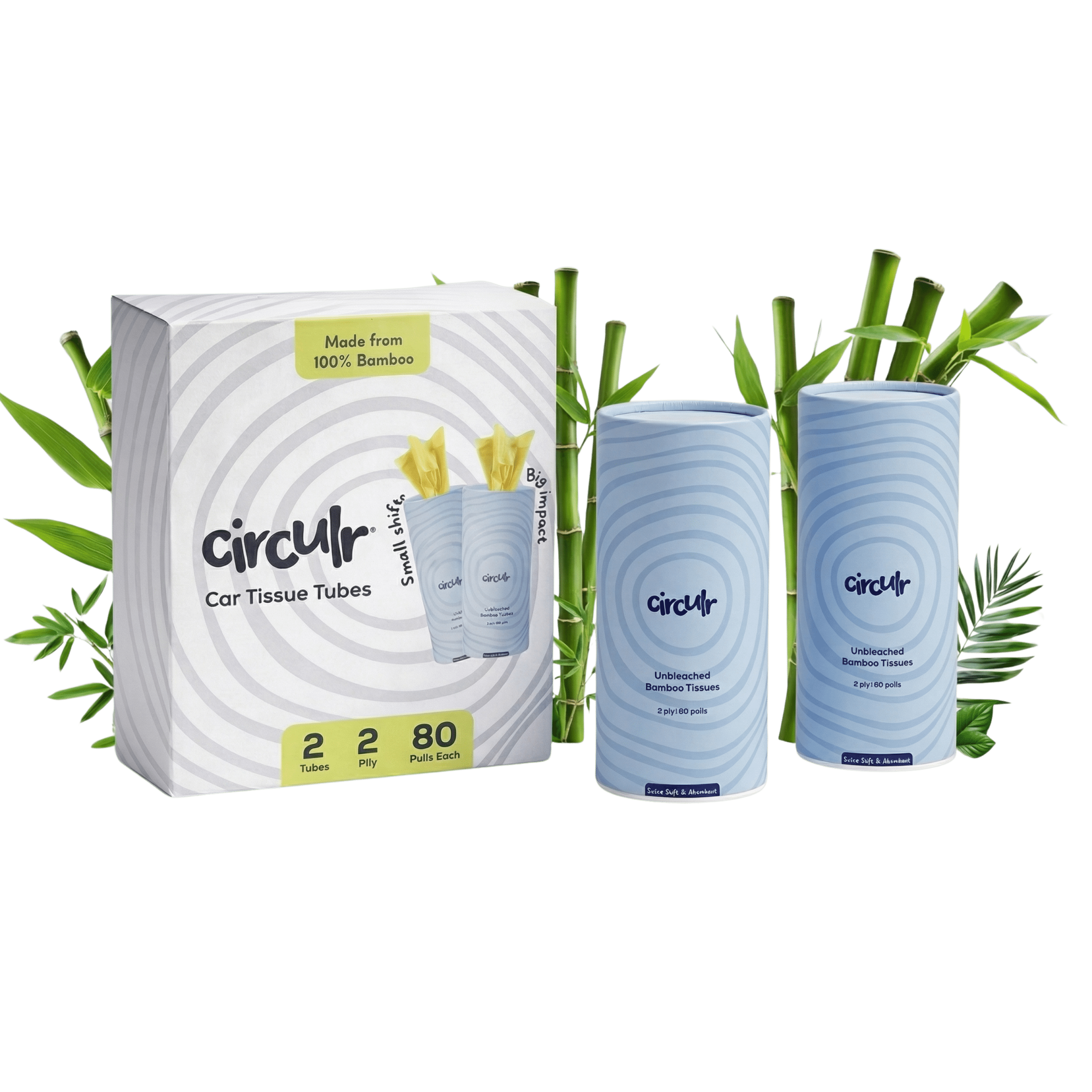
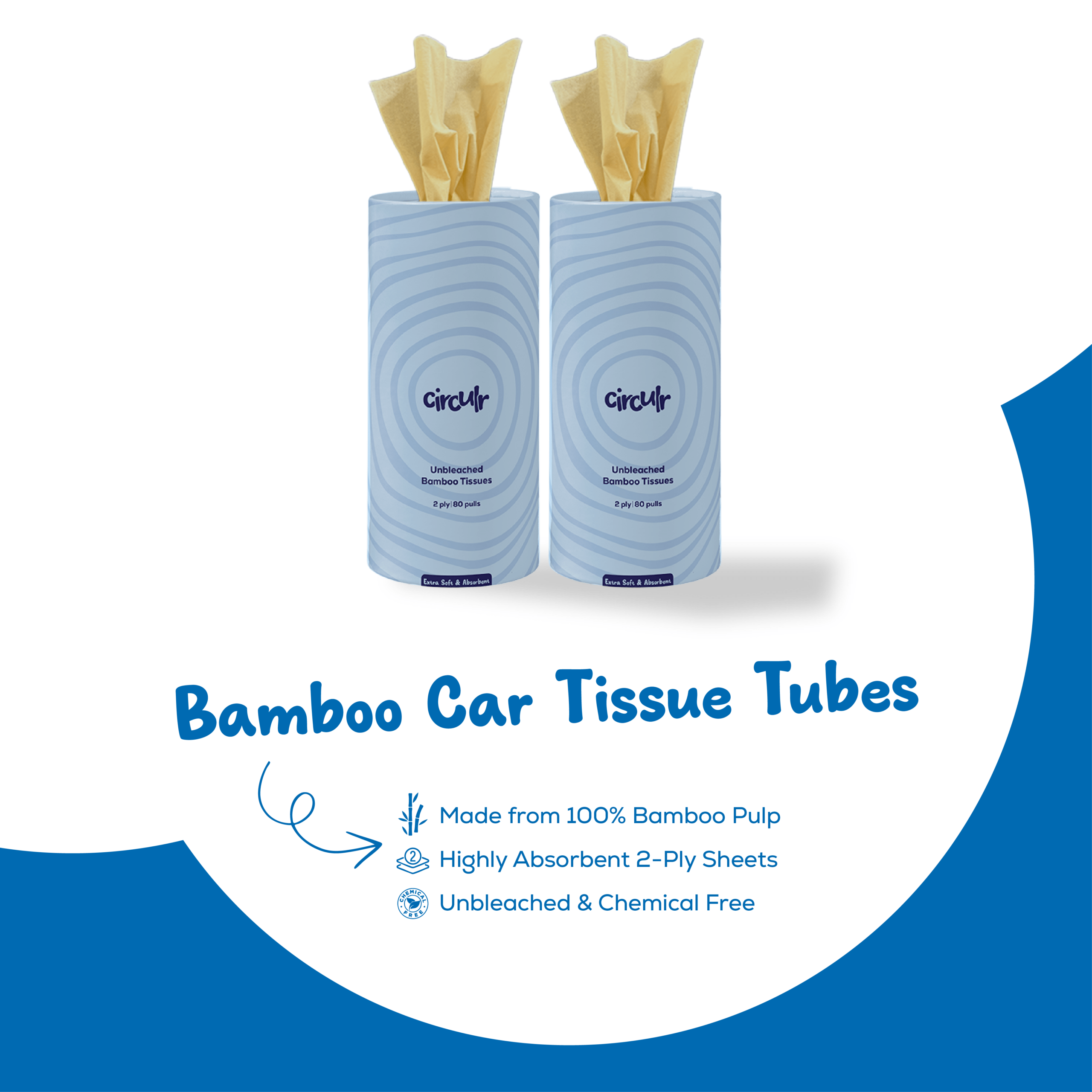
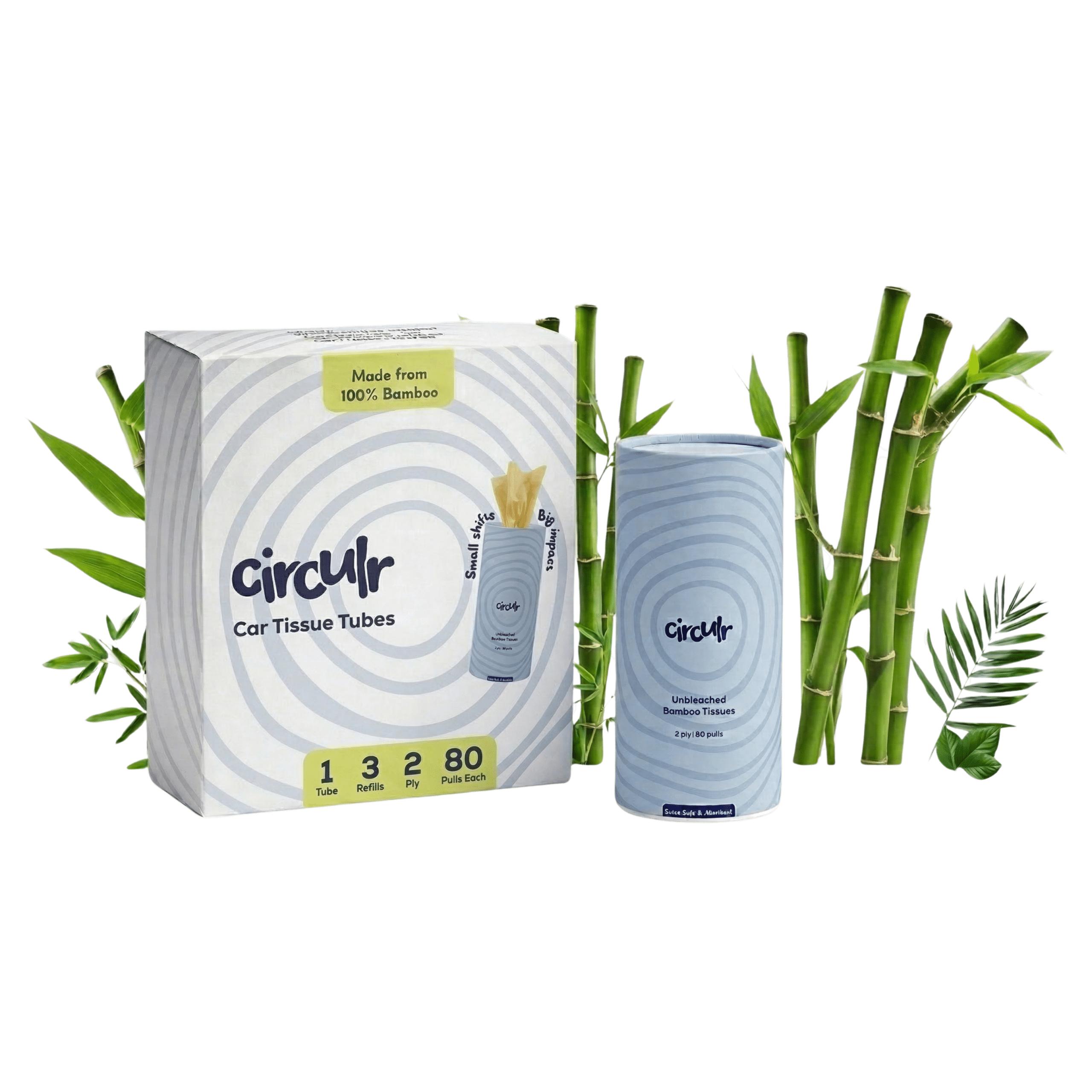
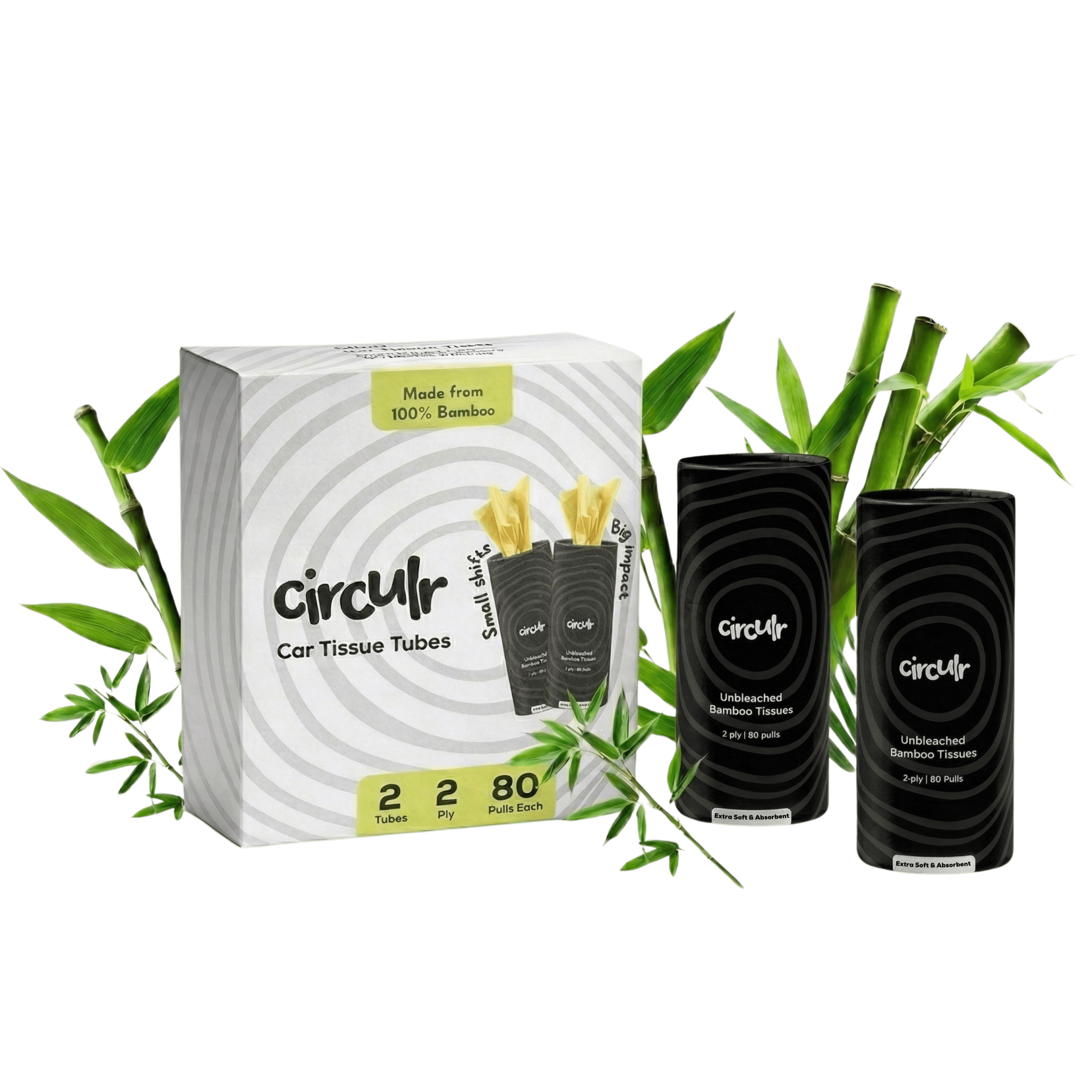
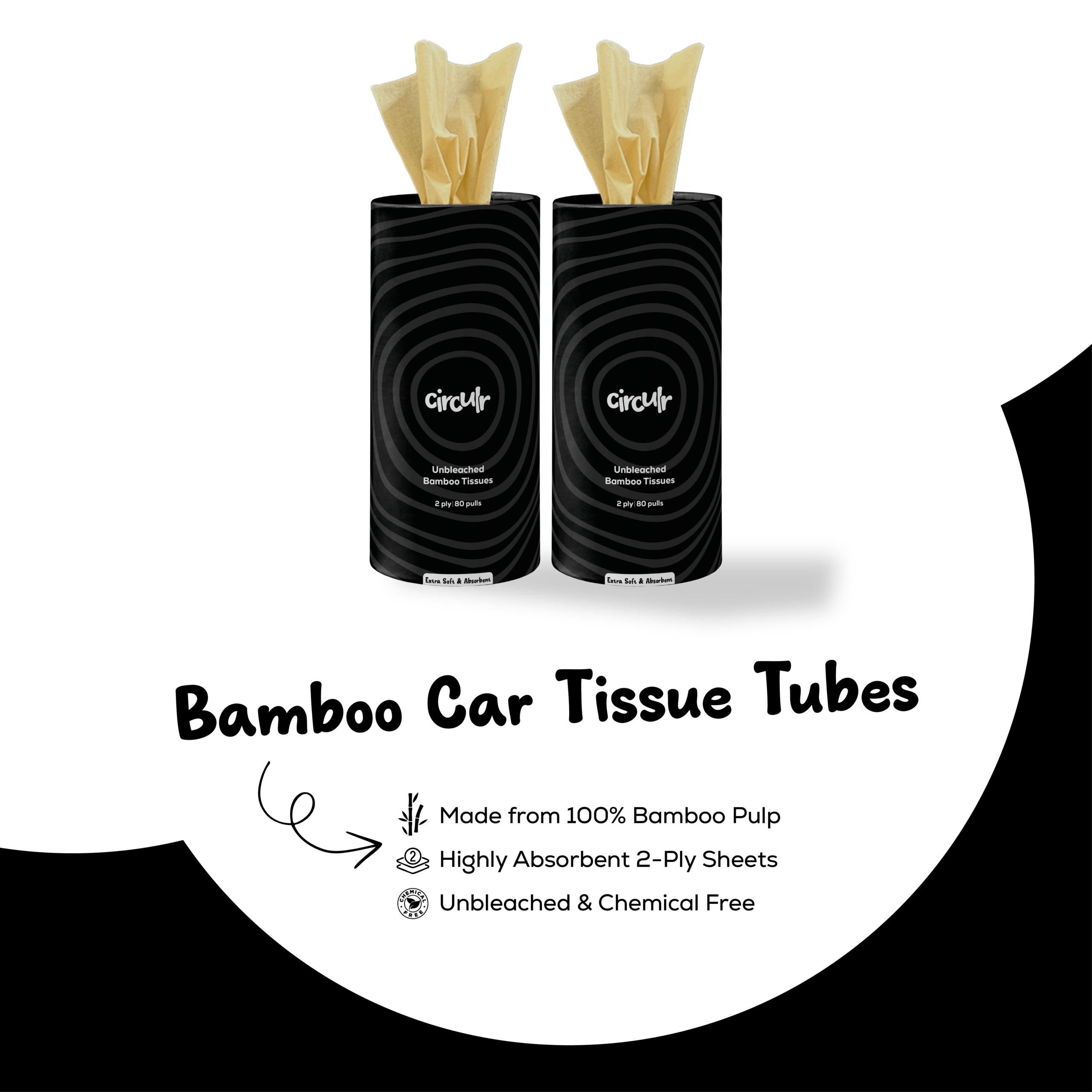
Circulr’s bamboo-based products aim to shorten that trail, offering a genuinely lower-impact alternative for the paper you use every single day.