



Your cart is currently empty!.
You may check out all the available products and buy some in the shop.
Continue Shopping
Modern living is shifting toward simplicity and purpose. People are moving away from clutter and unnecessary consumption. This is where a minimalist lifestyle meets sustainability. By choosing the right eco friendly essentials, you can create a home that is both simple and responsible.
Combining minimalism and sustainable living helps you focus on what truly matters.
A minimalist lifestyle is about living with less but living better. It focuses on removing excess and keeping only what adds value.
Core principles include:
Minimalism creates clarity and simplicity.
Minimalism and sustainable living naturally support each other. Both focus on reducing waste and consumption.
Together, they:
This combination defines modern conscious living.
Eco friendly essentials are products designed to reduce environmental impact. They fit perfectly into minimalist homes.
Key features include:
These qualities align with both minimalism and sustainability.
The first step toward a minimalist eco-friendly home is decluttering. Remove items that are rarely used.
Then replace them with:
This reduces clutter and waste simultaneously.
Minimalism encourages buying fewer items. Sustainability ensures those items are responsible.
Better choices include:
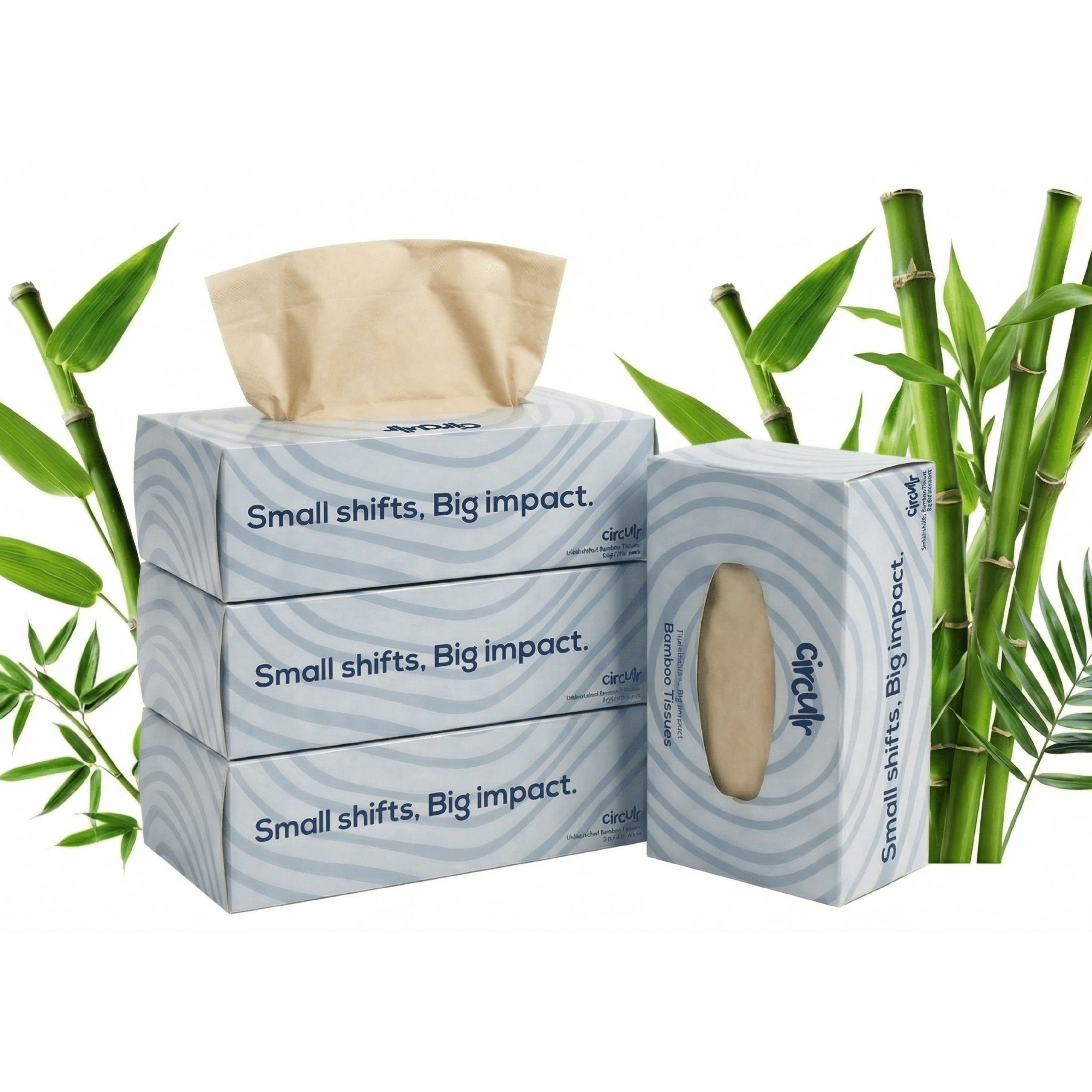
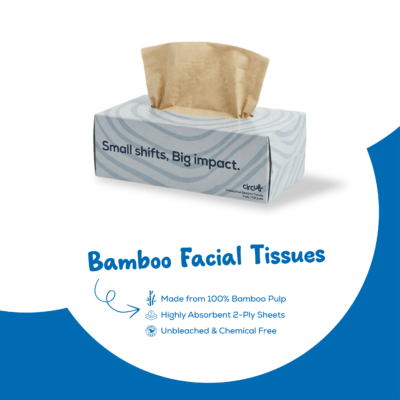
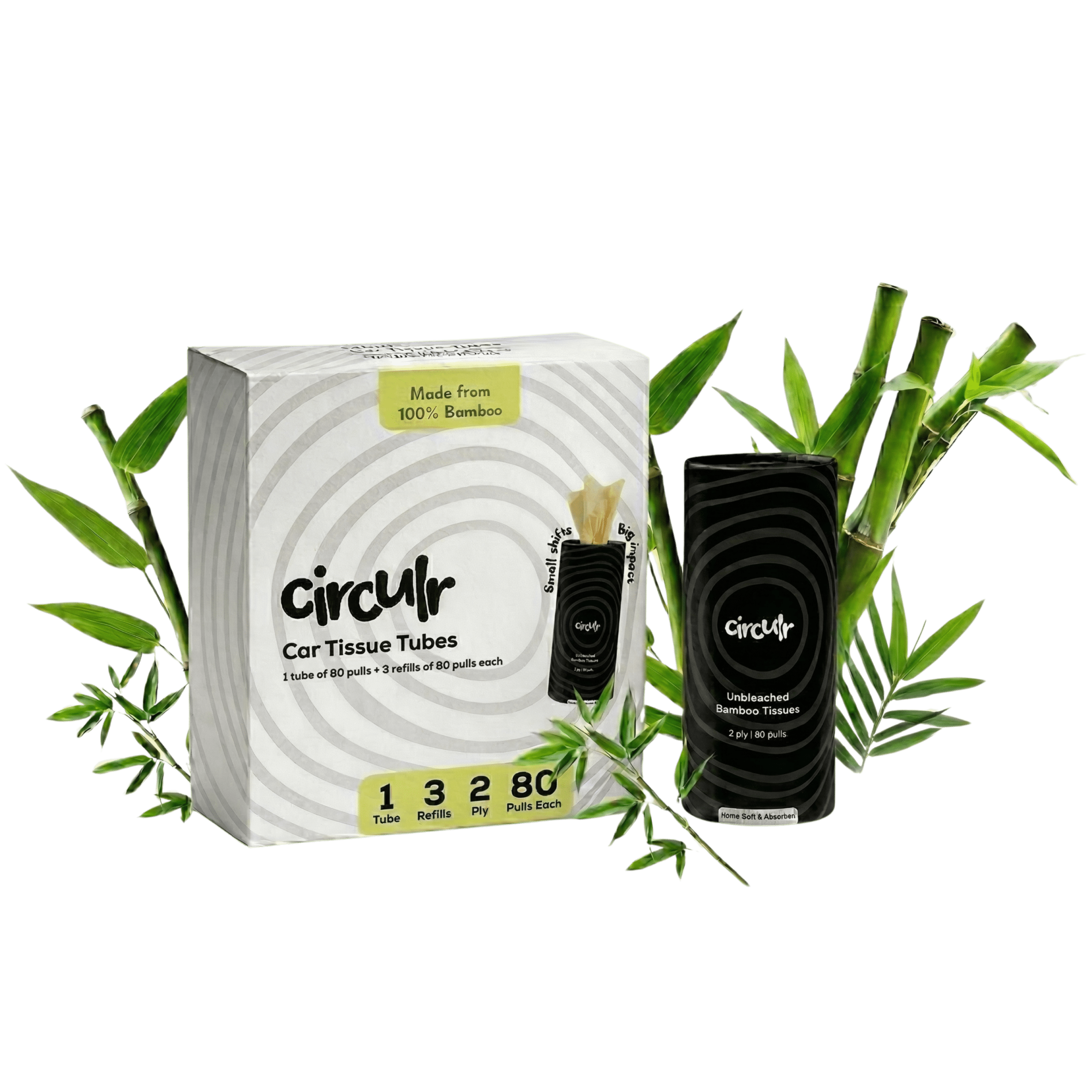
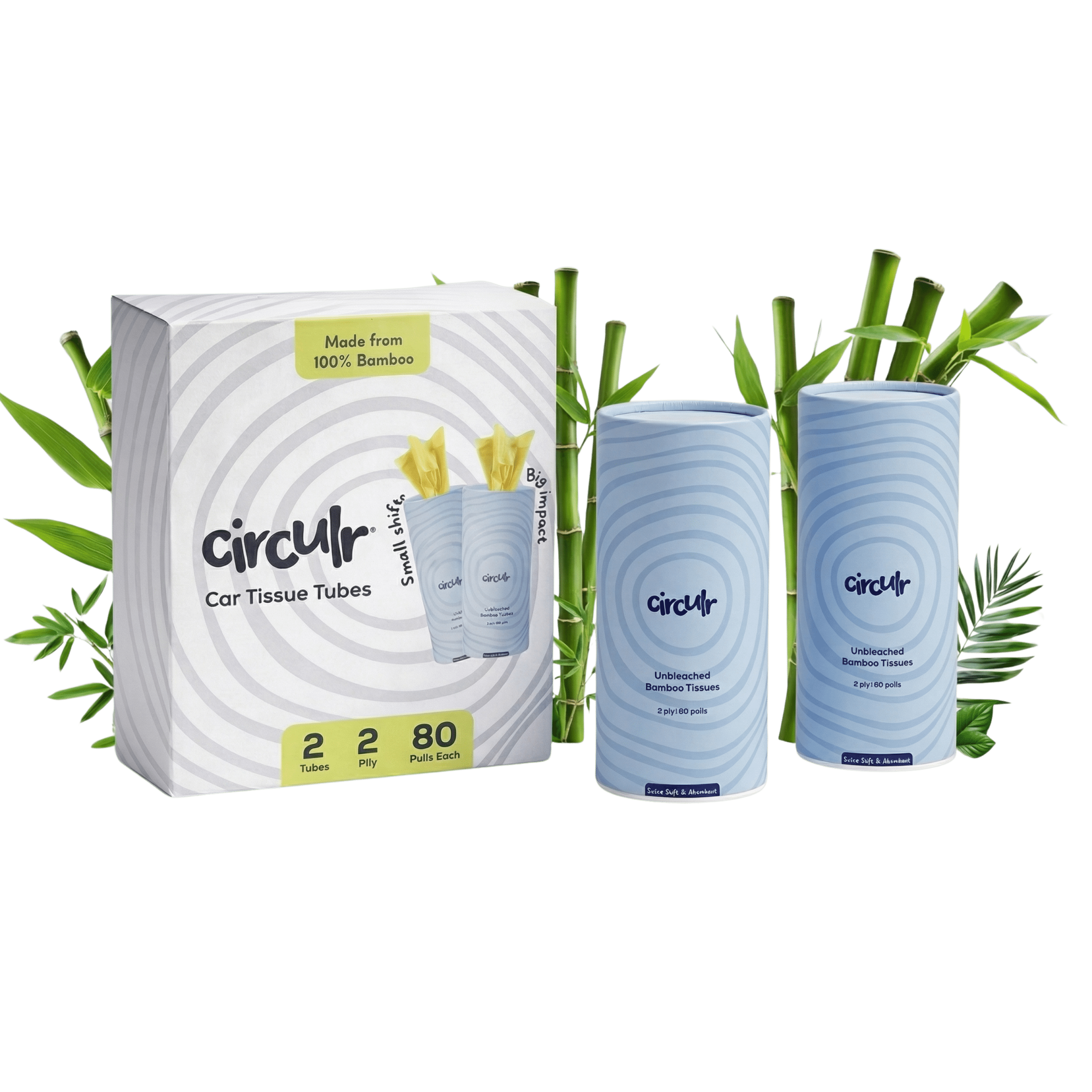
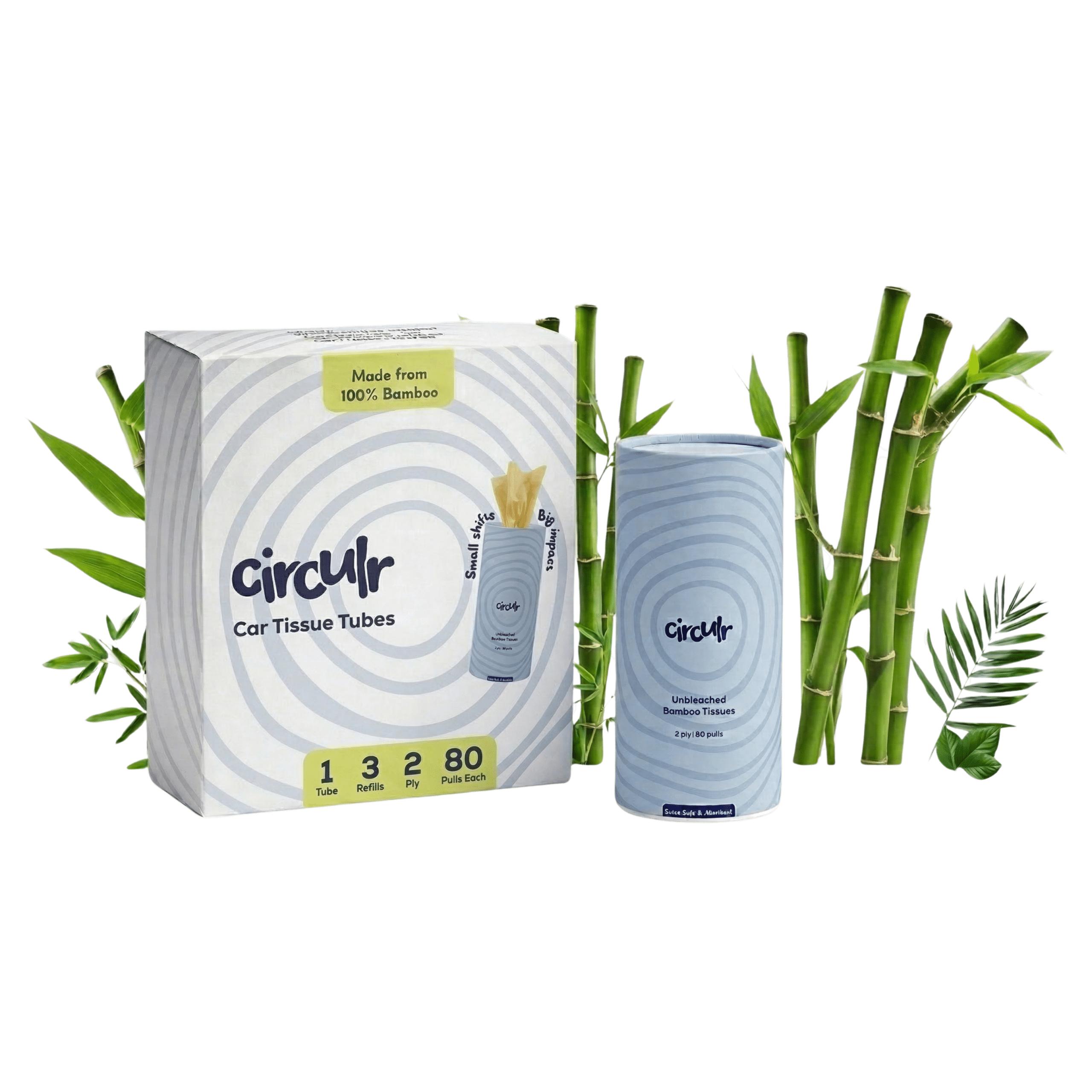
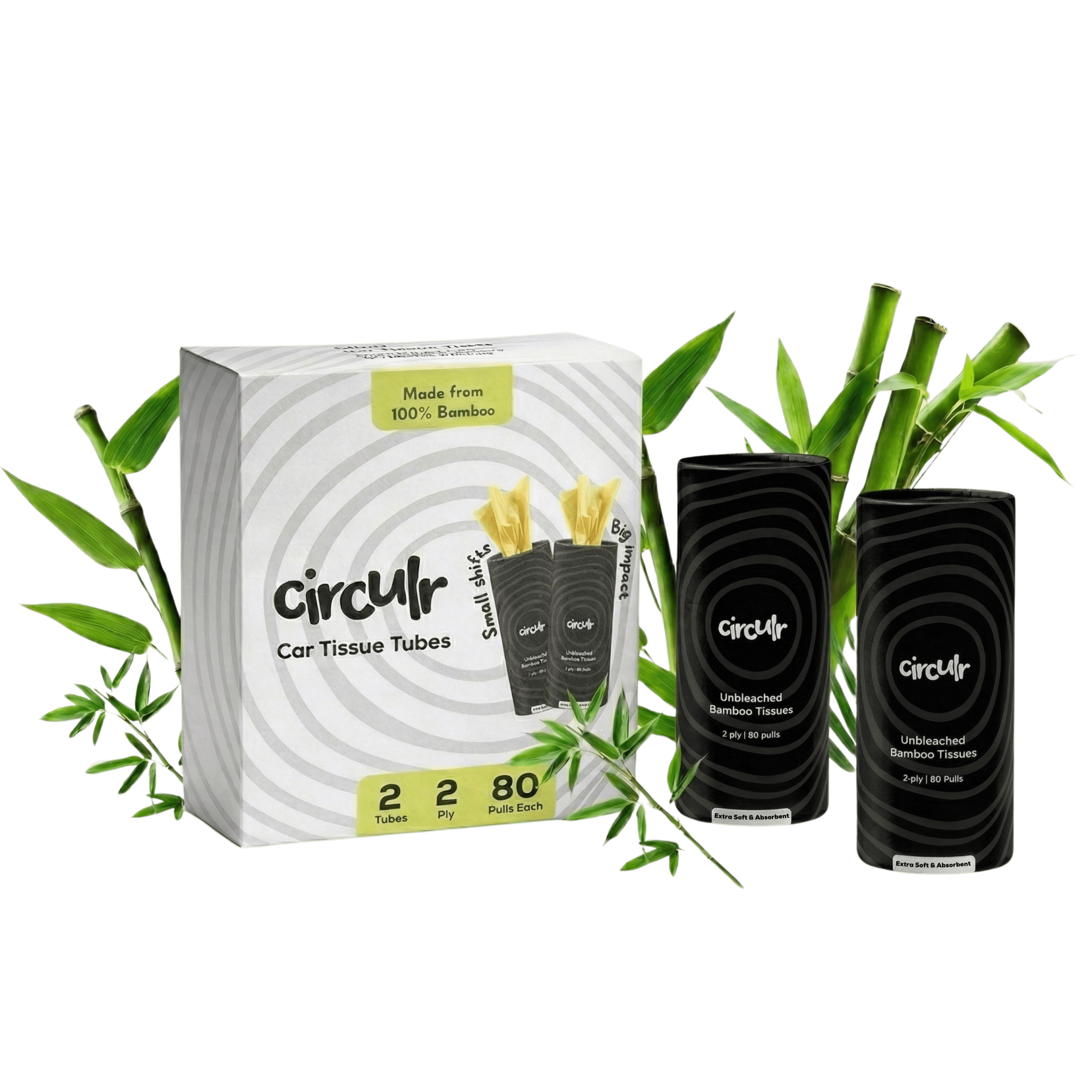
Brands like Circulr offer practical eco-friendly solutions.
A minimalist home naturally generates less waste. Combining it with eco-friendly products enhances this effect.
Ways to reduce waste:
These habits support sustainable living.
Minimalist homes are not empty. They are intentional and functional.
Benefits include:
Adding eco-friendly elements enhances comfort.
Conscious living means making thoughtful decisions in daily life. It goes beyond products and focuses on habits.
Ask yourself:
These questions guide better choices.
Simple products can transform your home.
Examples of eco friendly essentials:
These items support both minimalism and sustainability.
Living with fewer, better products also saves money.
Benefits include:
This makes the lifestyle practical and efficient.
You do not need to change everything at once. Focus on small steps.
Action plan:
Consistency builds lasting habits.
A minimalist lifestyle and sustainable living work together to create a balanced home. By choosing the right eco friendly essentials, you reduce waste and improve daily living.
Combining minimalism and sustainability supports conscious living and long-term well-being. Living with less and choosing better is the key to a cleaner, calmer, and more responsible future.