
Your cart is currently empty!.
You may check out all the available products and buy some in the shop.
Continue Shopping
We call things “disposable” and assume they simply disappear. But disposable products environmental impact actually lasts far longer than we imagine.
Understanding what happens after the bin changes how we think about everyday purchases — especially paper and plastic items we use once and toss.
The word suggests something ends quickly. In reality, most items just begin a much longer, hidden journey.
This gap between assumption and reality is central to understanding biodegradable vs compostable India distinctions.
These two words get used interchangeably, but they aren’t the same.
Biodegradable means something breaks down naturally over time. Compostable means it breaks down into nutrient-rich matter, usually faster and under specific conditions.
Knowing this difference helps you choose genuinely better products, not just ones with green packaging.
Most people don’t think much past their own dustbin. But what happens to household waste India generates is worth understanding.
Waste often travels to landfills, where lack of oxygen slows decomposition significantly. Some materials sit there for decades without breaking down properly.
This is especially true for single use product waste, which is designed for convenience, not longevity — yet often outlives its purpose by decades.
Since disposal systems aren’t perfect, the smarter move is choosing better products upfront. This is where sustainable alternatives to disposables matter most.
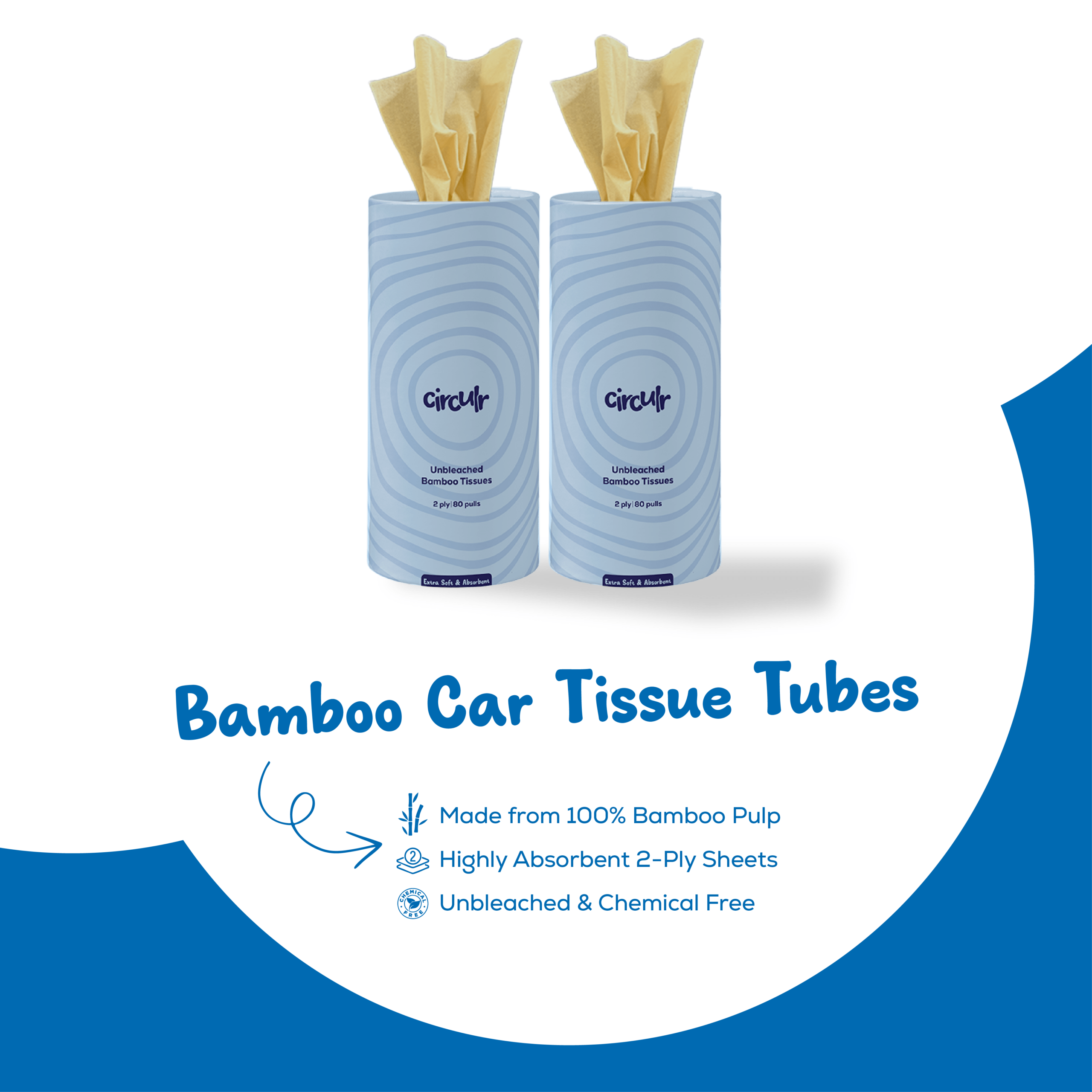
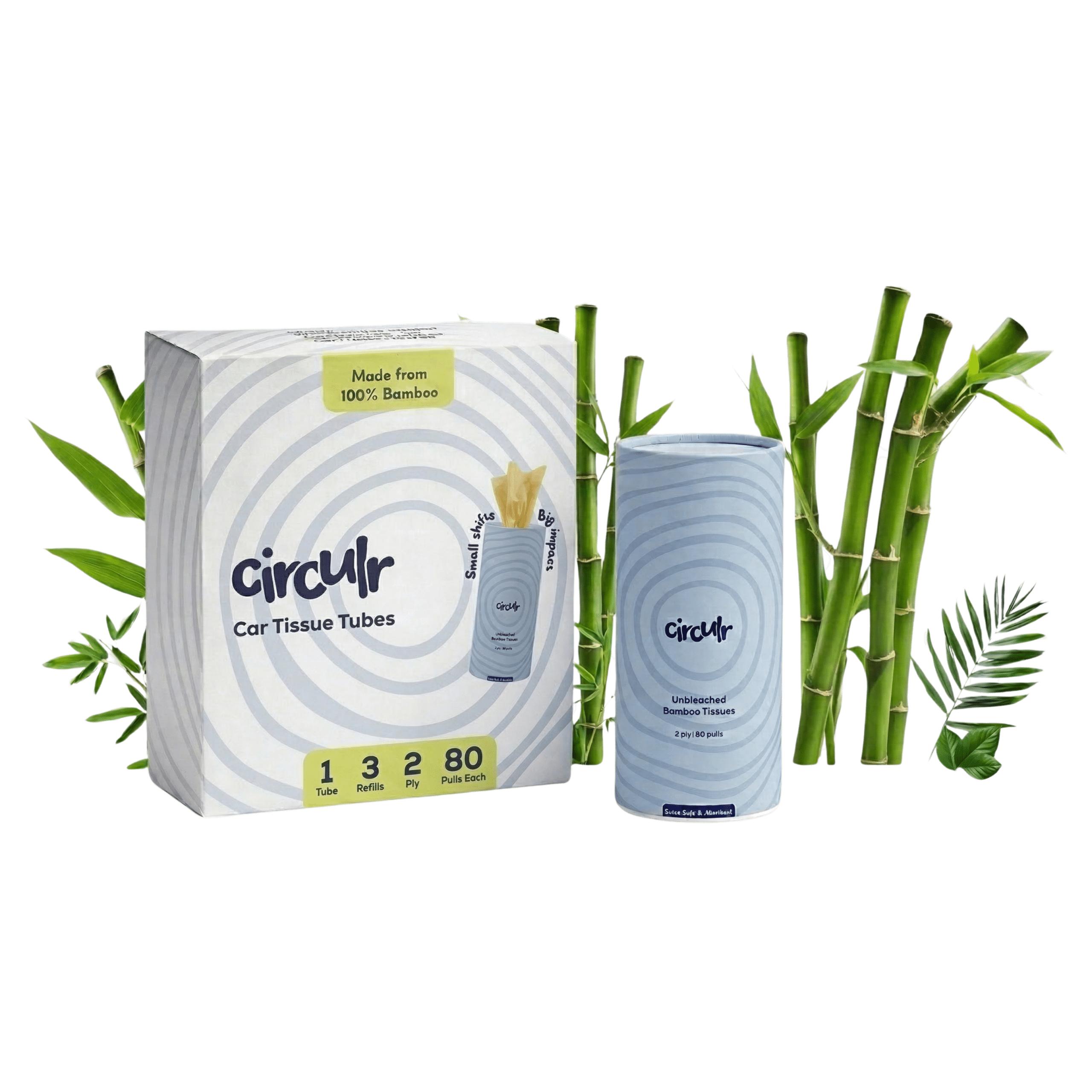
Bamboo-based items generally break down faster than tree-based paper, especially when chemical processing is minimal.
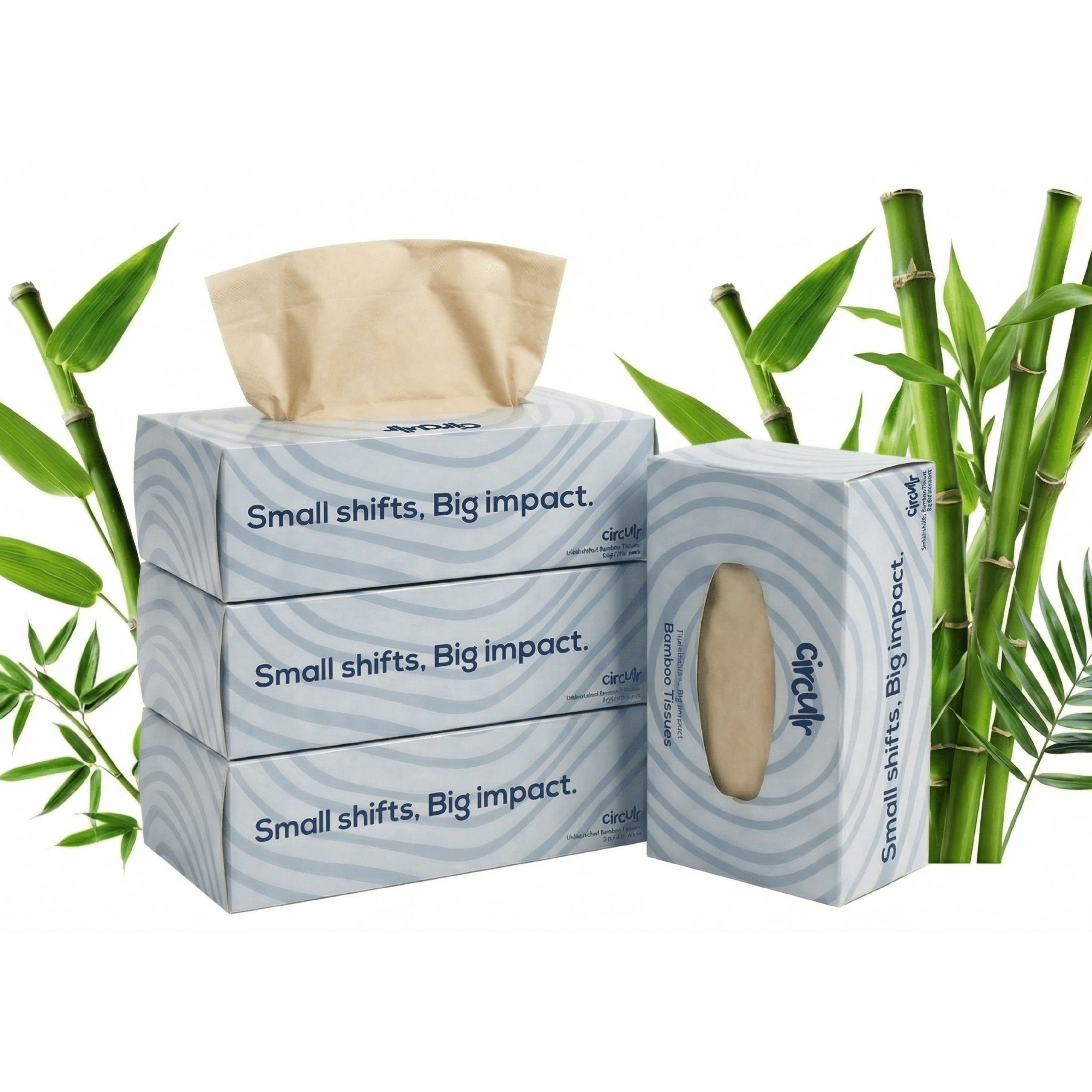
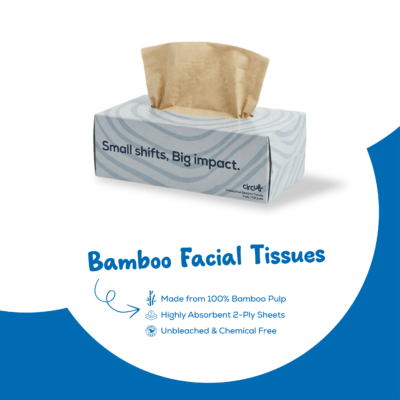
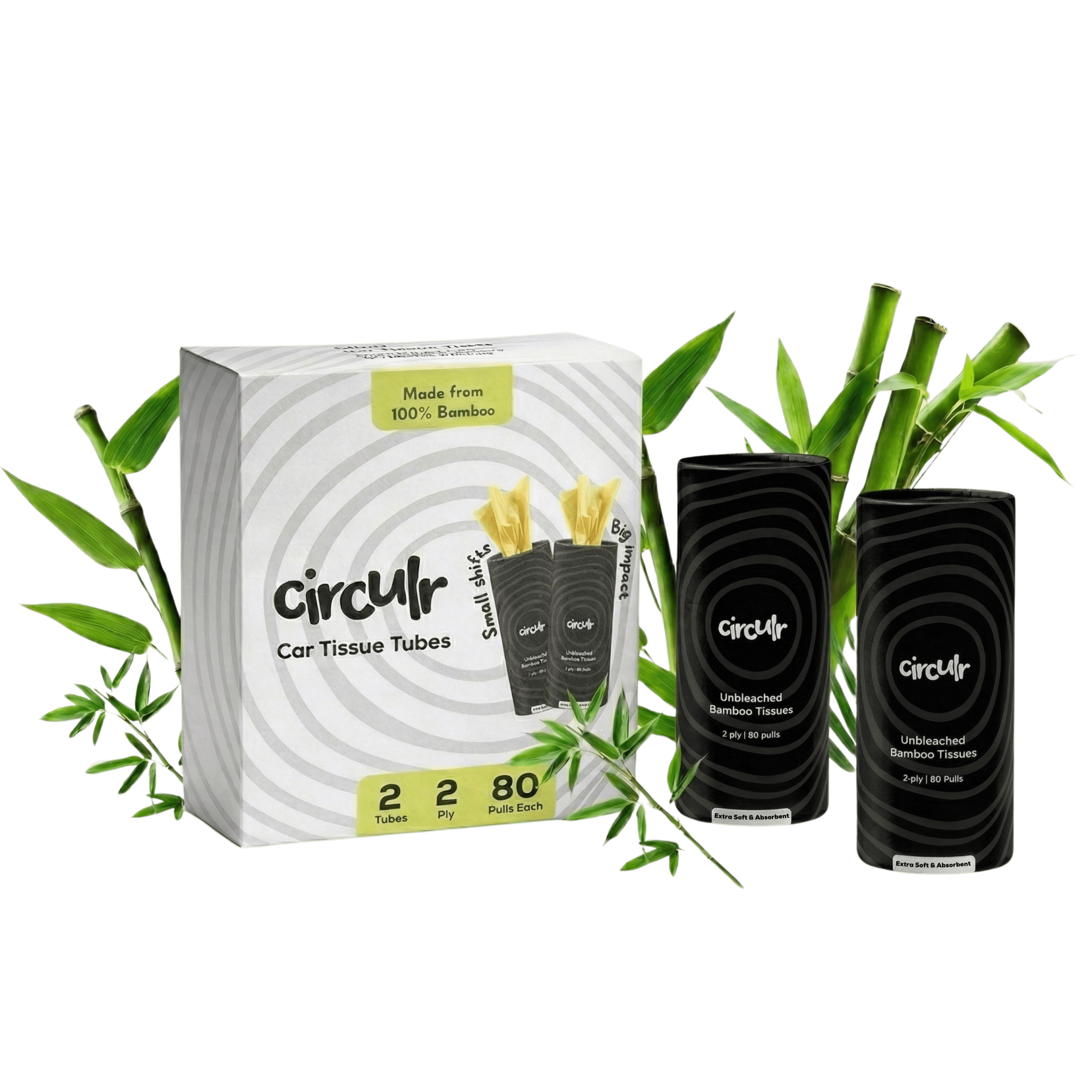
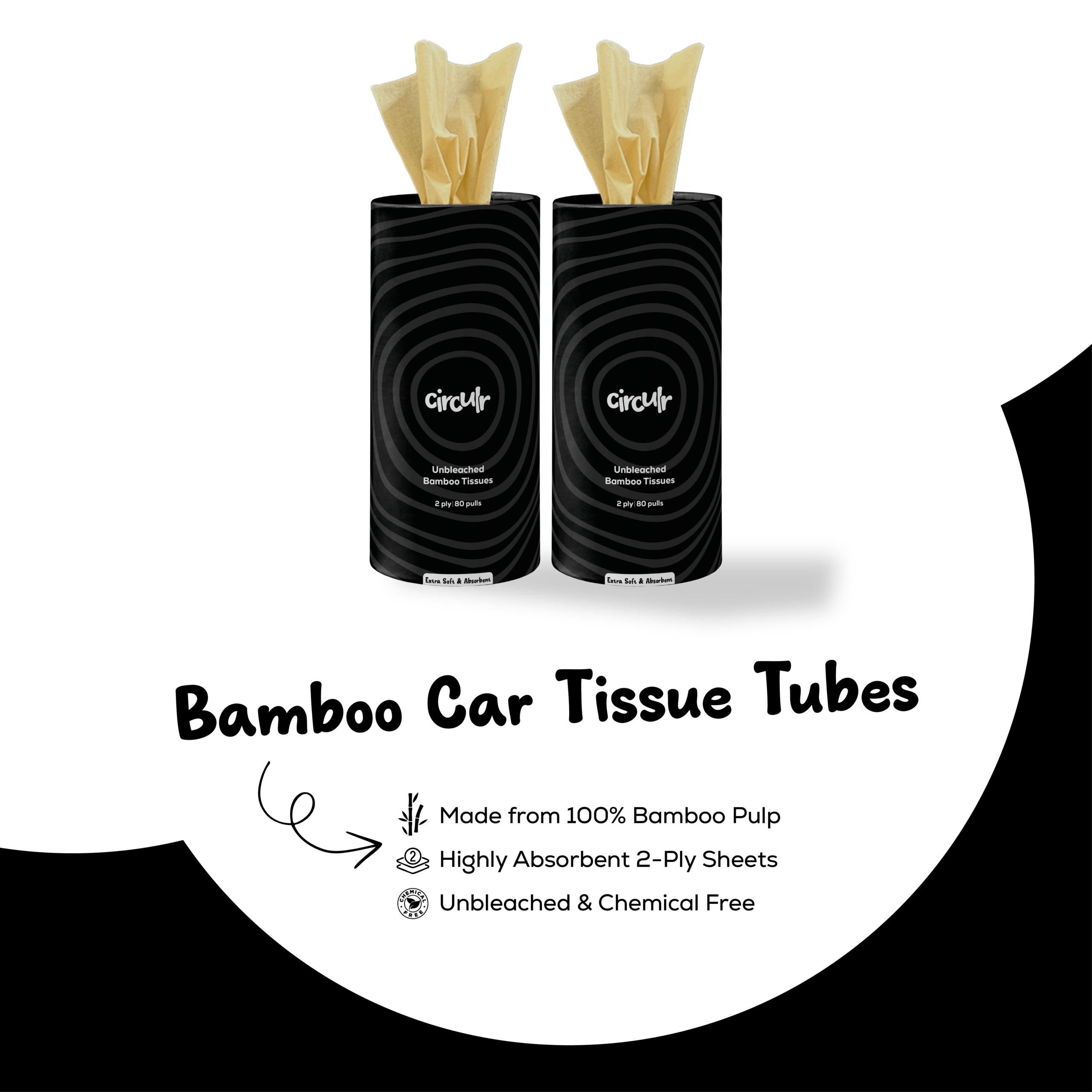
This makes eco friendly disposables India brands offer, like Circulr’s bamboo tissues and towels, a genuinely lower-impact choice after disposal too.
It seems logical that anything biodegradable would break down quickly once discarded. Landfill conditions often prevent that from happening.
This explains why even paper-based single use product waste can persist much longer than expected once buried.
Composting offers a faster, more controlled way to break down organic and plant-based waste, unlike typical landfill conditions.
Unlike landfill disposal, composting actively encourages the microbial activity needed for quick breakdown.
This is why biodegradable vs compostable India distinctions matter — composting genuinely accelerates what landfills often stall.
Understanding disposal realities should shape what we buy, not just how we throw things away.
This informed approach is central to choosing genuinely useful sustainable alternatives to disposables.
Knowing that something takes years to break down doesn’t automatically change buying habits. Real change usually requires easier alternatives being available.
Information helps, but convenience is often what actually drives lasting behavior change.
This is why accessible eco friendly disposables India options matter as much as public awareness campaigns.
Instead of blaming consumers for using disposable products, it helps to see single-use design itself as the core issue worth solving.
This reframing shifts focus toward better disposable products environmental impact solutions at the design stage, not just disposal.
Understanding a product’s full lifecycle — not just its use — helps build genuinely more thoughtful buying habits over time.
The bin isn’t the end of the story; it’s just the point where most of us stop paying attention.
Before purchasing everyday disposables, run through this quick checklist to make a more informed decision.
This checklist helps reduce disposable products environmental impact at the point of purchase, not just at disposal.
Does biodegradable mean it disappears quickly? Not always — conditions like oxygen and moisture affect breakdown speed significantly.
Are all “eco” labeled products actually better? Not necessarily. Look for clear sourcing and material information, not just marketing claims.
Does bamboo break down faster than regular paper? Generally yes, especially with lighter chemical processing involved.
There’s no real “away” when we throw something out. It just moves somewhere else, often for much longer than expected.
Circulr’s approach focuses on what happens after the bin, not just before it. Choosing better materials upfront is the simplest way to shorten that long, hidden afterlife.
Every purchase decision quietly shapes what happens weeks, months, or years down the line, long after the item leaves your home.