



Your cart is currently empty!.
You may check out all the available products and buy some in the shop.
Continue Shopping
A single tissue box seems too small to matter. But looking closely at carbon footprint household products India generates reveals a different story, one sheet at a time.
Breaking down the footprint of something as small as 100 tissue sheets offers a surprisingly clear window into everyday environmental impact.
Tissue paper is used so routinely that it rarely gets a second thought. Yet its production process mirrors that of many other household paper goods.
Understanding this chain helps clarify the broader bamboo tissue carbon footprint conversation beyond just one product.
Conventional tissue paper, made from tree pulp, carries a footprint shaped largely by slow tree regrowth and heavy processing.
Each stage — harvesting, pulping, bleaching, and manufacturing — adds incremental emissions that accumulate across the product’s lifecycle.
Bamboo’s faster growth cycle fundamentally shifts the carbon math involved in tissue production.
A plant that regenerates in a few years, rather than decades, requires far less land and time to replace what’s harvested.
This is central to why sustainable tissue paper India brands built around bamboo can claim a genuinely lower footprint.
It helps to think in concrete terms rather than abstract percentages. A hundred sheets represents roughly a week or two of typical household use.
This breakdown makes eco friendly paper products carbon savings feel tangible rather than abstract.
When measured across their full production cycle, the differences become measurable rather than just theoretical.
This comparison anchors most credible bamboo vs regular tissue environmental impact assessments available today.
A single box matters little on its own. But multiplied across a year of household tissue use, the impact becomes significant.
This scaling effect is exactly why reduce carbon footprint at home India strategies often start with frequently repurchased items like tissues.
Not every brand backs up sustainability claims with real data. Genuine transparency separates credible brands from vague marketing.
This scrutiny helps identify green home products carbon savings that are genuine, not just implied.
Understanding the footprint behind 100 sheets is only useful if it translates into action. The good news is that action here requires minimal effort.
Switching your household’s tissue supply to bamboo requires no lifestyle change — just a different box on the same shelf, restocked as usual.
Focusing on something as small as 100 sheets makes abstract sustainability concepts feel concrete and measurable, rather than overwhelming.
This approach makes carbon footprint household products India generates feel personally relevant, not just a distant statistical concern.
Once you understand the footprint behind a small, familiar quantity, you can apply similar thinking to other everyday paper products.
The same logic used for 100 tissue sheets applies equally well to a roll of toilet paper or a stack of napkins.
This transferable framework supports broader reduce carbon footprint at home India efforts across multiple product categories simultaneously.
Brands willing to break down impact at this granular level tend to build more credibility than those relying on vague, broad sustainability claims.
This detailed transparency is part of what separates genuinely credible bamboo paper sustainability facts from surface-level marketing language.
It might seem excessive to analyze something as small as a tissue box this closely. But understanding small units builds the foundation for understanding much larger patterns.
Once this kind of thinking becomes habitual, it naturally extends to evaluating other everyday purchases with the same clarity and confidence you now bring to a tissue box.
Does switching just tissues really make a difference? Yes, especially given how frequently they’re repurchased across a year.
Is bamboo’s carbon advantage genuinely significant? Yes, primarily due to faster growth and lower water requirements.
How can I verify a brand’s sustainability claims? Look for transparent sourcing details rather than vague eco-labels.
When people can visualize impact through concrete numbers rather than vague claims, they tend to make more informed, confident purchasing decisions.
This numbers-based approach to understanding carbon footprint household products India generates helps replace guesswork with genuine, grounded understanding.
A hundred sheets of tissue seem insignificant on their own. But they carry a clear, measurable story about resource use and environmental cost.
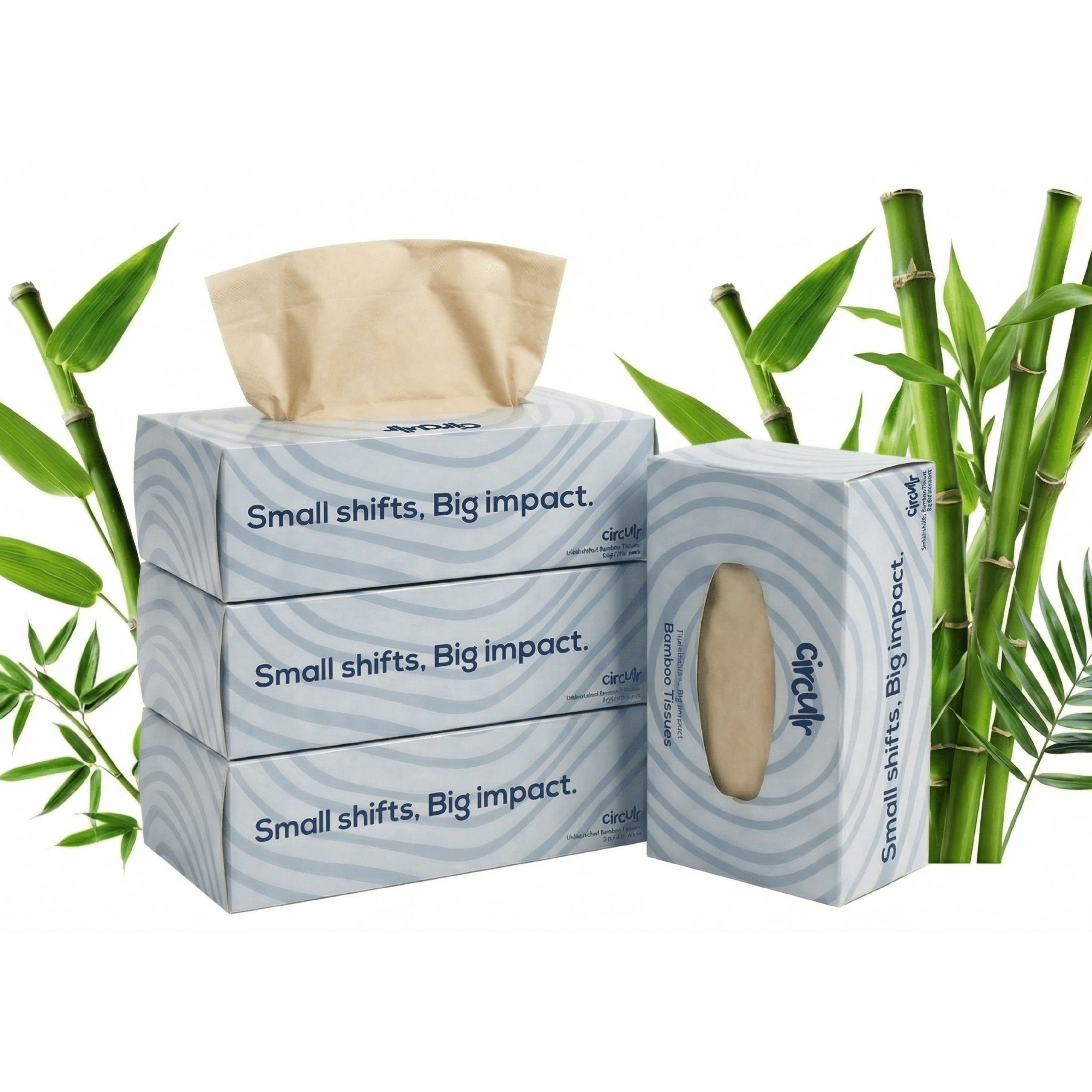
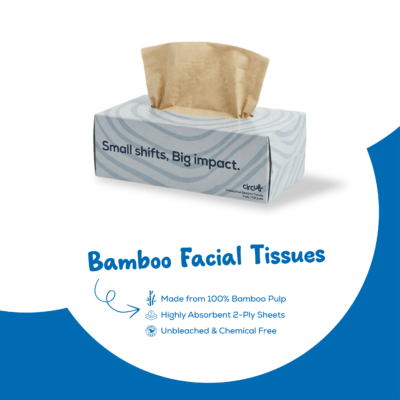
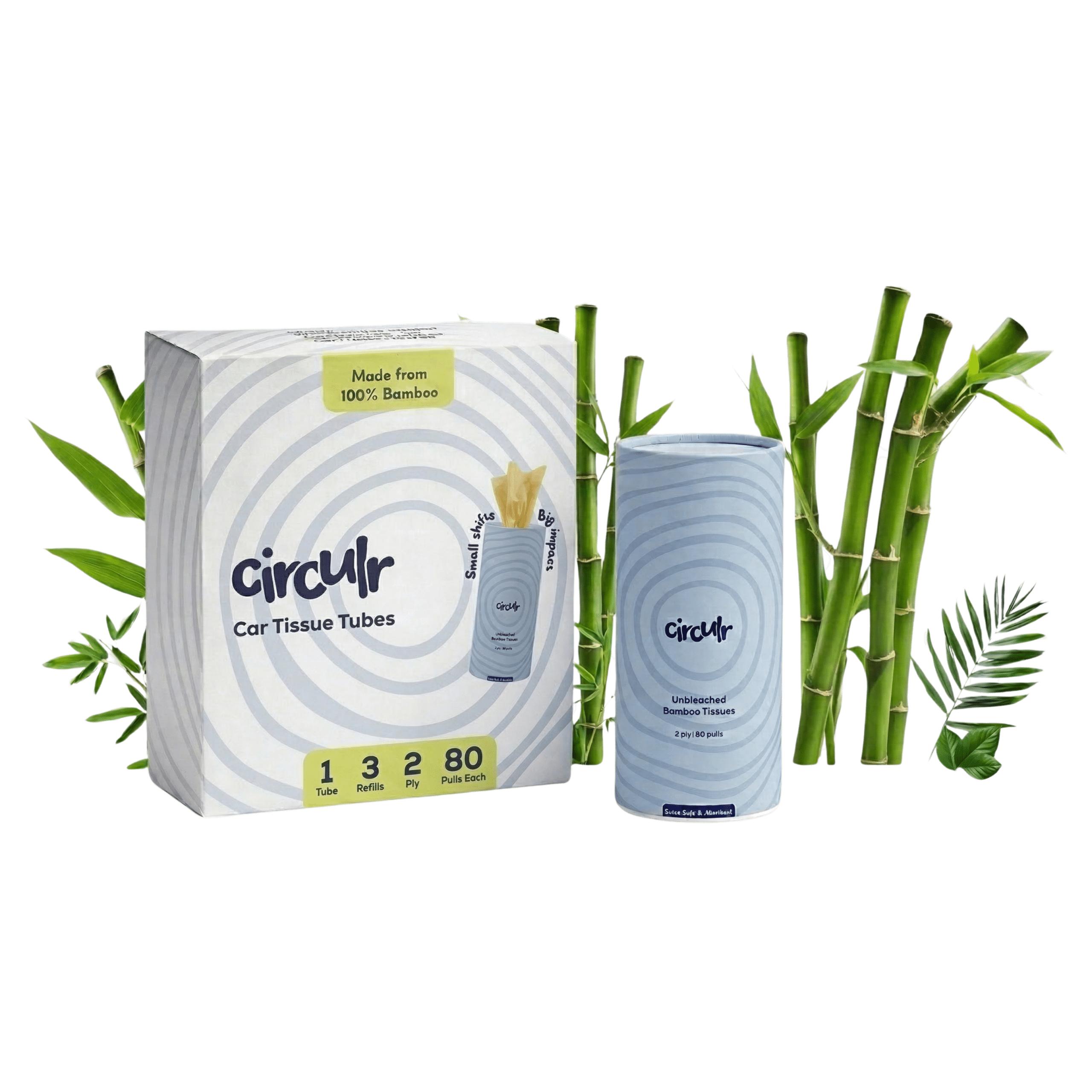
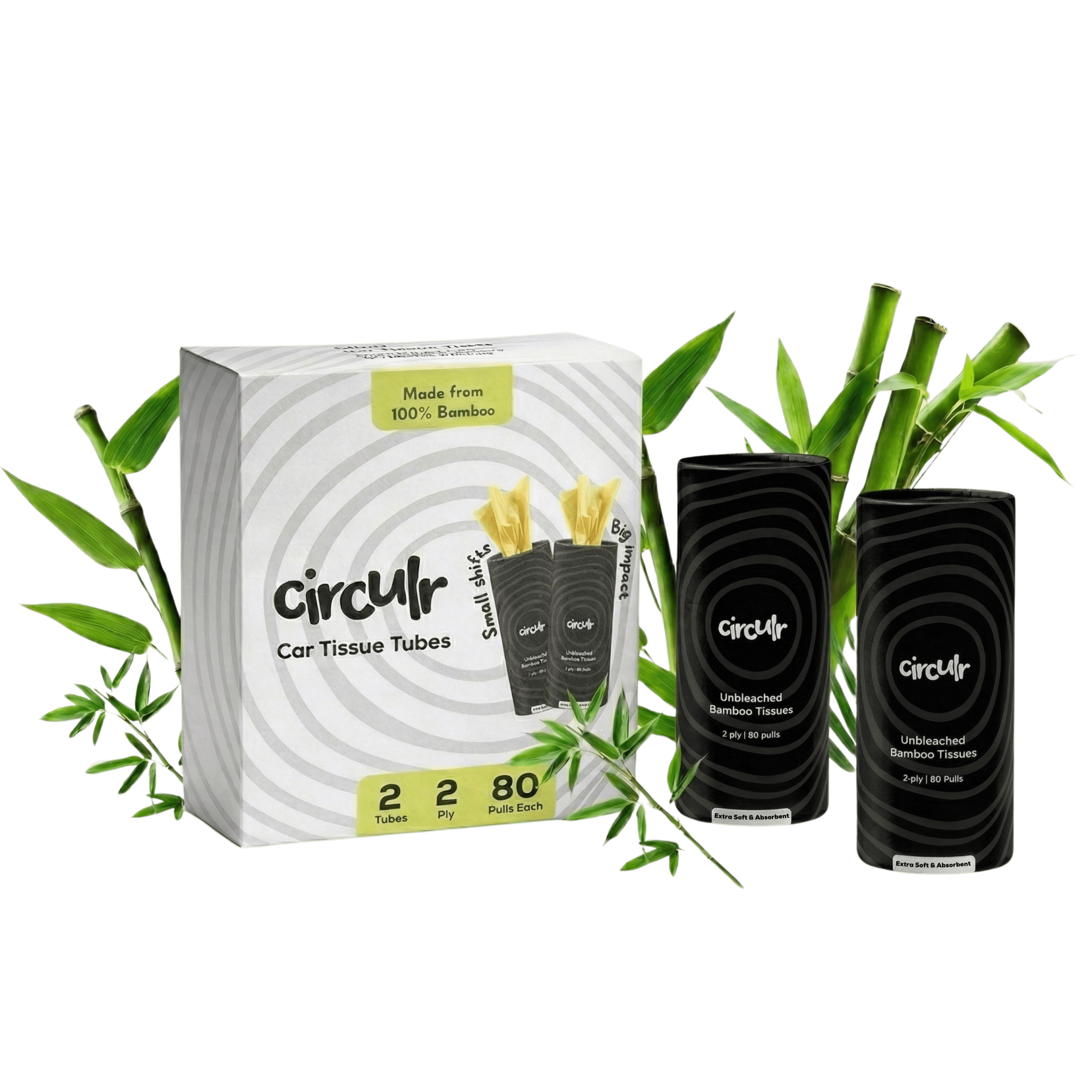
Circulr’s bamboo tissues are built around this understanding — genuine, verifiable bamboo paper sustainability facts, not just comforting claims.