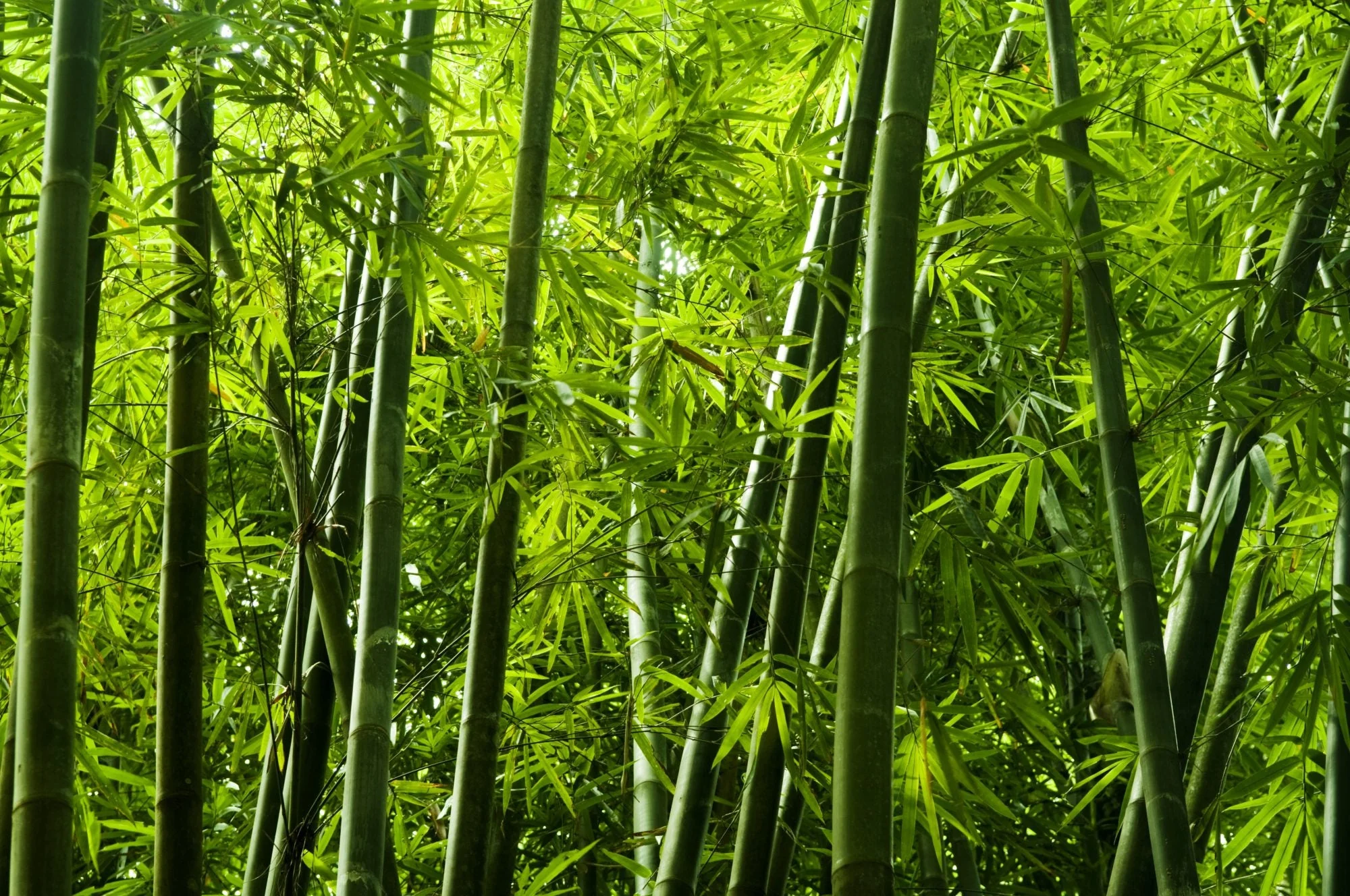
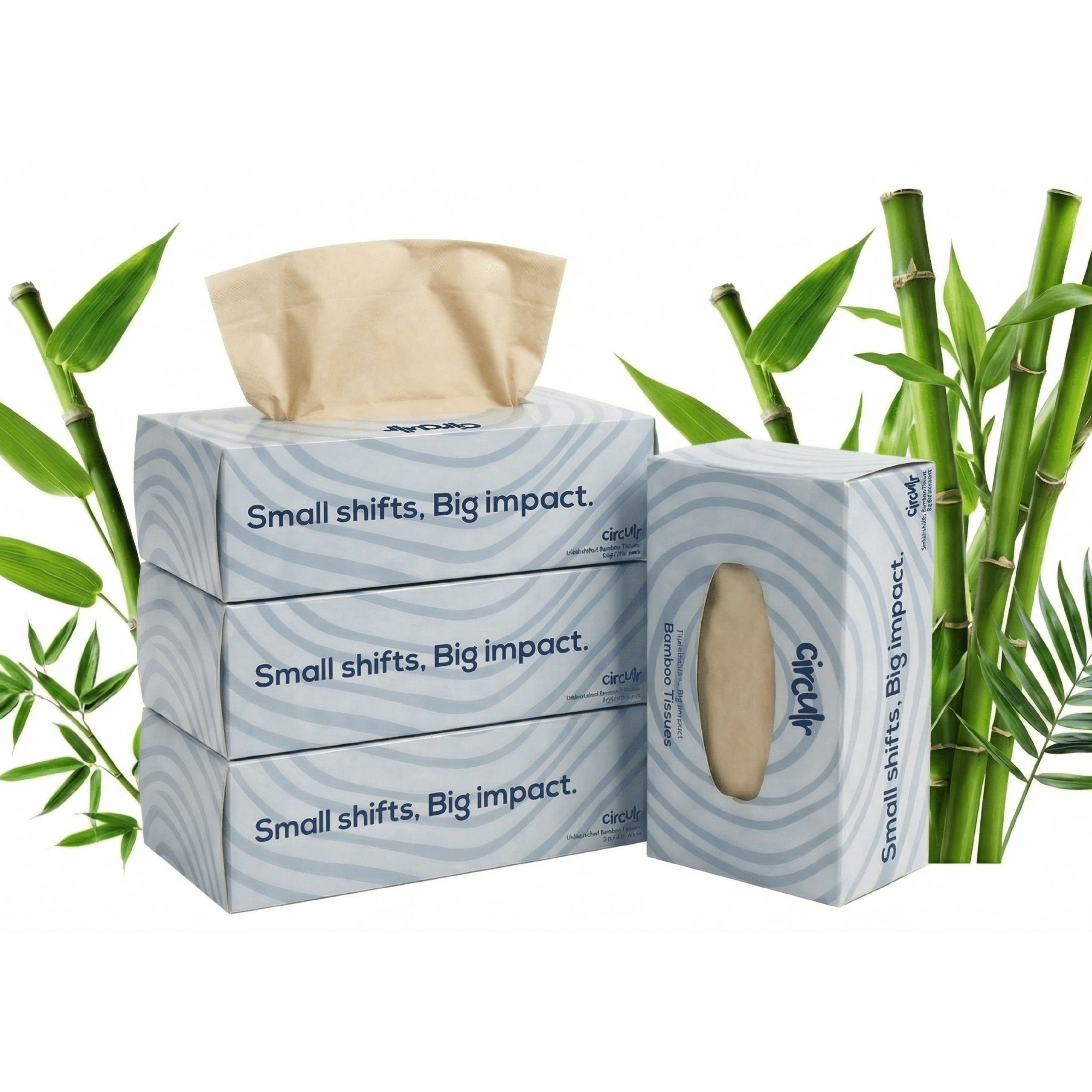
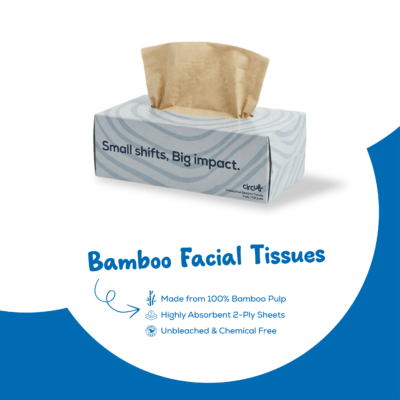
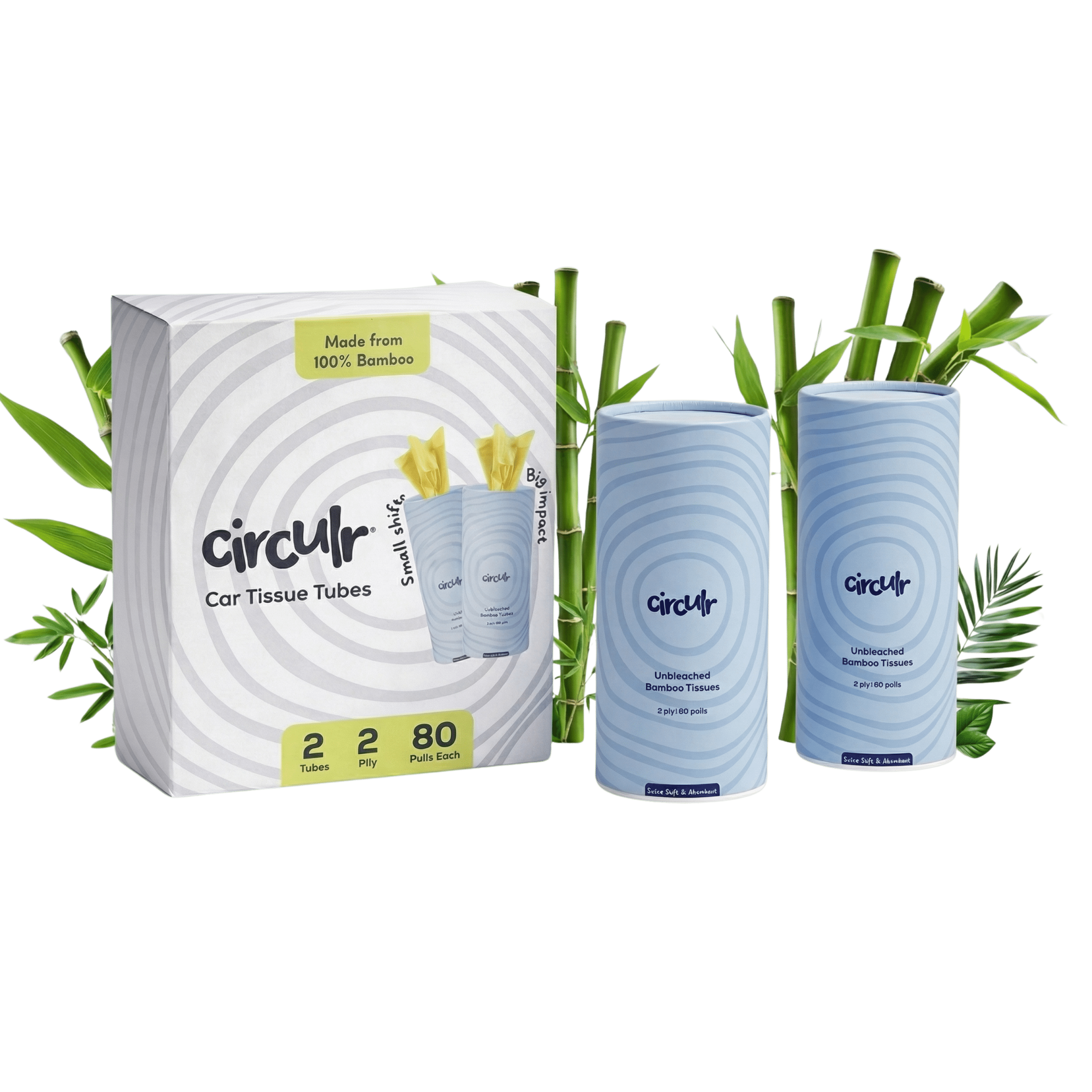
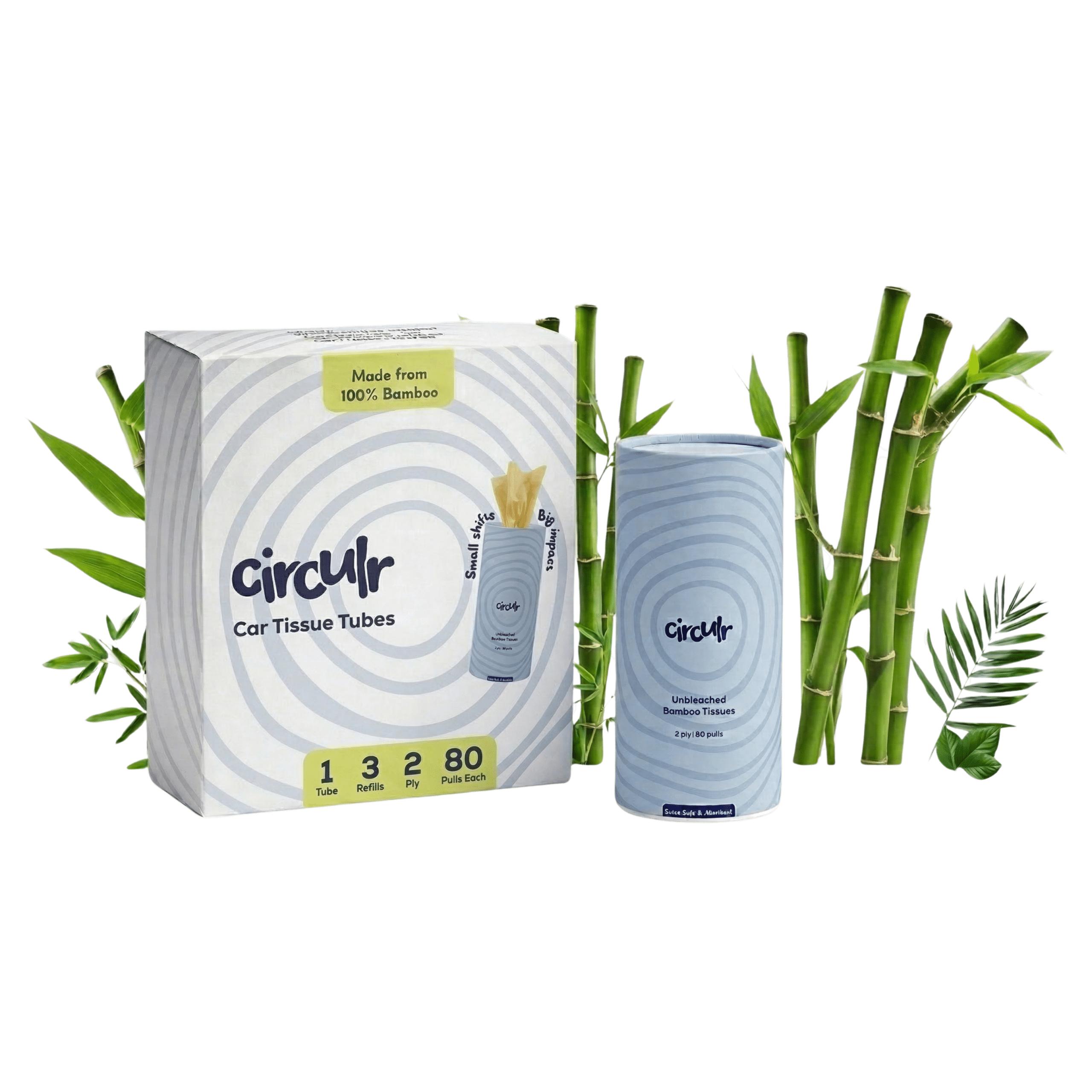
In the search for better materials, bamboo stands out. It is fast-growing, versatile, and environmentally friendly. Today, bamboo is being used in everything from construction to household products. This makes it one of the most valuable renewable bamboo resource options available.
Understanding bamboo sustainability helps explain why it is becoming a key solution for modern environmental challenges.
What Makes Bamboo A Renewable Resource?
A renewable resource is something that can regenerate naturally in a short period. Bamboo fits this definition perfectly.
Key features of bamboo:
- Rapid growth cycle
- Regenerates after harvesting
- Requires minimal replanting
- Grows in diverse climates
These qualities make bamboo a strong bamboo renewable material.
One Of The Fastest Growing Plants On Earth
Bamboo is known for its incredible growth speed. Some species can grow several feet in a single day.
Growth advantages include:
- Harvest-ready in 3–5 years
- Continuous regeneration
- High biomass production
- Year-round availability
This makes bamboo highly efficient compared to traditional resources.
Low Resource Requirement
Bamboo does not demand heavy inputs like other crops. It grows naturally with minimal human intervention.
Resource efficiency includes:
- Low water usage
- Minimal need for fertilizers
- Reduced pesticide dependency
- Adaptability to different soil conditions
These features support strong bamboo sustainability.
Environmental Benefits Of Bamboo
Bamboo Vs Traditional Materials
Versatility Across Industries
Supporting Sustainable Products
Reducing Plastic Dependency
Plastic pollution is a major environmental issue. Bamboo offers a natural alternative for many applications.
Switching to bamboo helps:
- Reduce single-use plastic
- Lower landfill waste
- Avoid microplastic pollution
- Promote biodegradable materials
This makes bamboo an effective replacement for plastic.
Economic And Social Benefits
Challenges And Future Potential
A Powerful Resource For A Sustainable Future