How to Dump Plastic Bags Without Dumping on the Planet
How to Teach Kids About Eco-Friendly Living at Home
Raising eco-conscious children is one of the most meaningful ways we can contribute to a healthier planet. Kids are naturally curious, eager to learn, and often more open to new habits than adults. By teaching them about sustainability at home, we can help them develop lifelong habits that protect the environment and improve their well-being.
The good news is that eco-friendly living doesn’t have to feel complicated or boring. With the right approach, it can become a fun and rewarding part of your family’s daily routine. In this blog, we’ll explore practical and engaging ways to teach kids about sustainable living at home.
Lead by Example
Children learn most effectively by watching the adults around them. If they see you making eco-friendly choices—like carrying a reusable bag, avoiding single-use plastics, or composting food waste—they’ll naturally want to copy your behavior.
You don’t need to lecture them every time you switch off a light or refill a water bottle. Instead, let your actions speak. Kids are more likely to form eco-friendly habits if they see them practiced consistently at home.
Start with Simple Habits
Eco-friendly living can seem overwhelming if introduced all at once. Instead, start small. Teach your kids everyday habits such as:
- Turning off lights and fans when leaving a room.
- Using a reusable bottle instead of disposable plastic ones.
- Sorting waste into recycling, compost, and trash.
- Using both sides of paper for schoolwork and crafts.
By mastering these small steps, children build confidence and understand that little actions add up to a big impact.
Make Learning Interactive
Kids respond best when learning feels like play. Instead of explaining sustainability in abstract terms, turn it into games and activities. For example:
- Recycling Game: Create bins with colorful labels and ask kids to sort items into the right bin.
- Composting Challenge: Encourage them to identify which food scraps can go into the compost.
- Eco Scavenger Hunt: Make a list of eco-friendly items (like cloth bags, bamboo toothbrushes, solar lamps) and let them find them around the house.
Interactive activities help kids understand concepts while keeping them entertained.
Teach Them About Nature
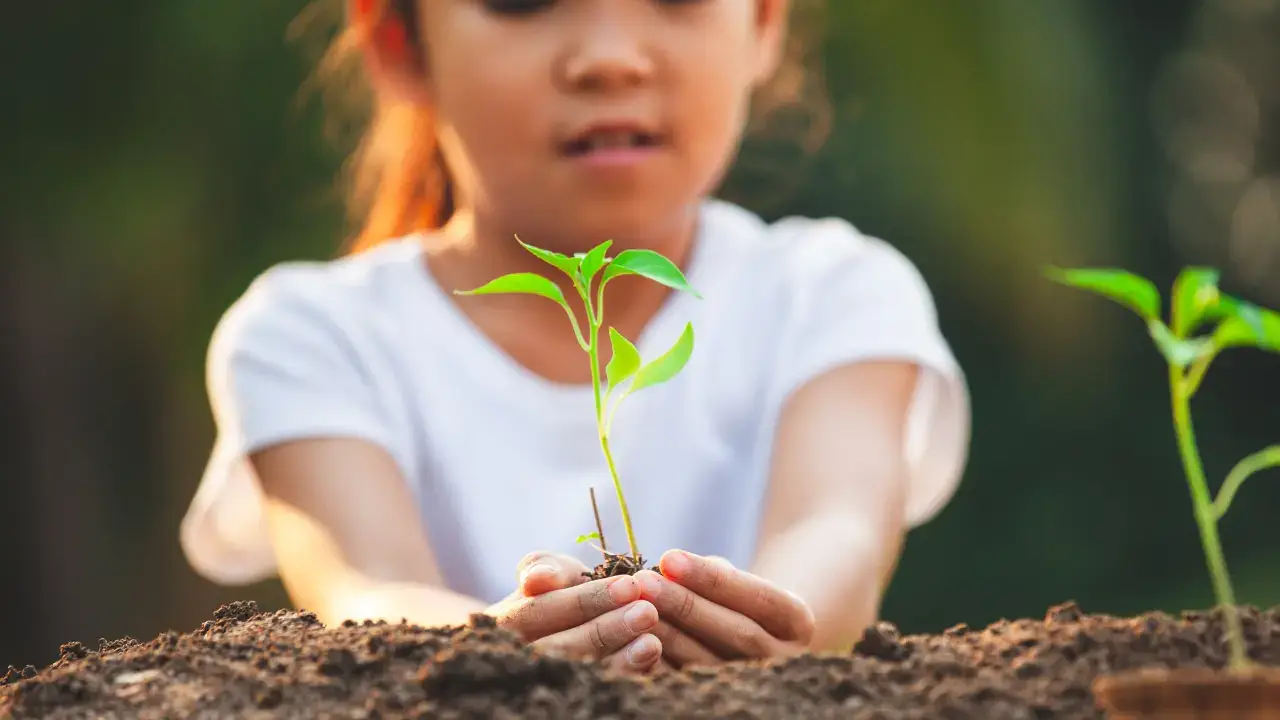
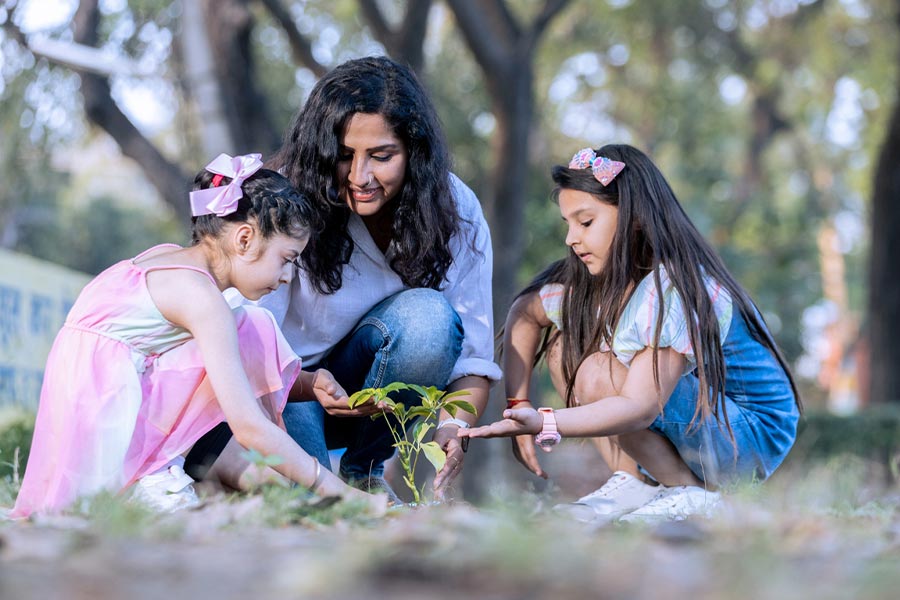
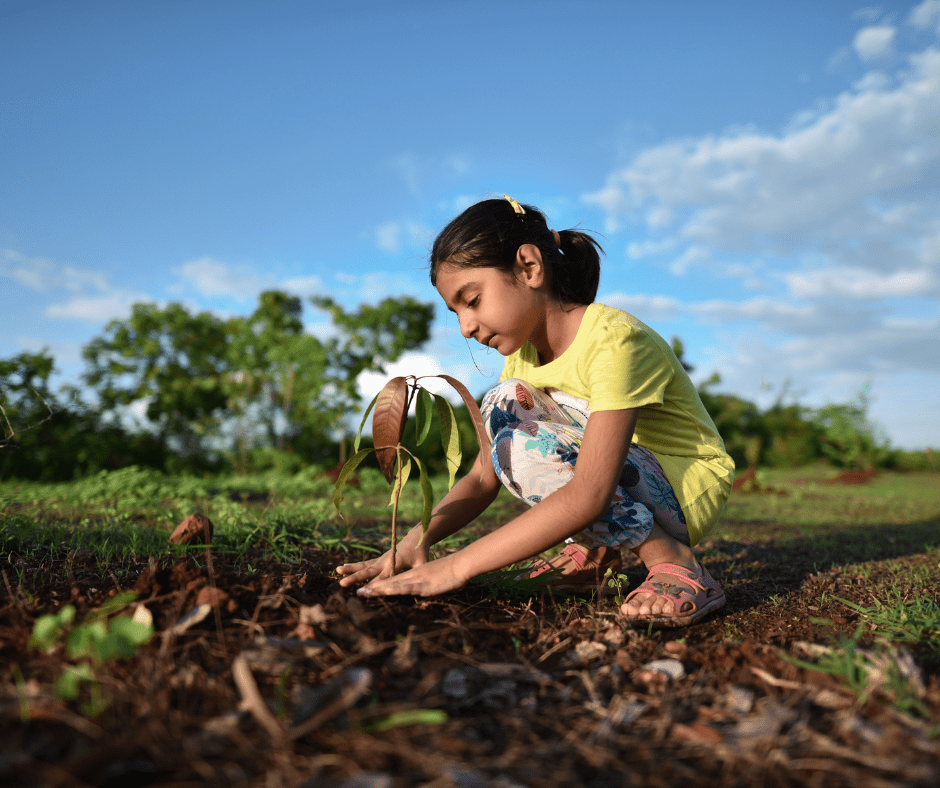
Eco-friendly living starts with appreciating the natural world. Spend time outdoors with your kids—gardening, planting trees, or simply observing birds and insects in the park. Explain how every creature has a role in keeping the environment balanced.
Even a small garden at home can be a great teaching tool. Kids can learn how plants grow, why soil and water are important, and how compost enriches the earth. Hands-on experiences make them feel connected to nature and motivated to protect it.
Introduce Eco-Friendly Alternatives
Children are quick to notice the products they use daily. Teach them why bamboo toothbrushes are better than plastic ones, or why compostable garbage bags are better for the planet. Explain in simple terms—like how bamboo grows quickly and doesn’t harm the earth.
This not only helps them understand sustainability but also makes them proud to use eco-friendly products. When kids feel ownership, they’re more likely to stick with green habits.
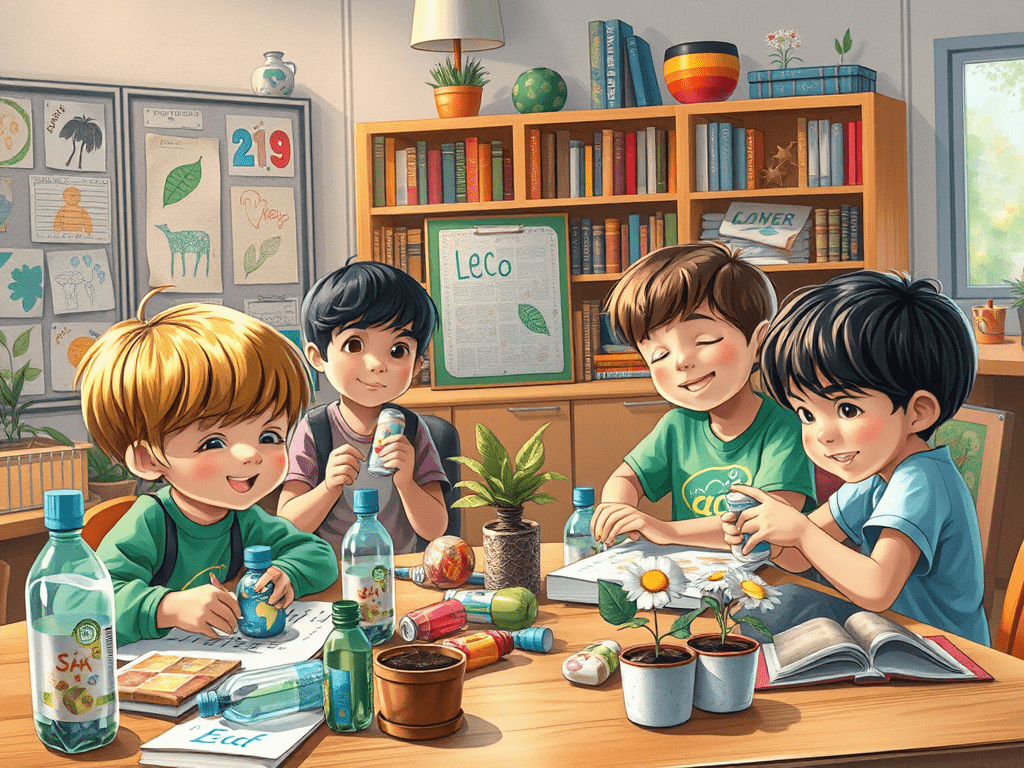
Reduce, Reuse, and Recycle Through Crafts
Instead of throwing away old jars, cardboard, or fabric scraps, turn them into creative projects. For example:
- Use old glass jars as storage containers.
- Create toys or art from cardboard boxes.
- Transform old T-shirts into reusable shopping bags.
Crafting with recycled items teaches kids the value of reusing materials while sparking creativity. It also reduces waste and makes sustainability fun.
Teach the Value of Saving Resources
Children often don’t realize the impact of wasting water, electricity, or food. Show them how small changes can make a difference:
- Turn off taps while brushing teeth.
- Collect rainwater for plants.
- Serve smaller food portions to avoid waste.
You can even track your family’s efforts—like how many liters of water were saved in a week. Kids love seeing numbers and achievements, which motivates them further.
Encourage Eco-Friendly Reading and Media
Books, cartoons, and educational videos about the environment can spark curiosity. Choose age-appropriate resources that explain climate change, recycling, and sustainability in simple, engaging ways. Many children’s books now focus on protecting nature, making it easier to introduce these concepts.
Celebrate Green Efforts
Positive reinforcement is key to building habits. Celebrate your kids’ eco-friendly actions, whether it’s remembering to switch off lights or helping with composting. Rewards don’t have to be material—simple praise, extra playtime, or choosing a fun outdoor activity works just as well.
Make Eco-Friendly Living a Family Goal
Sustainability should feel like a team effort rather than a chore. Set family goals, like reducing plastic waste for a month or planting a new tree every season. Working together makes kids feel like their actions matter and creates a shared sense of responsibility.
Conclusion
Teaching kids about eco-friendly living at home is one of the best gifts you can give them—and the planet. By starting small, making it fun, and involving the whole family, you help them build lifelong habits of sustainability.
From recycling games and nature walks to bamboo alternatives and zero-waste crafts, these practices not only reduce your household’s environmental footprint but also raise a generation of thoughtful, responsible individuals.
After all, sustainable living isn’t just about protecting the earth—it’s about ensuring a healthier, happier future for our children.