




Your cart is currently empty!.
You may check out all the available products and buy some in the shop.
Continue Shopping
Renting limits what you can change. You cannot install solar panels. You cannot rebuild the kitchen. Still, a sustainable rented apartment is very possible, and it need not be costly.
The secret is to focus on things you buy, not things you build. Those travel with you when you move.
Renters often think they are stuck. In truth, you have one big advantage. Your changes are flexible and low-risk.
You can start today and stop whenever you like.
Look at what you restock every month. These items are your best targets.
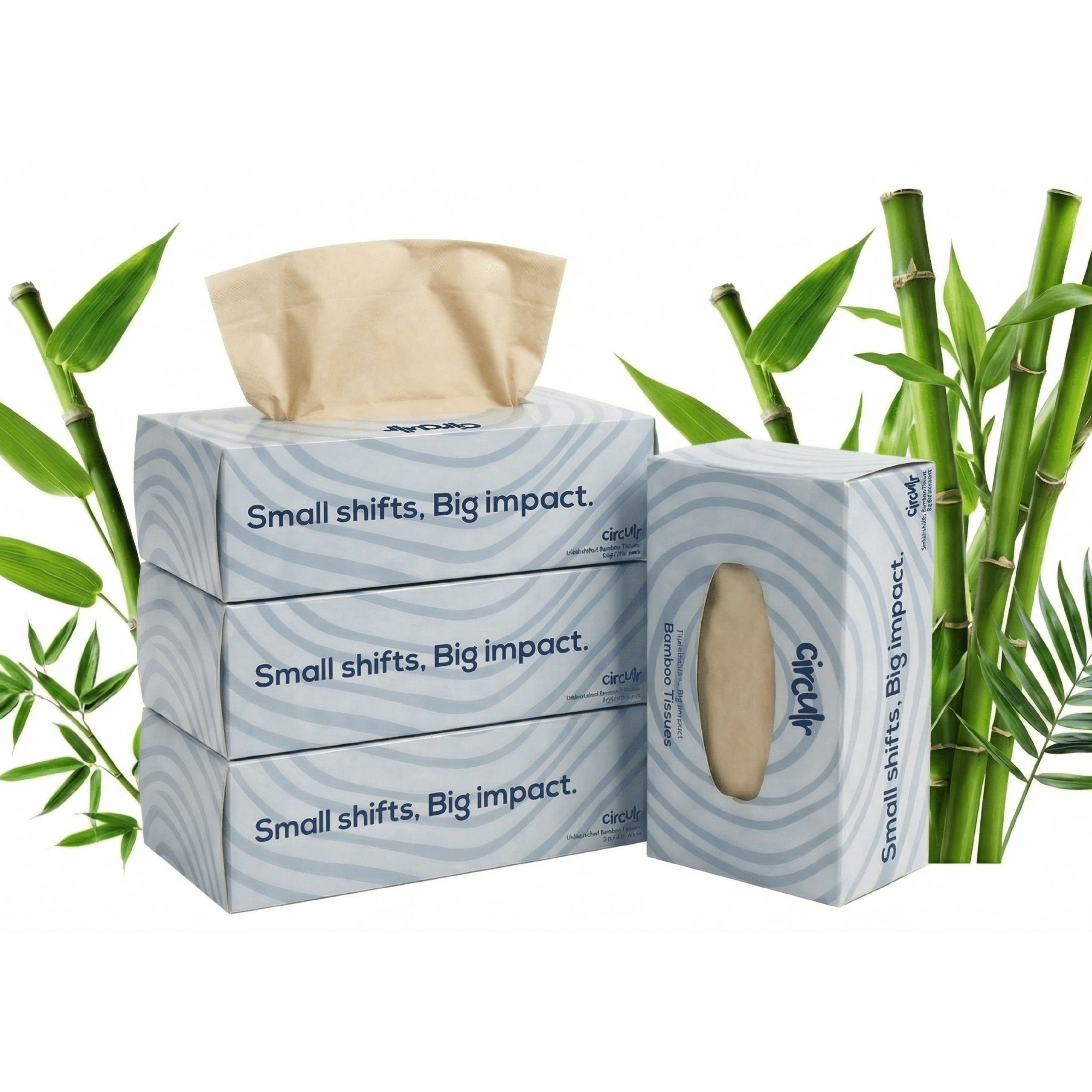
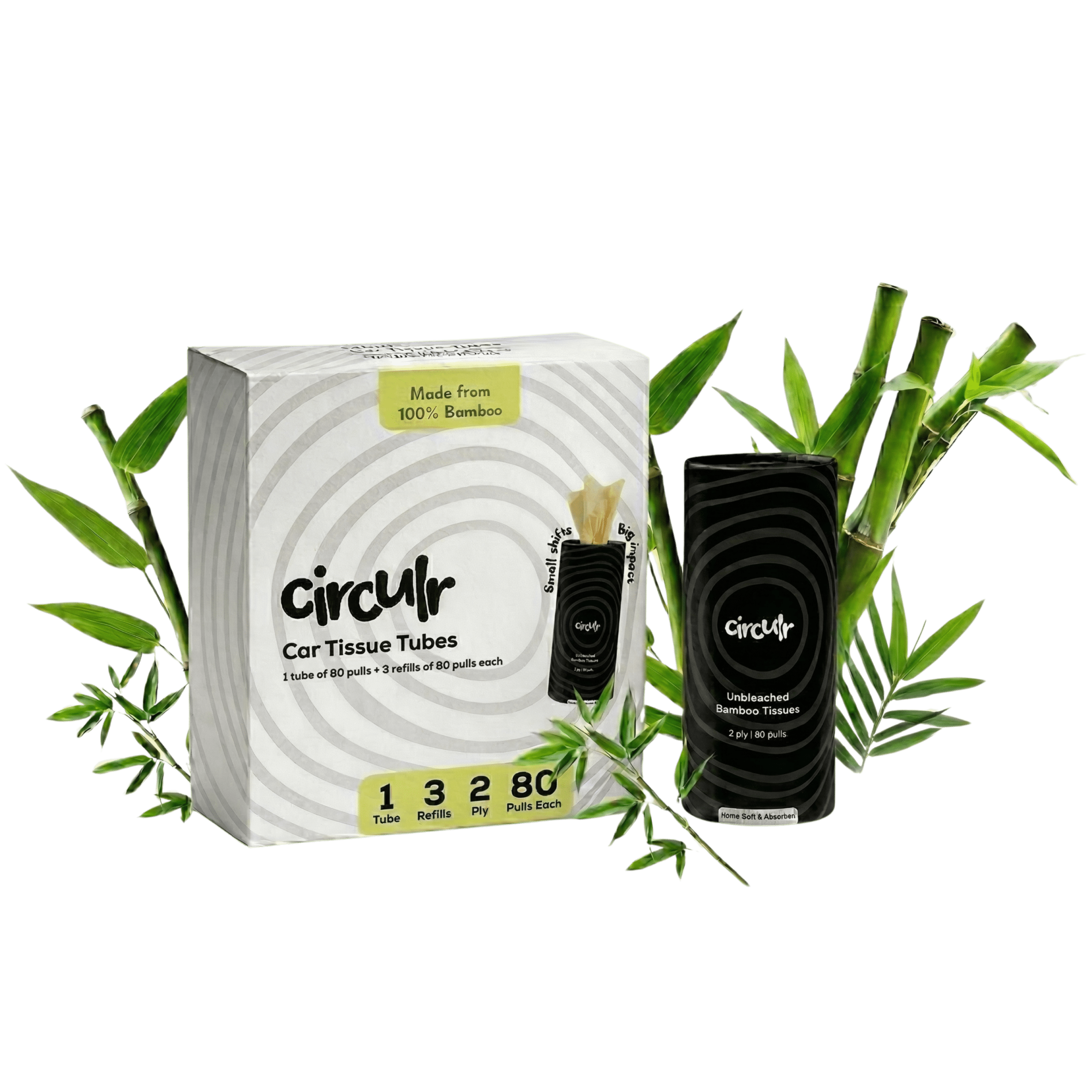
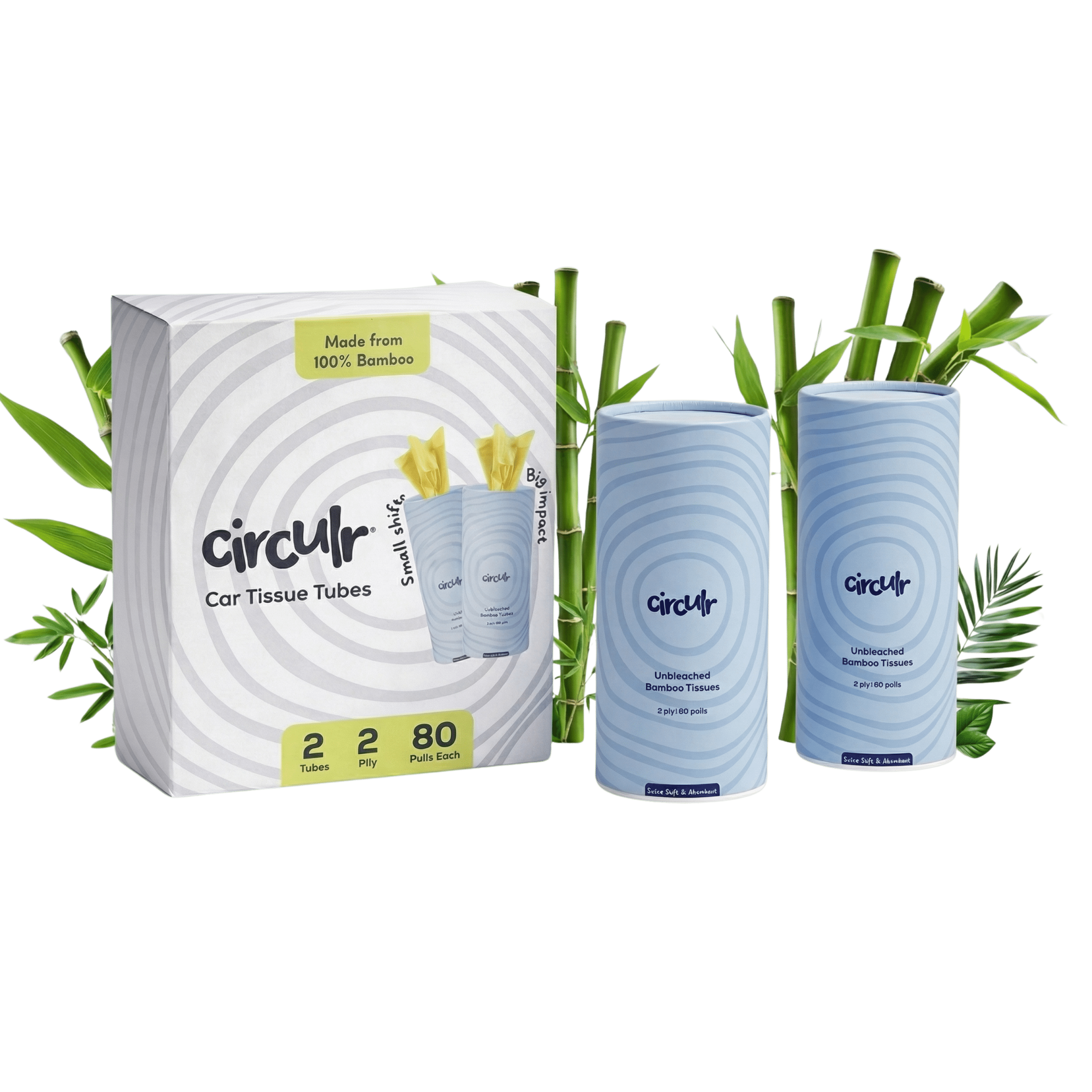
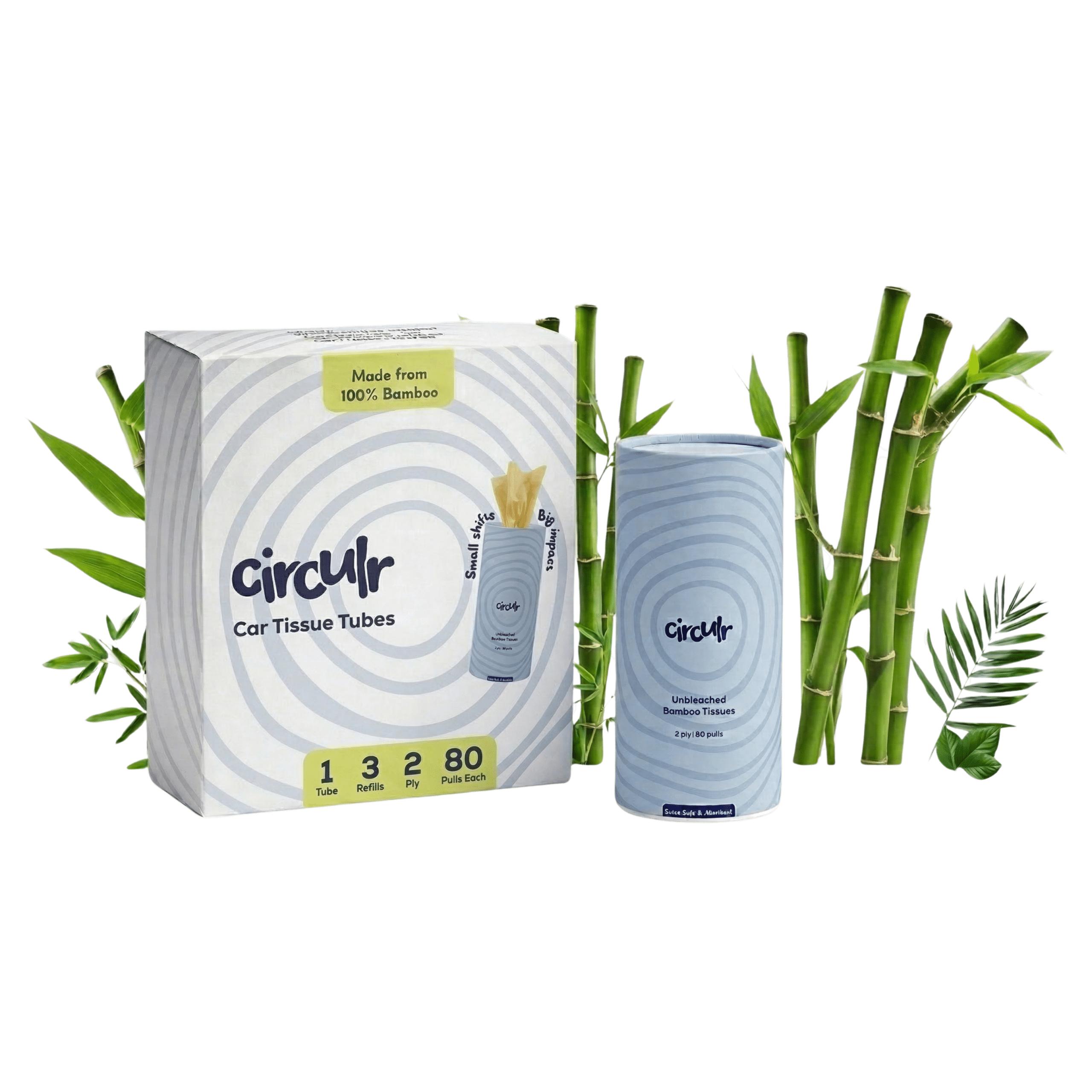
Swapping these to bamboo costs about the same as normal brands. You are not adding to your budget. You are redirecting it.
You do not need a large fund. Set aside a small amount each month for swaps. Replace one thing when it runs out.
Replace, do not add. That single rule keeps costs close to zero.
Never throw away something you can still use. Finish your old stock first.
Kitchens create the most everyday waste in many rented flats. A few small habits help a lot.
These habits cost nothing at all.
You cannot change the wiring. But you can change how you use power.
Lower bills are a nice bonus.
Plants make a rented home feel warmer. Many hardy plants are cheap and easy.
Choose plants that suit your light. Reuse old jars and tins as pots. You do not need to buy anything new.
Before buying new furniture, look around. Friends, neighbors and local markets often have good items.
Every used item is one less new item made.
Renters move often. Sustainable habits make moving lighter.
Fewer objects means fewer boxes. Reusable items go with you. A simple, low-waste home is easy to pack and easy to set up again.
Is bamboo more costly than regular paper? Often it is close in price, especially when bought in bulk.
Do I need my landlord’s permission? No, product swaps and habits need no permission.
What is the easiest first step? Replace your next roll or box with a bamboo one.
A written list keeps your plan clear. Draw two columns on a page. On the left, write what you use now. On the right, write a sustainable alternative.
Tick each line as you complete it. It feels satisfying and keeps you moving.
If you share your home, agree on a few simple rules. Keep it light and friendly.
Shared habits work better than solo effort.
Many landlords are happy to help with small, safe improvements. Ask politely about things like better bin placement or a spot for composting. Do not drill or modify anything without permission.
A friendly question costs nothing, and a helpful answer may save you money.
Sustainable habits often save money. Refillable bottles cost less than buying bottled water. Switching off lights lowers your bill.
Write down what you spend before and after. Seeing real numbers keeps you motivated. You may be pleasantly surprised.
The greenest item is the one you already own. Before buying anything, look around your flat.
Creative reuse costs nothing. It also keeps useful items out of the bin.
Cheap items often break quickly. Then you buy them again. A slightly better item that lasts years usually costs less in the end.
Buy fewer things, and buy them well.
This habit also makes moving easier, since you carry fewer boxes.
You do not need to finish in a month. Spread your plan across a few months.
Slow progress is still progress.
You do not need to own a home to live sustainably. You only need to choose better each time you restock.
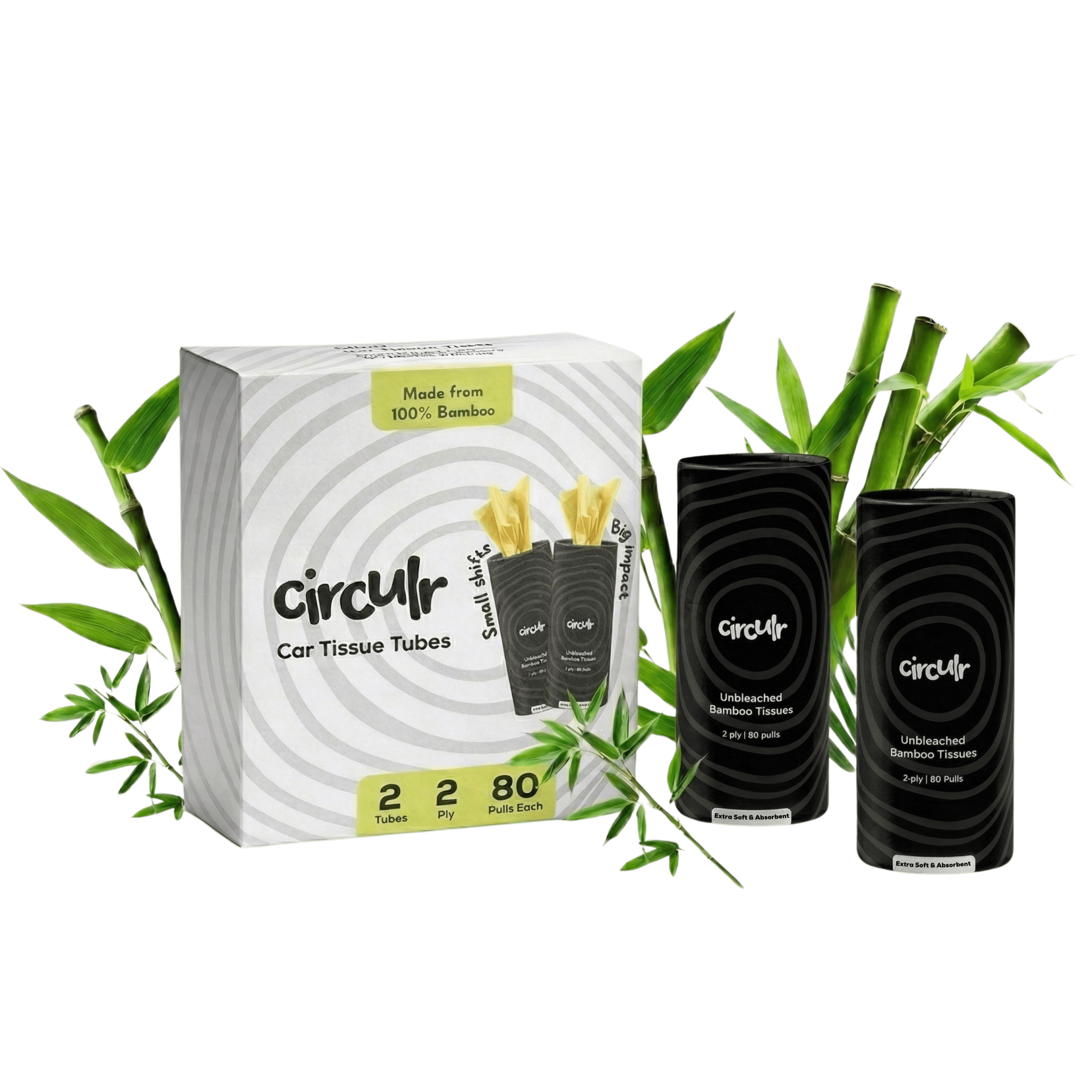
Circulr’s bamboo toilet paper, tissues, kitchen towels and napkins suit renters well. They need no installation and cost about what you already spend. Start with one product and build from there.